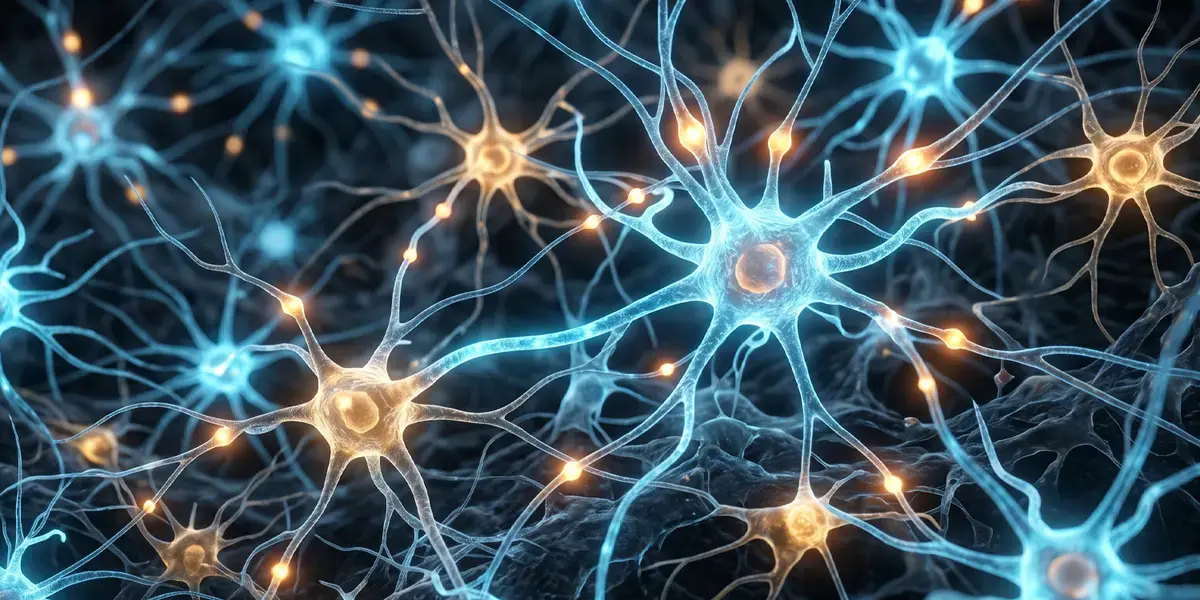
Uncovering Dopamine's Role in Brain Development
Researchers have made a groundbreaking discovery in a recent laboratory study using mice, shedding light on fetal brain development. The study focused on dopamine receptors and their role in guiding new brain cells to their final destinations.
The assembly of a healthy brain requires new cells to travel long distances. Dopamine, a neurotransmitter often associated with reward, plays a crucial role in this process. In the study, scientists found that dopamine receptors on stationary support cells act as guides for migrating brain cells.
How Do Dopamine Receptors Influence Brain Cell Migration?
The researchers discovered that dopamine receptors on support cells help direct the migration of new brain cells. This process is essential for building a healthy brain. By understanding how dopamine receptors function, scientists can gain insights into brain development and potential disorders.
The study's findings suggest that dopamine is not just a reward-related neurotransmitter, but a vital signaling tool used to construct the fetal brain. The researchers used laboratory mice to investigate the role of dopamine receptors in brain cell migration.
The dopamine receptors on support cells act as traffic signalsto guide migrating brain cells to their correct final destinations. This complex process involves the coordinated effort of multiple cell types and signaling pathways.
Frequently Asked Questions
The discovery has significant implications for understanding brain development and related disorders. Further research is needed to fully elucidate the mechanisms underlying dopamine receptor function in brain cell migration.
What is the role of dopamine in brain development? Dopamine is a signaling tool used to build the fetal brain, guiding new brain cells to their final destinations. How do dopamine receptors influence brain cell migration? Dopamine receptors on support cells act as guides, directing migrating brain cells to their correct locations. What are the potential implications of this discovery? The findings could lead to a better understanding of brain development and related disorders, potentially informing new treatments.