The decline in refugee admissions was influenced
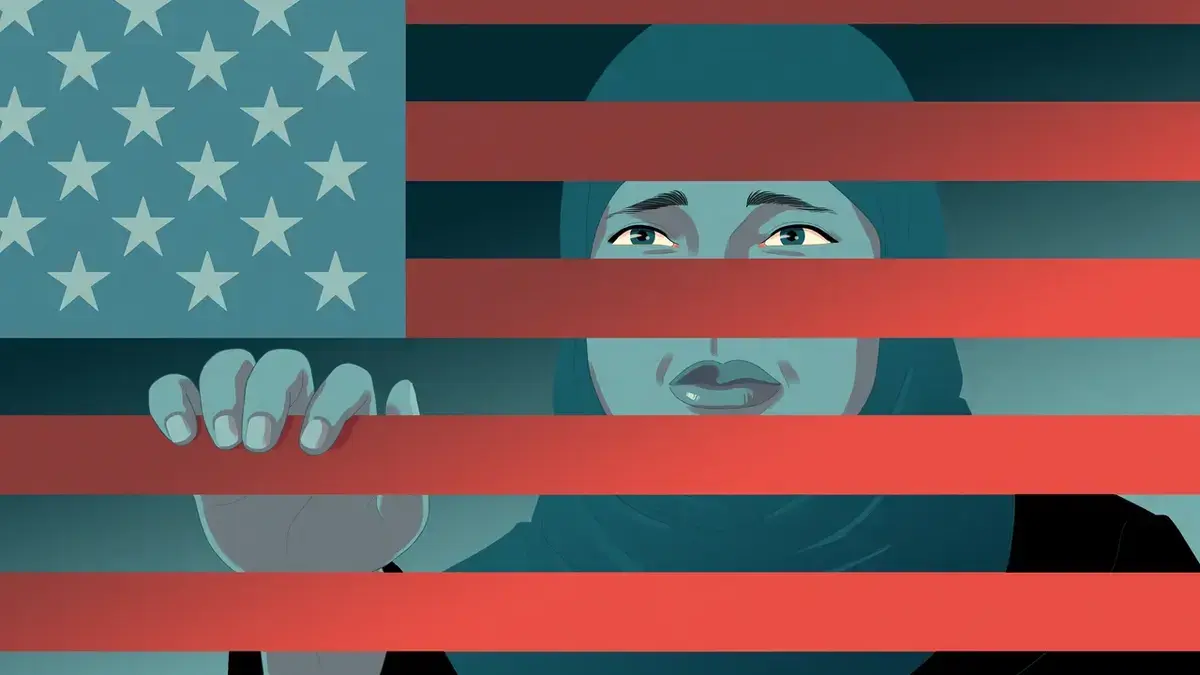
In recent years, the United States has dramatically reduced its refugee resettlement program. This shift began during the Trump Administration, which implemented policies that adversely affected the world's most vulnerable populations. As a result, many refugees are left without support or a safe place to call home.
The U. S. has long been a leader in refugee resettlement, offering refuge to those fleeing persecution and violence. However, the policies enacted by the Trump Administration aimed to limit the number of refugees allowed into the country. This included a significant reduction in the annual cap for resettlements and stricter vetting processes. The ramifications of these decisions have been profound, leaving countless individuals and families in perilous situations.
The decline in refugee admissions was influenced by a broader political climate that favored stricter immigration controls. The administration argued that reducing the number of refugees was necessary for national security. This rationale, however, has been met with criticism from humanitarian organizations and advocates who argue that it disregards the urgent needs of those fleeing violence and oppression.
# Is There Hope for Refugees in the Future?
The consequences of these policies extend beyond numbers. Refugees who had hoped for a new life in America are now stuck in limbo, often in overcrowded camps or unsafe environments. The emotional and psychological toll on these individuals is immense, as their dreams of safety and stability are dashed.
Despite the bleak outlook, there are efforts to revive the refugee resettlement program. Advocacy groups are working tirelessly to raise awareness and push for policy changes. Many Americans still support the idea of providing refuge to those in need, reflecting a long-standing tradition of compassion and support for the vulnerable.
As the political landscape evolves, the future of refugee resettlement remains uncertain. The need for a robust response to global displacement is more critical than ever. The international community must prioritize the protection of refugees and ensure that they have access to safe havens.
As the political landscape evolves, the future
What is the current status of the U. S. refugee resettlement program? The U. S. refugee resettlement program has seen significant reductions in admissions since the Trump Administration. The annual cap has been lowered, and many refugees remain in dangerous situations.
What are the implications of reduced refugee admissions? Reduced admissions leave many refugees without safe options, often forcing them to remain in precarious living situations. The humanitarian impact is severe, affecting mental health and stability.
Are there efforts to change current policies? Yes, advocacy groups are actively working to raise awareness and push for reforms in refugee resettlement policies. Public support for refugees remains strong, indicating potential for future changes.