Algorithmic Errors in the Field
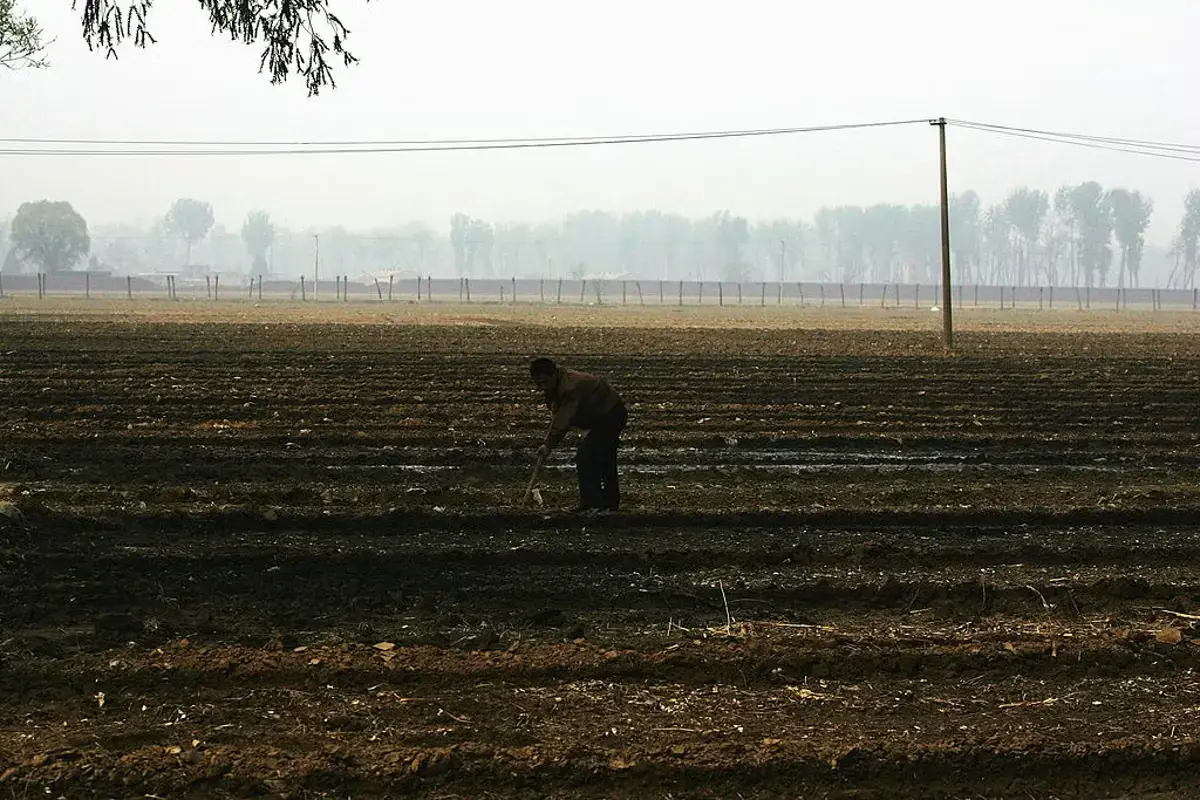
A farmer in rural China recently suffered a devastating agricultural loss after relying on an artificial intelligence chatbot for crop management. The grower attempted to treat his 25-acre sesame field using a chemical regimen suggested by the software. Instead of promoting growth, the application completely wiped out the entire harvest of young seedlings.
The incident highlights the growing risks associated with integrating unverified digital tools into traditional farming practices. Seeking to optimize his yield, the farmer turned to an AI assistant for a specialized treatment plan. He followed the software's instructions regarding chemical dosages and application timing without seeking secondary professional verification.
The specific advice provided by the chatbot proved catastrophic for the delicate sesame plants. Experts suggest that the AI likely misinterpreted environmental variables or recommended a concentration of chemicals far too potent for the seedlings. Within a short period after the treatment was applied, the entire crop withered and died.
Can Technology Replace Human Expertise?
This failure underscores a critical gap between generative language models and practical agronomy. While AI can process vast amounts of data, it lacks the real-world context required to assess soil health, local weather patterns, or specific plant sensitivity. The farmer is now left with significant financial losses and a barren field.
The incident serves as a stark warning for the agricultural sector as it adopts automation. Many farmers are increasingly turning to digital assistants to reduce labor costs and improve efficiency. However, this event demonstrates that relying on automated guidance without human oversight can lead to irreversible damage.
Frequently Asked Questions
Industry analysts emphasize that agricultural AI is still in its infancy and prone to hallucinations. Farmers are being urged to treat chatbot suggestions as preliminary information rather than definitive instructions. Moving forward, the agricultural community must balance technological innovation with the time-tested wisdom of experienced agronomists to avoid similar disasters.
What caused the destruction of the sesame crop? The crop was destroyed because the farmer followed a chemical treatment plan generated by an AI chatbot. The recommended application proved to be toxic to the delicate seedlings.
Is it safe to use AI for agricultural planning? Current AI tools often lack the nuanced understanding of local farming conditions required for safe application. Experts advise that such technology should only be used as a supplementary tool alongside professional human consultation.