India's IT Sector Feels the Squeeze from AI Adoption
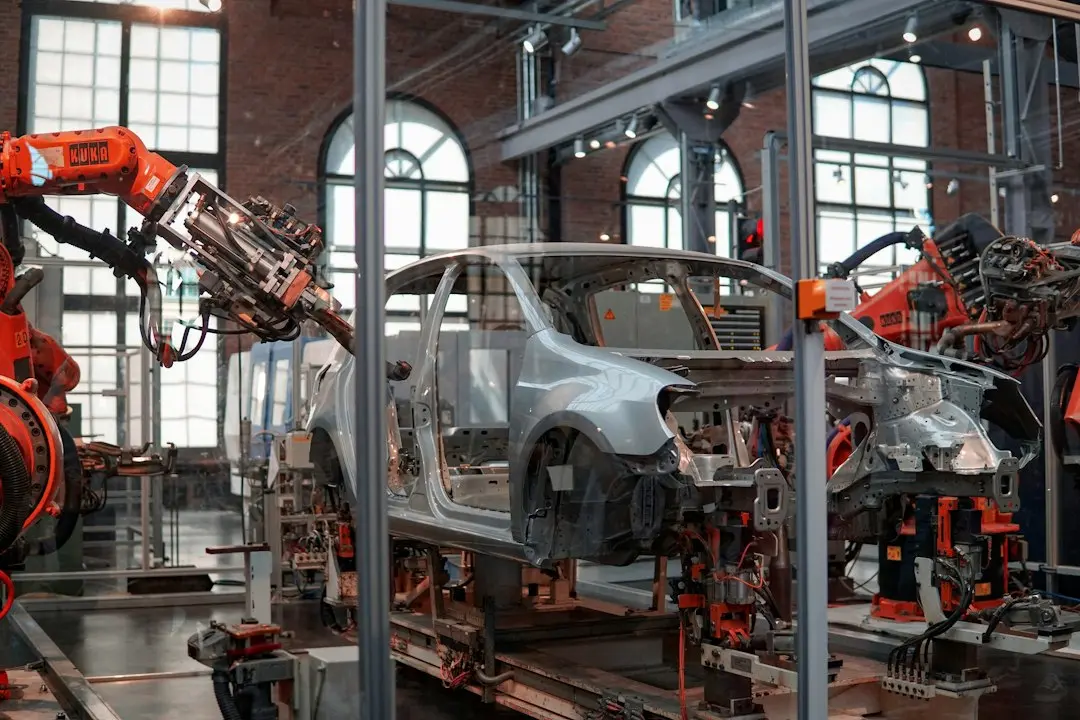
The changes are particularly visible in India, where the rapid adoption of artificial intelligence tools is slowing demand for traditional IT roles. Factory floors across the region are also being restructured as machines take over routine tasks previously performed by human workers.
Pershad notes that the automation wave is not just eliminating jobs but also changing the nature of work itself. Companies are increasingly investing in AI-driven solutions that can perform tasks like data entry, customer service, and basic software development with greater speed and lower cost than human employees. This shift is forcing IT firms in cities like Bangalore and Hyderabad to reconsider their hiring strategies, with many reporting reduced recruitment for entry-level positions.
The manufacturing landscape is experiencing similar disruption. From automotive plants in Japan to electronics assembly lines in Vietnam, robots and smart systems are becoming standard. Workers who once operated machinery are now being retrained for more complex oversight roles, though the transition has not been seamless for all employees.
The broader implications extend beyond individual industries. As AI reshapes labor markets, economists warn of widening inequality if workers cannot adapt quickly enough. Governments across Asia are grappling with how to balance technological progress with social stability, debating policies around retraining programs and unemployment support.
What Does This Mean for Asia's Economic Future?
Young professionals entering the job market face a different landscape than previous generations. Skills in data science, machine learning, and digital transformation are becoming premium qualifications, while traditional technical roles are diminishing. This evolution is prompting universities and vocational institutions to overhaul their curricula to align with emerging industry needs.
Looking ahead, Pershad suggests that while the short-term disruption is significant, the long-term outcome could lead to higher productivity and new categories of employment that are difficult to predict today. The key challenge lies in managing the transition period effectively, ensuring that displaced workers are not left behind as Asia's economy evolves.
Will AI completely replace human workers in Asia?
No, while AI is automating many routine tasks, it is also creating new roles in areas like AI maintenance, ethics oversight, and strategic decision-making. The focus is shifting toward human-AI collaboration rather than full replacement.
Frequently Asked Questions
How are Indian IT companies adapting to reduced hiring?
Many are pivoting toward consulting and AI integration services, upskilling existing staff rather than expanding headcount. They are also exploring opportunities in emerging markets where digital transformation is still in early stages.
What support do governments provide for affected workers?
Several Asian countries are launching national retraining initiatives and offering subsidies for workers transitioning to new industries. However, the scale and effectiveness of these programs vary significantly across the region.</</p>