Can Export Controls Slow the AI Rush?
From tech billionaires to progressive lawmakers, a growing consensus warns that the unchecked competition in artificial intelligence development risks triggering severe global consequences. Figures including Bill Gates and Bernie Sanders have voiced concerns that the current trajectory could lead to ecological damage, economic instability, or democratic erosion. The warning comes as AI systems demand ever-greater computational power, driving up energy use and intensifying geopolitical tensions over critical hardware.
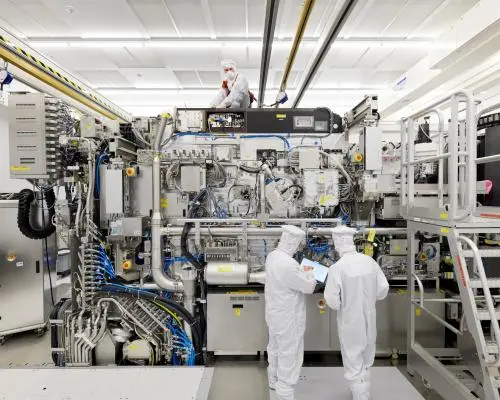
The core issue lies in the immense resources required to train and run advanced AI models, particularly the semiconductors that power them. Dutch firm ASML, a key supplier of chip-making equipment, has become central to this dynamic, with its export restrictions already shaping access to vital technology. European policymakers are considering further limits on ASML’s sales to certain countries, hoping to slow the pace of AI advancement and mitigate associated risks. Such measures aim to address fears that unrestricted progress could exacerbate climate change through soaring emissions, disrupt labor markets via automation, or concentrate power in ways that undermine democratic institutions.
What Are the Real Risks of Unchecked AI Growth?
Proponents argue that curbing access to advanced lithography machines could create a necessary pause in the AI race, allowing time for regulatory frameworks to catch up. By limiting the spread of cutting-edge chip technology, Europe hopes to reduce the likelihood of reckless deployment while encouraging more sustainable innovation paths. Critics, however, warn that such restrictions might only shift development elsewhere without solving underlying problems, potentially triggering a technological divide or accelerating underground efforts to bypass controls.
Experts point to multiple interconnected dangers: the energy demands of AI data centers could worsen global warming, automated systems might displace millions of workers faster than economies can adapt, and AI-driven surveillance or manipulation could erode public trust and electoral integrity. These outcomes are not inevitable, but they represent plausible scenarios if development continues without adequate oversight. The challenge lies in balancing innovation with safeguards that protect both the planet and society.
Why is ASML’s technology so important in the AI debate? ASML produces extreme ultraviolet lithography machines essential for manufacturing the most advanced semiconductors, which are foundational to high-performance AI systems.
Frequently Asked Questions
Could limiting ASML exports actually slow AI development? Yes, by restricting access to key chip-making tools, such measures could delay the production of powerful processors needed for large-scale AI training and deployment.
What alternatives exist to export bans for managing AI risks? Other approaches include international AI safety agreements, stricter data center energy standards, and policies promoting transparency and accountability in AI design and use.