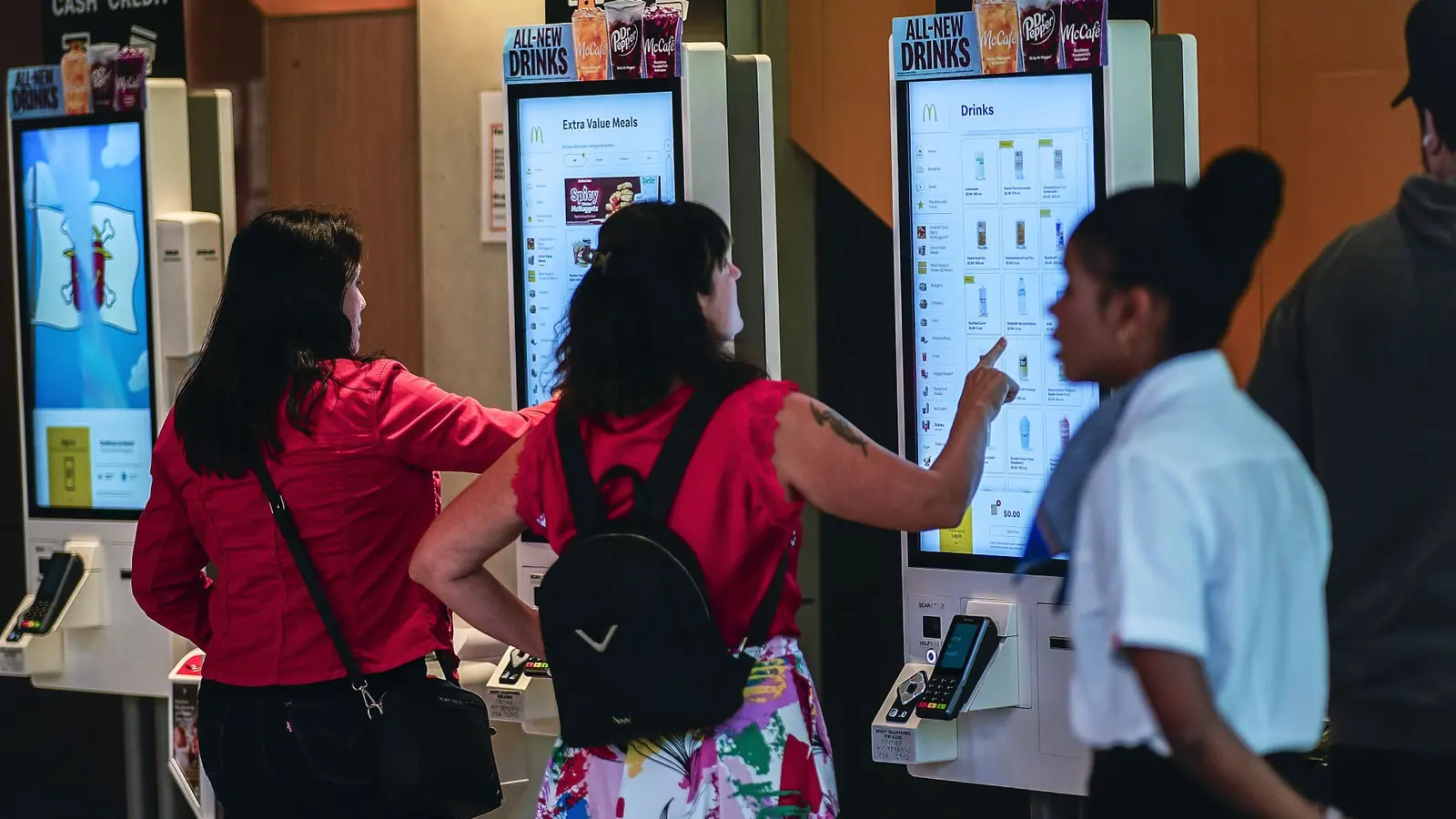
How AI Is Reshaping the Grocery Experience
Retailers across the globe are adopting artificial intelligence to streamline supply chains, forecast demand, and adjust prices in real time. This trend is already affecting everyday items like Big Macs and milk, raising questions about fairness and transparency for consumers.
The rise of AI‑powered „dynamic pricing” means that supermarkets and fast‑food chains can change the cost of a product within minutes, based on inventory levels, competitor prices, weather forecasts, and even individual shopping habits. While the technology promises greater efficiency, critics argue it could lead to unpredictable price swings and hidden discrimination.
Are Prices Fair?
Retail giants are deploying machine‑learning models that analyze thousands of data points to set optimal prices. In the United States, a leading supermarket chain reported a 12% increase in sales after implementing an AI system that adjusts prices during peak hours. Meanwhile, a popular fast‑food franchise announced that its AI platform will allow it to change the price of a Big Mac by up to 15% depending on local demand and supply chain disruptions.
Customers who shop online are already noticing the effect. One shopper in California said her cart’s total fluctuated by $3.50 after adding a few items. The company behind the platform claims the changes help balance inventory and reduce waste, but the lack of clear disclosure has sparked consumer backlash.
What Happens When AI Takes Over?
What safeguards exist to prevent price discrimination? Retailers argue that AI models are designed to be objective, using objective data such as sales volume and stock levels. However, independent researchers have found that algorithms can inadvertently favor higher‑income neighborhoods, leading to higher prices for lower‑income shoppers. In a recent audit, a major grocery chain’s AI system was found to increase the cost of fresh produce by 8% in areas with lower median incomes.
Consumer advocacy groups are calling for regulation. They demand that companies disclose when prices are dynamic and provide shoppers with a clear explanation of the factors driving changes. Some legislators are drafting bills that would require transparency and limit price fluctuations to a maximum of 10% within a 24‑hour period.
Frequently Asked Questions
If AI becomes the default pricing tool, the grocery aisle could become a constantly shifting marketplace. Shoppers might need to monitor prices before purchasing, similar to how airline tickets are booked. While some consumers welcome the potential for lower prices during off‑peak times, others fear that the lack of predictability could erode trust in retailers.
The long‑term outlook depends on how quickly regulators respond and whether consumers adapt to a more fluid pricing model. If transparency measures are enacted, AI could become a force for efficiency and fairness. Without them, the technology risks widening economic disparities and undermining consumer confidence.