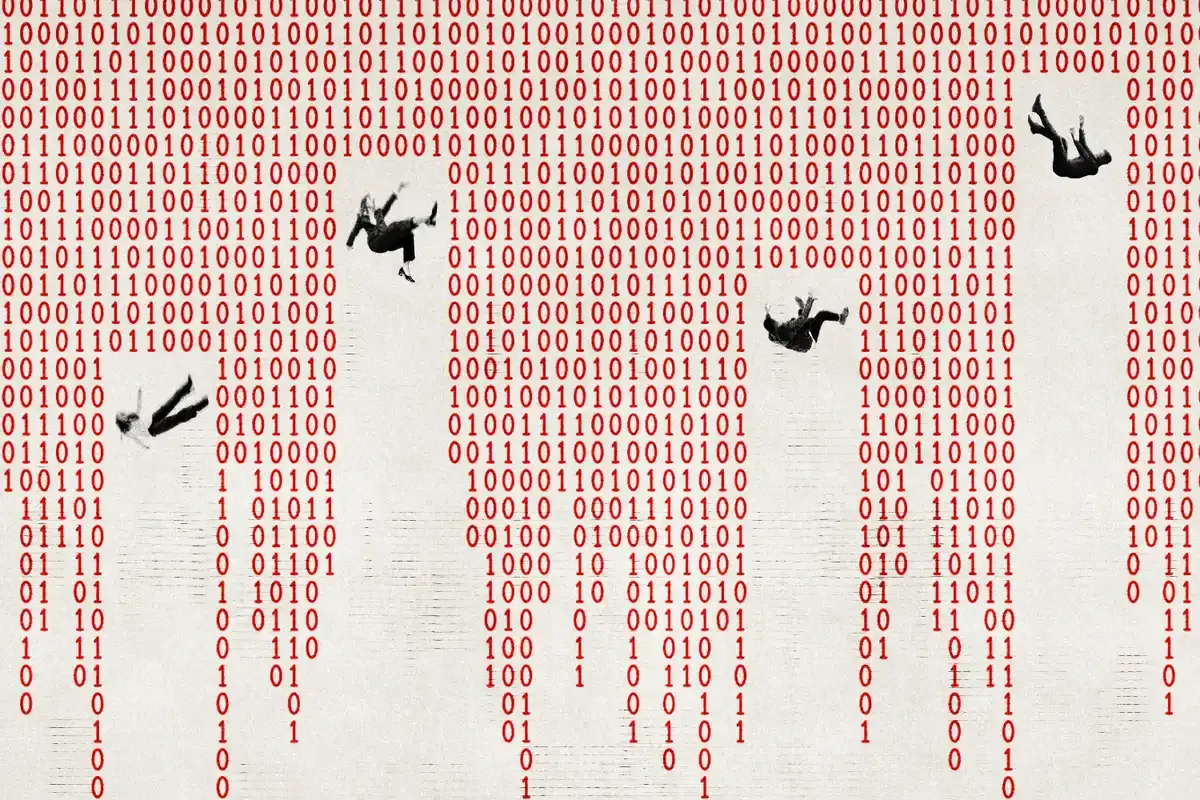
Rethinking the Playbook
The world is on the cusp of an AI-driven industrial revolution, but policymakers are approaching it with a mindset shaped by past experiences. Bhaskar Chakravorti, dean of global business at Tufts University's Fletcher School, argues that this approach won't work. The last industrial revolution was characterized by automation, but AI is a fundamentally different technology.
Chakravorti contends that AI's impact will be more profound and far-reaching than previous technological advancements. Unlike automation, which primarily replaced human labor, AI will augment and transform human capabilities. This shift requires a new understanding of the interplay between technology, economy, and society.
Can Policymakers Keep Pace?
As AI continues to advance, governments and businesses must adapt their strategies to harness its potential. Chakravorti emphasizes that a nuanced understanding of AI's capabilities and limitations is essential for effective policymaking. The stakes are high, with the potential for significant economic and social disruption if policymakers fail to adjust their approach.
The consequences of inaction could be severe, with AI exacerbating existing social and economic inequalities. A proactive and informed approach to AI governance is crucial to mitigating these risks and ensuring that the benefits of AI are shared by all.
What is the main difference between AI and automation? AI transforms human capabilities, whereas automation primarily replaces human labor. This distinction has significant implications for policymakers.
Frequently Asked Questions
How can policymakers prepare for the AI revolution? By developing a nuanced understanding of AI's capabilities and limitations, and adapting their strategies accordingly.
What are the potential consequences of inaction? Significant economic and social disruption, with AI potentially exacerbating existing inequalities.