Community Concerns and Infrastructure Growth
The United States' leadership in artificial intelligence development faces a critical challenge. Its continued dominance relies heavily on gaining support from local communities. This integration is essential for the nation to maintain its technological edge. Without it, progress could falter.
The rapid expansion of AI infrastructure, particularly data centers, is meeting resistance. Communities are often wary of the environmental and social impacts. This local opposition could slow down vital advancements.
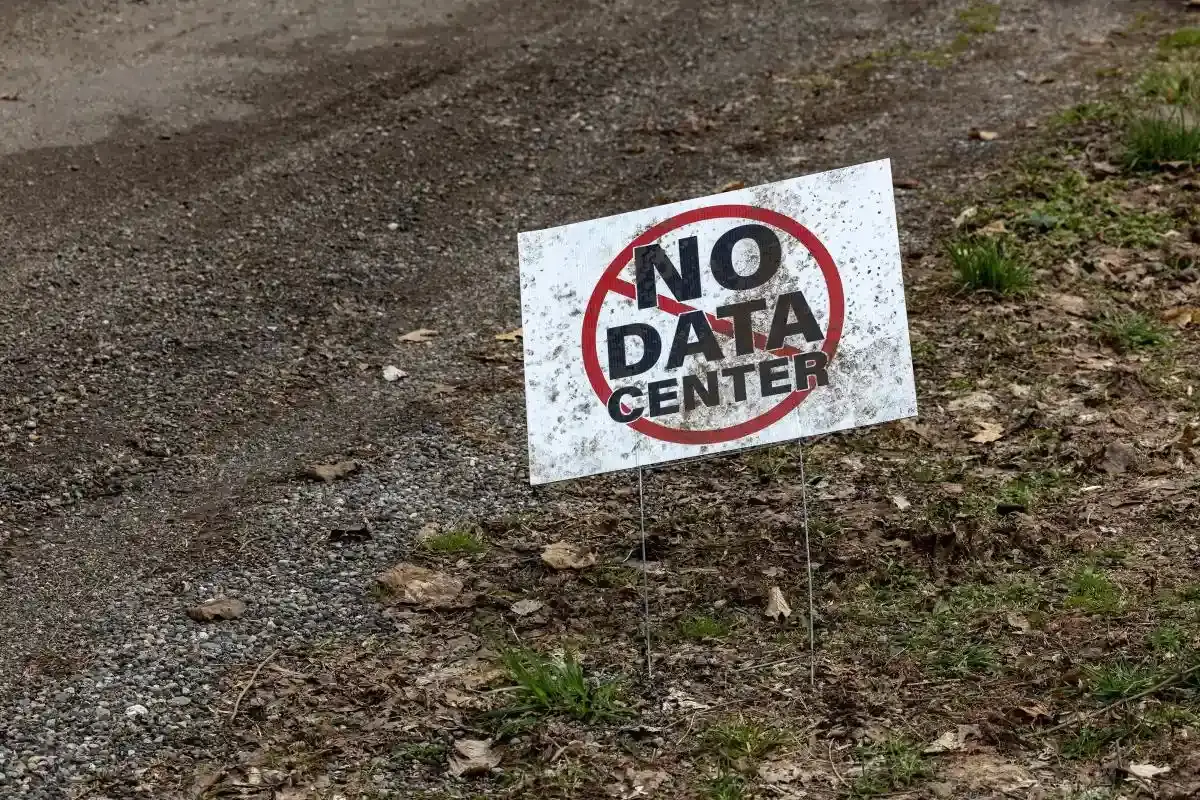
Many towns are seeing large-scale data center projects proposed. These facilities are crucial for powering AI systems. However, residents frequently express concerns about noise, water usage, and visual blight. An anti-data center sign seen in New Carlisle, Indiana, in March 2026, highlights this growing sentiment. Such protests indicate a broader pattern of local pushback against AI-related development.
How Can Local Communities Be Better Integrated?
Local governments and developers must address these anxieties directly. Transparent communication is key to building trust. Ignoring community input risks prolonged delays and outright project cancellations. This could ultimately undermine national AI strategies.
Integrating local communities means more than just informing them of plans. It requires active participation in the decision-making process. Developers should offer clear benefits to the areas hosting these facilities. This could include job creation, infrastructure improvements, or tax revenue sharing. Engaging early and often can prevent misunderstandings and foster cooperation.
Furthermore, policymakers need to create frameworks that balance national AI ambitions with local well-being. This involves careful planning and impact assessments. A collaborative approach will ensure that AI development benefits everyone. It is not just about technological progress but also about societal acceptance.
The future of American AI leadership depends on this delicate balance. Successfully navigating local concerns will be paramount. Otherwise, the nation risks falling behind in the global AI race.
Frequently Asked Questions
What is the main challenge facing American AI dominance? The primary challenge is integrating local communities into AI development. Without their support, the expansion of necessary infrastructure like data centers faces significant resistance.
Why are local communities resisting AI infrastructure? Local communities are concerned about the environmental impact, such as water usage and noise pollution, and the visual impact of large data centers. They often feel their concerns are not adequately addressed.
What steps can be taken to address these local concerns? Developers and policymakers should engage communities early and transparently. Offering tangible benefits like jobs or infrastructure improvements and involving residents in decision-making can help build trust and support.