From Existential Dread To Medical Hope
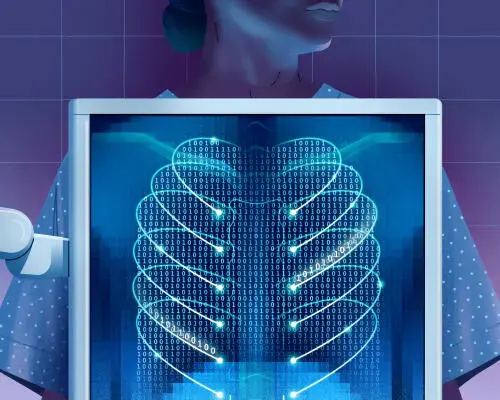
Major technology companies are asserting that artificial intelligence can identify cures for cancer. This claim stands in stark contrast to frequent warnings about the technology's potential to destroy humanity. The focus has shifted from existential threats to medical breakthroughs. Tech leaders believe AI can accelerate drug discovery. They argue that machine learning can analyze biological data faster than human researchers. This shift highlights the dual nature of advanced computing power.
The narrative surrounding AI is changing rapidly. Previously, public discourse focused heavily on risks. Now, the emphasis is on therapeutic applications. Companies are investing heavily in health tech sectors. They aim to use algorithms to predict protein structures. This process could lead to new treatments for deadly diseases. The transition from fear to hope is evident in recent statements. Tech executives are positioning AI as a vital medical tool. They suggest that traditional research methods are too slow. AI offers a faster path to viable cures.
The contrast between AI's destructive potential and its healing capabilities is striking. Critics often highlight the dangers of autonomous systems. However, proponents point to tangible health benefits. The technology can process vast datasets of genetic information. This allows for personalized medicine approaches. Researchers can test thousands of compounds virtually. This reduces the time needed for clinical trials. The goal is to save lives through efficiency. Tech giants are leveraging their computational resources for this purpose. They claim to be on the verge of significant discoveries. The medical community is cautiously optimistic about these developments.
Can Algorithms Outpace Human Biology?
The core question remains whether machines can truly understand disease. Cancer is a complex and evolving condition. It mutates and adapts to treatments over time. AI models must account for this variability. Current systems show promise in pattern recognition. They can identify subtle markers that humans might miss. However, biological systems are incredibly intricate. Simple algorithms may not capture the full picture. Experts debate the reliability of AI-generated medical insights. Validation through rigorous clinical trials is essential. Without proper testing, claims of a cure remain speculative. The technology is a tool, not a magic solution. It requires human oversight and scientific rigor to be effective.
The outlook for AI in cancer treatment is promising but uncertain. If successful, it could revolutionize oncology. Patients might receive faster and more effective therapies. The cost of treatment could also decrease. This would make advanced care accessible to more people. However, ethical concerns persist regarding data privacy. Patient information must be protected strictly. The industry must balance innovation with responsibility. The race to find a cancer cure is accelerating. AI is a key player in this global effort. The coming years will determine its true impact on medicine.
Frequently Asked Questions
Is AI already curing cancer? No, AI is currently used to accelerate research and drug discovery. It does not directly cure patients but helps scientists find potential treatments faster.
Why are tech companies focusing on health? They see a massive market opportunity in healthcare. Additionally, solving major diseases enhances their public image and legacy.
What are the main risks of this approach? Data privacy breaches and algorithmic errors are significant concerns. Misdiagnosis or ineffective treatments could harm patients if not properly validated.