Why Mega Bonds Challenge Market Capacity
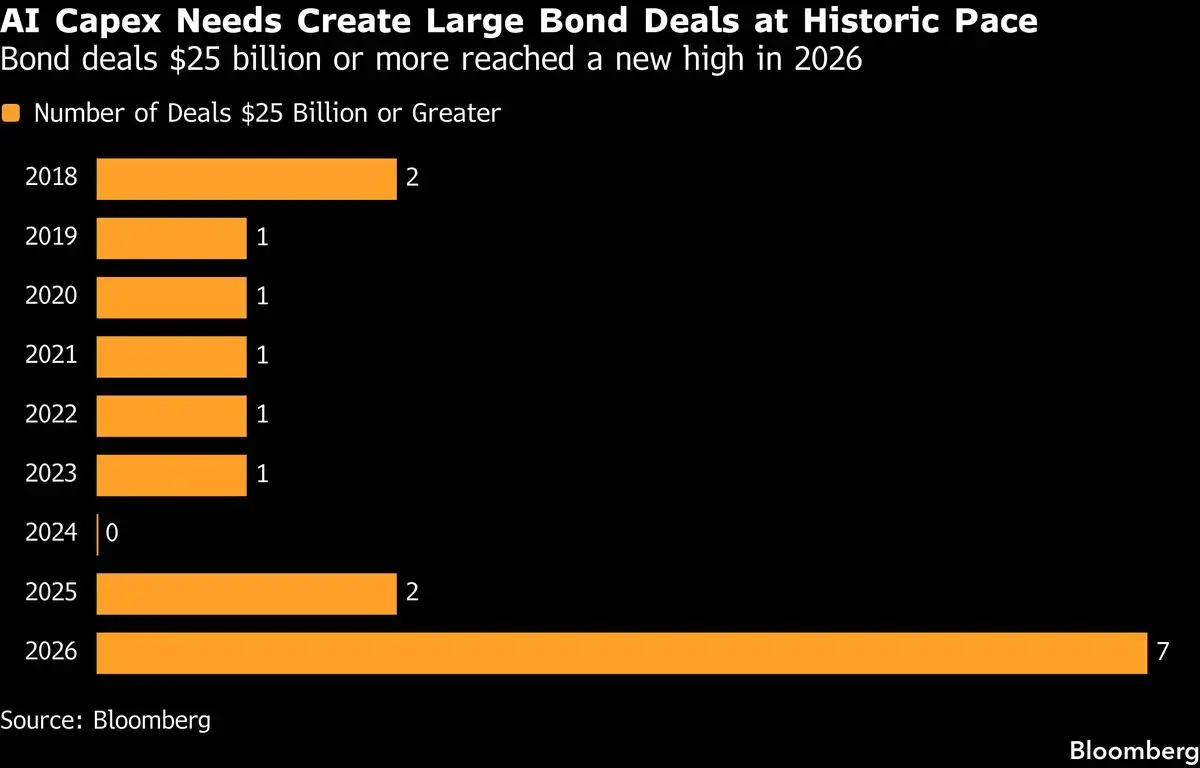
In early June, several leading technology firms announced a combined $25 billion issuance of mega bonds. The offerings, each exceeding $5 billion, were placed with institutional investors worldwide. This rare event marks the largest single‑day debt fundraising by the sector to date.
The bonds were priced at modest yields, reflecting strong demand from pension funds and sovereign wealth funds. Analysts say the surge stems from firms seeking to lock in cheap capital before interest rates rise further. The scale of the issue tests the depth of the high‑yield market, which traditionally handles smaller, staggered offerings. Regulators are monitoring the activity for signs of liquidity strain.
Mega bonds require a broad pool of buyers to absorb large tranches without depressing prices. When multiple tech giants issue debt simultaneously, competition for capital intensifies. Market makers must balance supply with investor appetite, often using syndicates to spread risk. The current environment shows investors willing to fund growth, yet some warn that a sudden shift in sentiment could leave issuers with higher financing costs.
Can Investors Sustain the Appetite for Giant Tech Debt?
Industry observers note that the tech sector’s cash‑rich balance sheets enable aggressive borrowing. Yet, the sheer size of these deals pushes the limits of existing market infrastructure. Trading platforms must handle higher volumes, and rating agencies face pressure to assess risk across a broader exposure base. The outcome will influence how future large‑scale corporate debt is structured.
Investors question whether the demand for such massive issuances can endure amid tightening monetary policy. If central banks raise rates, the cost of borrowing rises, potentially dampening enthusiasm for high‑volume bonds. Moreover, a market correction could reduce the appetite for riskier, longer‑dated securities. Nonetheless, many fund managers view tech debt as a relatively safe asset, given the sector’s robust cash flows and growth prospects.
The sustainability of this trend hinges on macroeconomic conditions and corporate earnings. Should earnings remain strong, investors may continue to favor large tech bonds despite higher yields. Conversely, a slowdown could prompt a shift toward more conservative assets, leaving issuers to renegotiate terms or seek alternative financing routes.
The $25 billion mega bond wave underscores both the confidence of tech firms in their financial footing and the willingness of investors to back sizable debt. Market participants will watch closely for signs of strain as the next round of issuances approaches. If liquidity holds, the sector may set a new benchmark for corporate financing; if not, a recalibration could reshape debt markets for years to come.
Frequently Asked Questions
What defines a „mega bond” in corporate finance? A mega bond is a single debt issuance that exceeds $5 billion, typically sold to institutional investors rather than retail buyers.
Why are tech companies turning to debt instead of equity? Debt can be cheaper than equity when interest rates are low, and it avoids diluting existing shareholders while providing flexible capital for expansion.
Will higher interest rates affect future mega bond sales? Higher rates increase borrowing costs, which may reduce investor demand and force issuers to offer higher yields to attract capital.