Regulation Challenges Surpass Cold War Negotiations
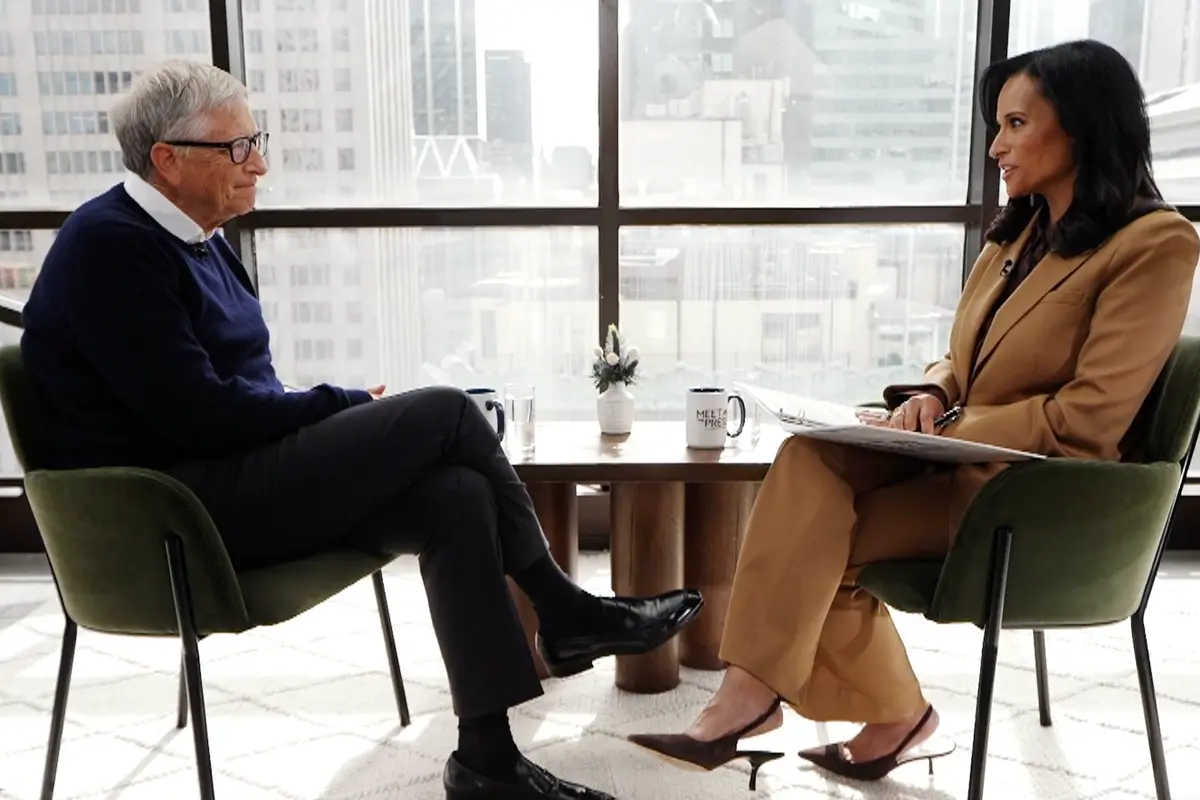
Billionaire philanthropist Bill Gates warned that an AI kill switch alone won’t prevent disaster, saying regulation may be tougher than Cold War nuclear treaty talks, and he expressed doubt that China poses the biggest AI threat in the global technology race.
Gates argued that a simple kill switch cannot guarantee safety, especially as AI systems become more autonomous. He said that drafting enforceable regulations will demand transparent standards, continuous monitoring, and international consensus, tasks far more intricate than the secretive Cold War treaty processes. The philanthropist warned that delays in policy could allow uncontrolled AI development to accelerate, raising the stakes for every nation.
Despite speculation, Gates said China does not top his list of AI concerns, focusing instead on broader geopolitical dynamics. He pointed out that the United States and Europe face similar regulatory hurdles, and that the race for dominance involves many actors beyond any single country. According to Gates, the real challenge lies in preventing a fragmented AI landscape where competing systems lack shared safeguards, a risk that transcends national borders.
Experts warn that without swift, coordinated action, AI could outstrip human control, leading to economic disruption and security threats. Gates urges governments to treat AI governance as a priority, similar to nuclear non‑proliferation efforts, and to invest in research that aligns technology with public safety. The coming years will test whether global leaders can translate urgent warnings into concrete regulatory frameworks.
Is China the Real AI Menace?
What does Gates mean by a kill switch in AI? He describes it as a mechanism that would instantly halt an AI system’s operation if it behaves unpredictably. The concept aims to prevent runaway behavior, but Gates notes that building a reliable kill switch is technically difficult and may not stop all forms of harmful AI activity.
Why does he say regulating AI will be harder than Cold War nuclear treaty negotiations? Gates points out that AI regulation must address rapid technological change, global deployment, and proprietary algorithms, whereas nuclear treaties dealt with relatively static weapons systems. The speed of AI innovation and the lack of a single governing body make consensus far more complex.
Does Gates consider China the biggest AI threat? He says China is not his primary concern, noting that multiple nations pose significant risks. According to Gates, the real danger lies in a fragmented global AI environment without unified safeguards.