Why the Delay Stretched Over Five Years
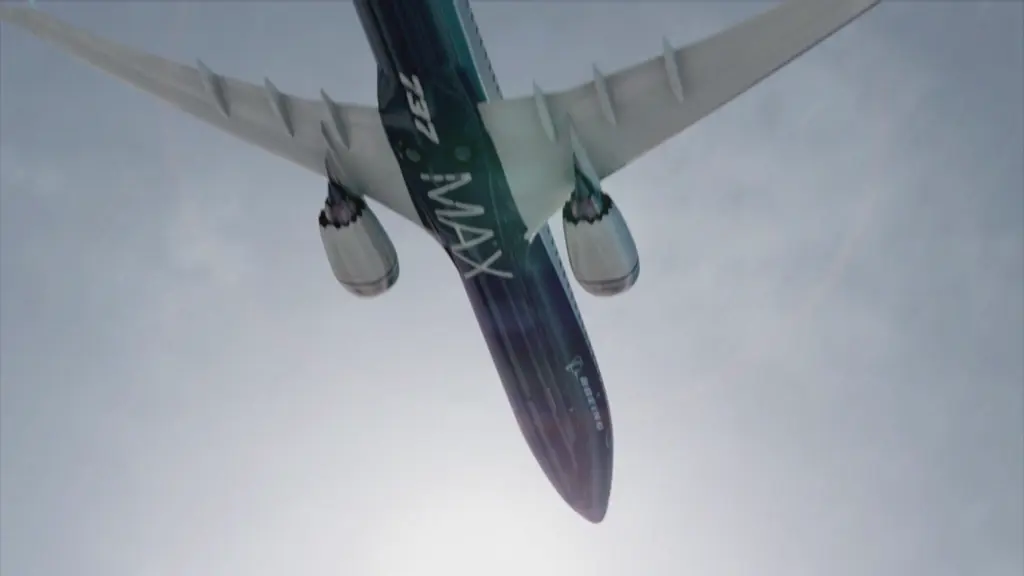
The Federal Aviation Administration officially cleared the Boeing 737 Max 10 for commercial operation on Thursday, marking the largest variant of the Max family to receive certification. The announcement came after a protracted review that began in 2019 and involved extensive software updates, safety redesigns, and new pilot training requirements. Airlines that had been waiting for the aircraft’s release are now poised to place orders and begin deliveries.
The Max 10’s certification followed a series of rigorous tests and revisions. Boeing had to address concerns raised by the 737 Max crashes, including the implementation of a new flight‑control system and a redesigned rudder. The FAA’s final approval confirms that the aircraft meets all safety and performance standards, and it allows airlines to schedule deliveries and integrate the plane into their fleets. The decision also signals confidence in Boeing’s revised design and training programs.
What Does This Mean for Airlines and Passengers?
The certification process was delayed by several factors. First, the 737 Max’s original software flaw—an automated system that could push the nose down unexpectedly—required a comprehensive redesign. Boeing’s new system, the Maneuvering Characteristics Augmentation System (MCAS), was reengineered to prevent single‑sensor failures from triggering dangerous commands. Second, the FAA’s investigation into the crashes uncovered gaps in pilot training and certification procedures. Boeing responded by developing a new training curriculum that emphasizes manual flight‑control skills and emergency response. Finally, the pandemic disrupted supply chains and testing schedules, pushing back the final approval timeline.
These combined challenges meant that the Max 10’s certification was postponed from an initial 2020 target to the present. The FAA’s final sign‑off reflects a thorough review of the aircraft’s flight‑control software, structural integrity, and emergency systems, ensuring that the plane can safely operate under all conditions.
How Will Boeing Address Future Safety Concerns?
Airlines that have long awaited the Max 10’s entry into service are now preparing to place orders. The aircraft offers a 12‑seat increase over the 737‑9, providing more capacity for high‑density routes. Boeing’s marketing team highlights the plane’s improved fuel efficiency, which could reduce operating costs by up to 4 percent compared to older models. Passengers may benefit from a slightly larger cabin and more comfortable seating arrangements.
However, the certification also brings new training requirements for pilots. Airlines will need to invest in simulator time and updated manuals to meet the FAA’s standards. While this adds upfront costs, the long‑term operational savings could offset the initial investment. Industry analysts predict that the Max 10 will become a popular choice for airlines looking to expand their narrow‑body fleets while maintaining lower fuel consumption.
Frequently Asked Questions
Boeing has pledged to maintain a proactive safety culture by enhancing its software verification processes and strengthening pilot training programs. The company will continue to work closely with the FAA to monitor the Max 10’s performance once it enters service. Regular updates to flight‑control software and ongoing safety audits will be part of the post‑certification plan. By addressing the root causes of past incidents, Boeing aims to restore confidence among regulators, airlines, and the traveling public.
Q: When will the first Max 10 flight take place? A: Boeing plans to schedule the inaugural flight in the second half of 2025, pending final delivery arrangements with airlines.