Performance Claims and Potential Hurdles
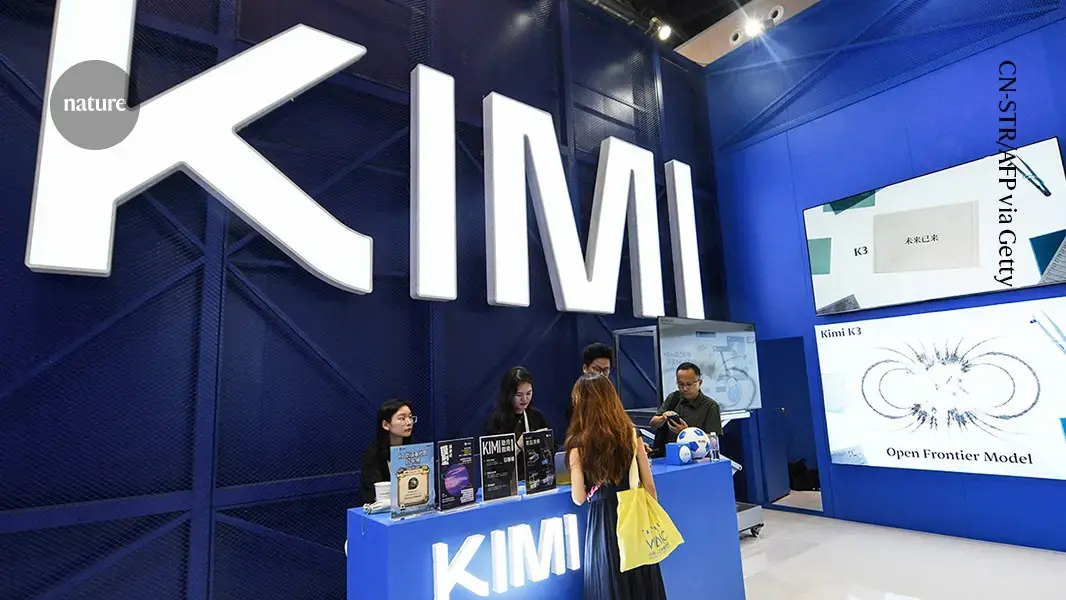
A new artificial intelligence model from China, called Kimi K3, may now rival top US-developed systems. Its creators, Moonshot AI, claim it can match or even surpass current cutting-edge AI. This development marks a significant step for China in the global AI race.
The announcement has generated considerable interest among AI researchers worldwide. For years, US companies have largely dominated the field of large language models. Kimi K3's emergence suggests a narrowing of this technological gap.
Moonshot AI states that Kimi K3 demonstrates performance equal to or better than leading models. This includes capabilities in natural language understanding and generation. However, the model's substantial size could present deployment challenges. Larger models often require more computational resources, which can limit their practical application and widespread adoption.
What Does This Mean for the Future of AI Development?
Scientists are now scrutinizing these claims. Independent verification will be crucial to confirm Kimi K3's true capabilities. The AI community is eager to see how it performs in various benchmarks and real-world scenarios.
This new model could intensify competition in the AI sector. It might also accelerate innovation as different nations strive for technological leadership. The development highlights China's growing investment and expertise in advanced AI research. This could lead to more diverse AI applications globally.
The ongoing competition could also foster greater collaboration. Researchers might share insights to overcome common challenges, such as ethical AI development. The global AI landscape is continuously evolving, with new breakthroughs emerging regularly.
Frequently Asked Questions
What is Kimi K3? Kimi K3 is a new artificial intelligence model developed by Chinese company Moonshot AI. It is designed to perform at the level of or better than leading AI models from the United States.
What are the main challenges for Kimi K3? One significant challenge for Kimi K3 is its large size. This could limit its adoption due to the high computational resources required for its operation and deployment.
How will this impact the global AI market? The introduction of Kimi K3 could increase competition among AI developers worldwide. It may also encourage further innovation and investment in artificial intelligence research across different countries.