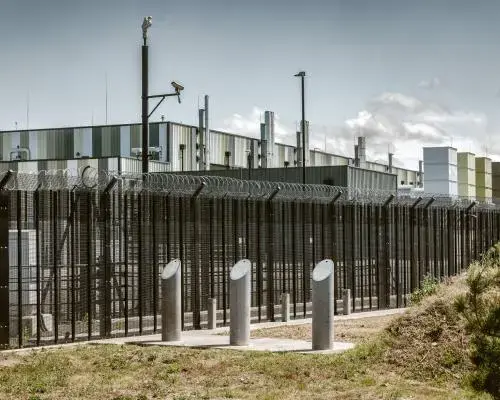
Historic Sites vs. Digital Infrastructure
Large-scale data centre projects worldwide are facing opposition and cancellations. In Virginia, US, a 2,000-acre site is contested due to its proximity to a Civil War battlefield. The Prince William Digital Gateway site has sparked debate over development versus preservation.
Datacentre planning proposals face numerous hurdles, including securing energy supply and high construction costs. The Virginia site's historical significance has raised concerns among locals and preservationists. „If the development is allowed to proceed, the solemn nature of this historic site would be irreparably harmed,” they argue.
Can Data Centres Coexist with Historic Sites?
The clash between preserving historical sites and advancing digital infrastructure is intensifying. Data centres are crucial for the growing demand for cloud computing and artificial intelligence. However, their construction often sparks controversy due to environmental and cultural concerns.
The Prince William Digital Gateway site is not an isolated case. Similar projects worldwide are facing opposition, citing concerns over energy consumption, noise pollution, and visual impact. As the demand for data storage and processing continues to grow, the need for large-scale data centres is becoming increasingly pressing.
Frequently Asked Questions
The question remains whether data centres can be built in a way that respects historical sites and the environment. Some argue that with careful planning and design, data centres can be integrated into existing landscapes without causing harm.
The stalled data centre projects may have significant consequences for the global AI boom. Delays in data centre construction could hinder the development of AI technologies, which rely heavily on data processing and storage. As the world becomes increasingly dependent on AI, the need for robust digital infrastructure is growing.