Building a Cohesive AI Ecosystem
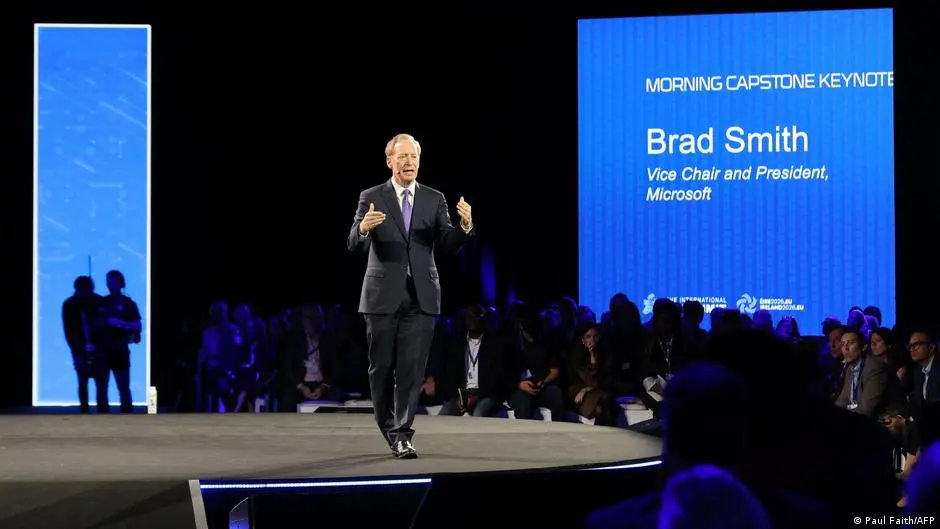
The European Union announced a bold plan to accelerate artificial intelligence adoption during the International AI Summit in Dublin. The event, held this week, drew policymakers, tech leaders, and investors eager to see Europe’s next move in the AI race against the United States and China.
The summit’s opening featured a choreographed dance on a circular stage, symbolizing the EU’s desire to showcase a unified, innovative future. Speakers highlighted the need for a cohesive strategy that balances technological growth with ethical standards. The EU’s proposal includes increased funding for research, stronger data protection laws, and a framework to ensure AI benefits all citizens.
Will Europe Keep Pace? – A Question of Scale
The EU’s plan calls for a €30 billion investment in AI research over the next decade. This funding will support universities, startups, and large corporations, aiming to create a vibrant ecosystem across member states. The proposal also stresses the importance of cross-border collaboration, encouraging joint projects that pool talent and resources. By fostering a shared infrastructure, the EU hopes to reduce duplication and accelerate innovation.
Key to the strategy is the creation of a „European AI Hub” that will coordinate standards, share best practices, and provide regulatory guidance. This hub will work closely with existing bodies such as the European Commission’s Digital Single Market. The goal is to create a single, harmonised market for AI products and services, ensuring that companies can scale without navigating a maze of national regulations.
Can the EU match the rapid progress seen in the United States and China? Critics argue that the EU’s regulatory approach may slow development. The European Data Protection Supervisor warned that overly strict rules could stifle innovation. Meanwhile, tech giants in Silicon Valley and Beijing are investing heavily in AI infrastructure, giving them a head start. The EU’s challenge is to balance safety with speed, ensuring that ethical concerns do not become a bottleneck.
Consequences for the Global AI Landscape
Proponents counter that a cautious approach protects citizens and builds trust. They point to the EU’s GDPR as a model for responsible data use. The summit’s discussions highlighted the need for clear guidelines that prevent misuse while still encouraging experimentation. The outcome will likely shape how quickly European firms can bring new AI products to market.
If the EU’s plan succeeds, it could become a major player in the global AI arena, attracting talent and investment. A unified market would make it easier for startups to grow and for consumers to access trustworthy AI solutions. However, delays in implementation could allow the US and China to solidify their dominance. The EU’s success will depend on swift policy adoption, sustained funding, and effective collaboration across borders.
What is the EU’s main goal for AI? The EU aims to create a cohesive, ethically governed AI ecosystem that boosts economic growth while protecting citizens’ rights.
Frequently Asked Questions
How much funding is the EU committing? The plan includes €30 billion for AI research and development over the next ten years.
Will the EU’s regulations slow innovation? There is debate; some fear strict rules may delay progress, while others argue they build necessary trust and safety.