How Iran’s Covert Toolkit Evolves in the Shadow of Diplomacy
On September 28, 2026, intelligence reports intensified scrutiny on Iran’s alleged use of drone strikes, assassination plots, and cyber operations targeting Western infrastructure, with RAF Fairford in the UK emerging as a focal point of speculation. Analysts suggest Tehran aims to exert pressure without triggering direct military confrontation, leveraging deniable tactics to signal resolve amid stalled nuclear talks and regional tensions. The alleged campaign reflects a broader strategy of asymmetric engagement designed to exploit perceived Western vulnerabilities.
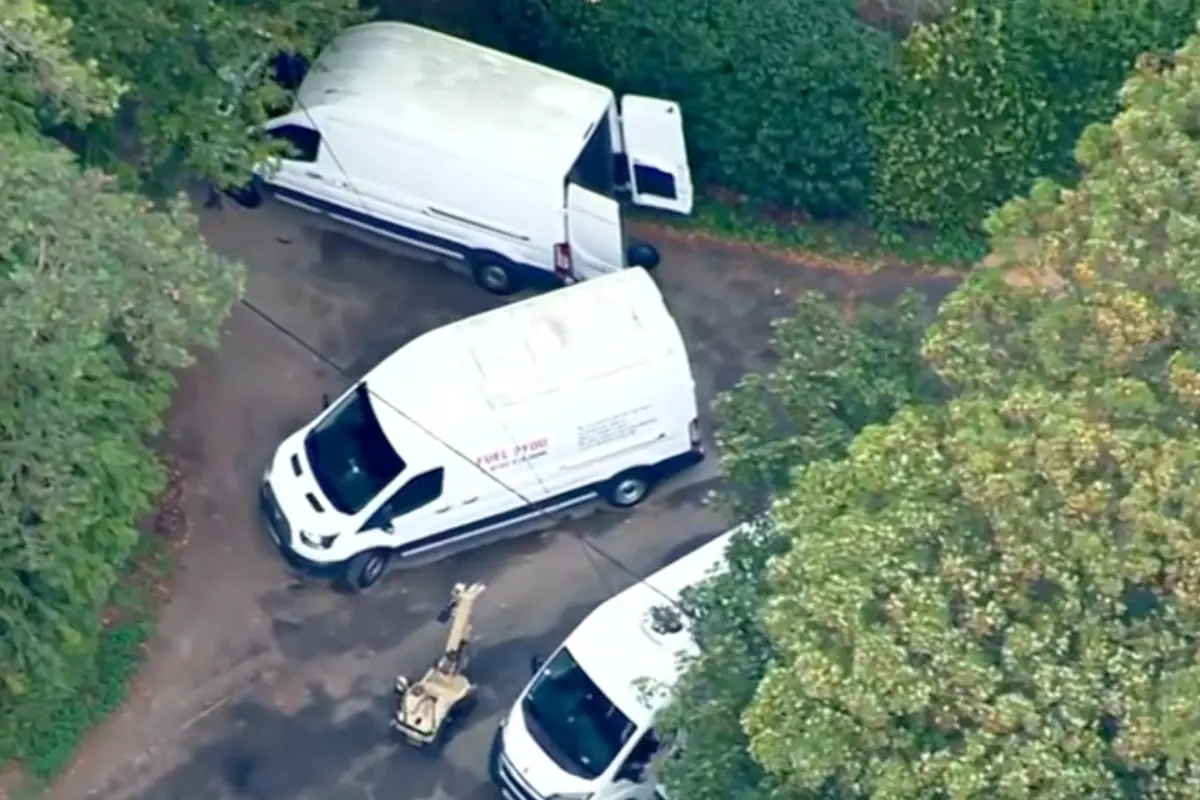
Iran’s approach combines low-cost, high-impact methods: explosive-laden drones launched from proxy networks, cyber intrusions targeting energy and defense systems, and covert efforts to eliminate dissidents or officials abroad. These actions, while rarely claimed openly, are consistently linked to Iranian Revolutionary Guard Corps units and allied militias by Western intelligence assessments. The RAF Fairford incident, involving suspicious aerial activity near a key U. S. Air Force base used for refueling bombers, has raised alarms about potential reconnaissance or sabotage attempts. Officials stress that no attack occurred, but the pattern suggests probing for weaknesses in allied defenses. Such operations allow Iran to maintain strategic ambiguity while advancing its geopolitical objectives without crossing thresholds that might invite overwhelming retaliation.
What Are the Risks of Miscalculating Iran’s Intentions?
Western governments face a dilemma in responding to these gray-zone tactics. Overreaction could escalate tensions unnecessarily, while underreacting may embolden further aggression. Intelligence sharing among NATO allies has increased, particularly regarding drone detection and cyber threat monitoring, yet attributing attacks with certainty remains challenging due to Tehran’s use of intermediaries. Diplomatic channels, though strained, remain open for crisis management, but trust deficits complicate de-escalation efforts. Analysts warn that repeated incidents, even if unsuccessful, could normalize hostile actions and increase the likelihood of a accidental clash, especially in volatile regions like the Red Sea or Persian Gulf where naval forces operate in close proximity.
What specific capabilities is Iran suspected of using in these operations? Iran is believed to employ modified commercial drones for surveillance and strike roles, conduct cyber espionage via hacking groups linked to its Ministry of Intelligence, and utilize overseas agents for assassination attempts targeting critics or former officials.
Frequently Asked Questions
Has Iran admitted involvement in any of these alleged plots? No, Tehran consistently denies responsibility for such actions, often attributing them to internal opposition groups or Israeli false-flag operations, despite forensic and technical evidence cited by Western investigators pointing to Iranian origins.
How are Western countries improving defenses against these threats? NATO members are investing in counter-drone systems, enhancing cyber resilience of critical infrastructure, and expanding intelligence fusion cells to improve early warning and response coordination across air, land, and digital domains.