Financing the Digital Expansion
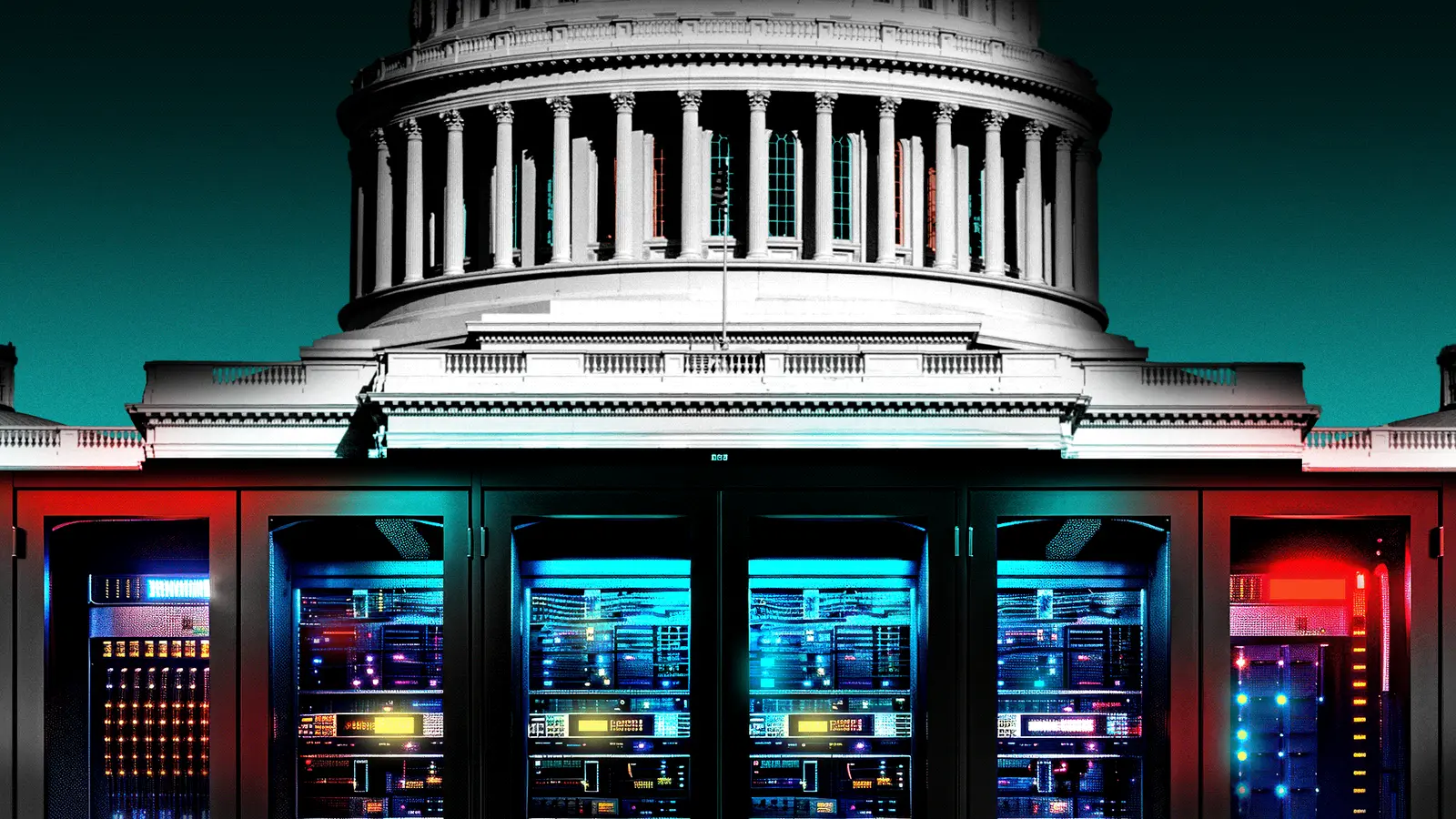
Lawmakers in Washington introduced bipartisan legislation last week aimed at curbing the massive energy consumption of data centers. This proposed policy forces facility operators to cover new infrastructure costs and adhere to stricter environmental regulations. The move responds to mounting public frustration regarding the power grid strain caused by the artificial intelligence boom.
The bill represents the most significant federal attempt to regulate the digital infrastructure sector to date. As AI development accelerates, data centers require unprecedented amounts of electricity to function. This rapid growth has triggered concerns about grid reliability and the potential for increased carbon emissions across the United States.
The proposed framework shifts the financial burden of grid upgrades directly onto the tech companies managing these facilities. Currently, local utilities often struggle to balance the high-voltage needs of data centers with the requirements of residential consumers. By mandating that providers shoulder these infrastructure costs, legislators hope to prevent utility rate hikes for ordinary citizens.
Will Stricter Oversight Slow Down Innovation?
Industry analysts suggest that this policy could fundamentally alter the economics of AI development. If companies must pay for the physical expansion of the power grid, the cost of training large-scale models may rise significantly. Supporters argue this approach ensures that the private sector pays for the resources it consumes rather than passing those expenses to taxpayers.
Critics of the bill worry that excessive regulation might hinder the nation’s technological competitiveness. They argue that imposing rigid energy restrictions could delay the deployment of essential AI hardware and data storage systems. If the infrastructure development process is slowed by bureaucracy, the United States risks losing its lead in the global artificial intelligence race.
The debate highlights a growing tension between the need for rapid digital growth and the physical limits of existing power grids. Moving forward, the government must decide whether to prioritize immediate technological expansion or long-term energy sustainability. The final version of this legislation will likely determine how quickly the country can integrate new AI technologies without jeopardizing grid stability.
Frequently Asked Questions
Why are lawmakers targeting data centers now? Legislators are responding to public backlash regarding the immense power consumption required to support the current AI boom. They aim to protect the stability of the national energy grid.
Who will pay for the new infrastructure improvements? Under the proposed legislation, data center operators would be required to cover the costs of necessary grid upgrades. This shift is intended to protect residential utility customers from price increases.
Could this legislation affect AI development costs? Yes, forcing companies to fund grid expansion could increase the overhead for tech firms. These additional expenses might eventually influence the market pricing for AI services and research.