Data Centers and Dissatisfaction
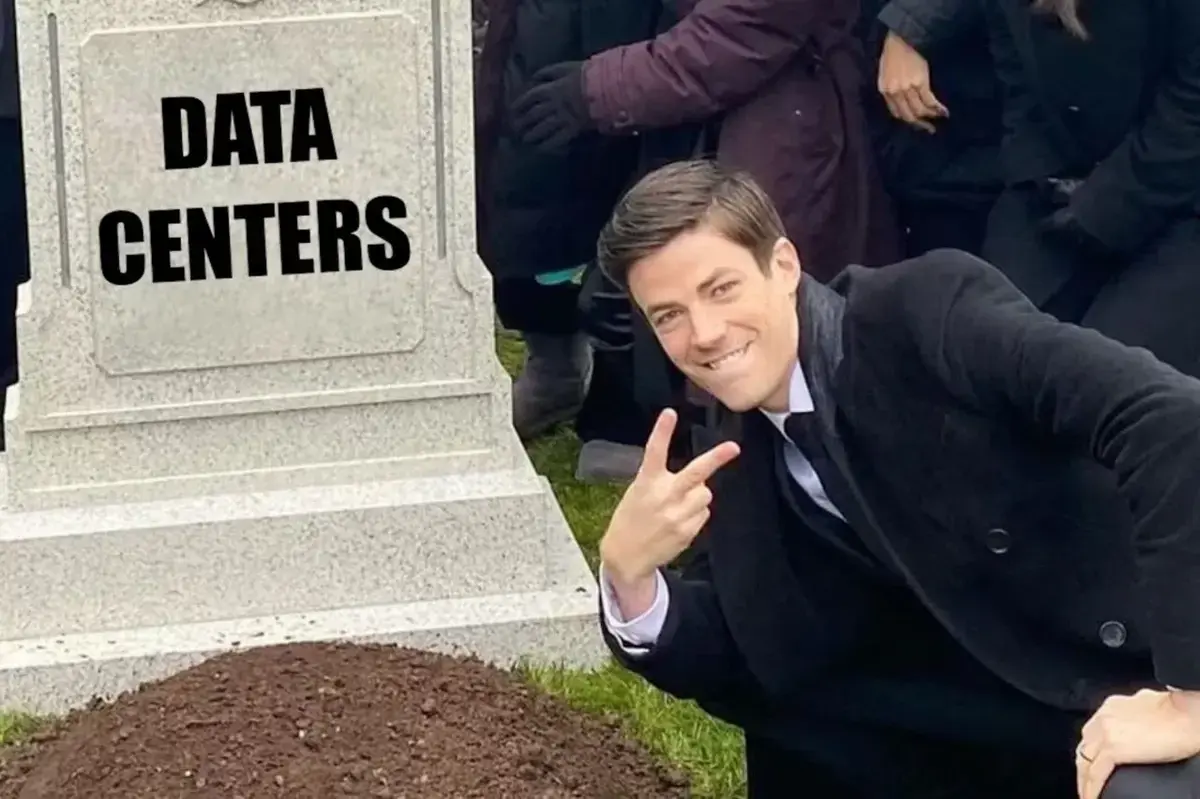
Philadelphia law enforcement is tracking online discussions critical of artificial intelligence. An internal alert highlights growing opposition to AI, particularly focusing on social media memes and commentary. This monitoring extends to views expressed about data centers. The bulletin originated from a regional fusion center.
The alert suggests authorities are concerned about potential protests targeting AI infrastructure. It frames criticism of AI as a potential threat. This raises questions about the scope of First Amendment rights in the digital age. The document implies that expressing discontent with AI could be considered suspicious activity.
The bulletin specifically mentions concerns about data centers. These facilities require significant water and energy resources. Critics argue they contribute to environmental problems. The police appear to be focusing on online expressions of anger toward these facilities. The alert doesn’t detail specific threats, but flags increasing „anti-AI sentiment.”
Is Dissent Now a Security Risk?
The logic presented within the alert suggests a novel interpretation of protest rights. Traditionally, the right to protest has been broadly protected, even when directed at private entities. This bulletin seems to imply that protesting an AI data center is different. It suggests such actions could be viewed with heightened scrutiny. Legal experts are likely to debate the implications of this approach.
The monitoring of memes and online commentary is particularly noteworthy. It raises concerns about potential overreach by law enforcement. Simply expressing a negative opinion about AI, even in a humorous or critical way, is not inherently illegal. The bulletin seems to conflate dissent with potential criminal activity. This could have a chilling effect on free speech.
The fusion center’s alert reflects a broader trend of increased surveillance. Law enforcement agencies are increasingly using technology to monitor online activity. This raises privacy concerns and questions about the balance between security and civil liberties. The focus on AI-related criticism is a new development. It suggests authorities are paying close attention to emerging areas of public debate.
Frequently Asked Questions
The consequences of this monitoring could be significant. It could lead to the targeting of individuals who express critical views about AI. This could stifle public discourse and limit the ability to hold powerful companies accountable. The long-term outlook is uncertain, but it highlights the need for careful consideration of how law enforcement uses surveillance technology.
What is a fusion center? Fusion centers are state and local law enforcement entities that share intelligence with federal agencies. They were created after 9/11 to improve information sharing and enhance security. Critics argue they sometimes overstep boundaries and infringe on civil liberties.
Does criticizing a company constitute a threat? Generally, no. Expressing dissatisfaction with a company, even strongly, is protected speech. A threat requires a specific, credible intention to cause harm. Simply voicing an opinion, even a negative one, does not meet this standard.