Cracking the Code
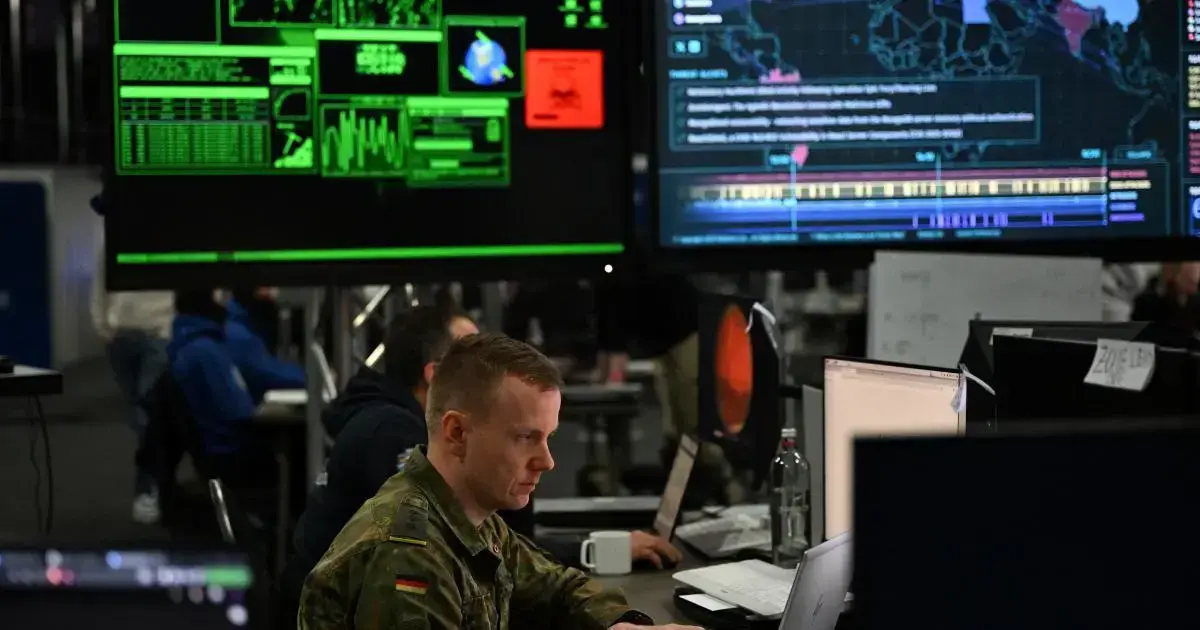
China and Russia are gathering encrypted secrets, posing a significant national security risk. At a cyberdefense exercise in Germany, experts warned of the danger. The threat is growing as these nations advance their capabilities.
The issue is that current encryption methods are vulnerable to being broken by future quantum computers. China and Russia are collecting sensitive information now, which they can store for later decryption. This harvest now, decrypt laterapproach allows them to wait for technological advancements.
Can We Stay Ahead of the Threat?
Experts warn that the timeline for quantum computers to break current encryption is shrinking. Significant progress has been made in quantum computing, bringing the threat closer to reality. As a result, the security of sensitive information is at risk.
The US and other countries are working to develop quantum-resistant cryptography. However, the process is complex and requires significant updates to existing systems. „We're not just talking about updating software, we're talking about changing the fundamental way we secure our data,”said a cybersecurity expert.
The question remains whether the US can develop and implement new security measures before China and Russia can crack current encryption. The answer depends on the pace of technological advancements and the effectiveness of new security protocols.
Frequently Asked Questions
The consequences of failing to address this threat are severe. If China and Russia can decrypt sensitive information, they will gain significant insight into US national security operations. This could have far-reaching implications for global security and stability.
What is the harvest now, decrypt laterapproach? China and Russia are collecting encrypted data now to decrypt it later with quantum computers. How vulnerable is current encryption to quantum computers? Current encryption methods are at risk of being broken by future quantum computers. What is being done to address the threat? The US is working to develop quantum-resistant cryptography to protect sensitive information.