Private Alarm Over a Public Reversal
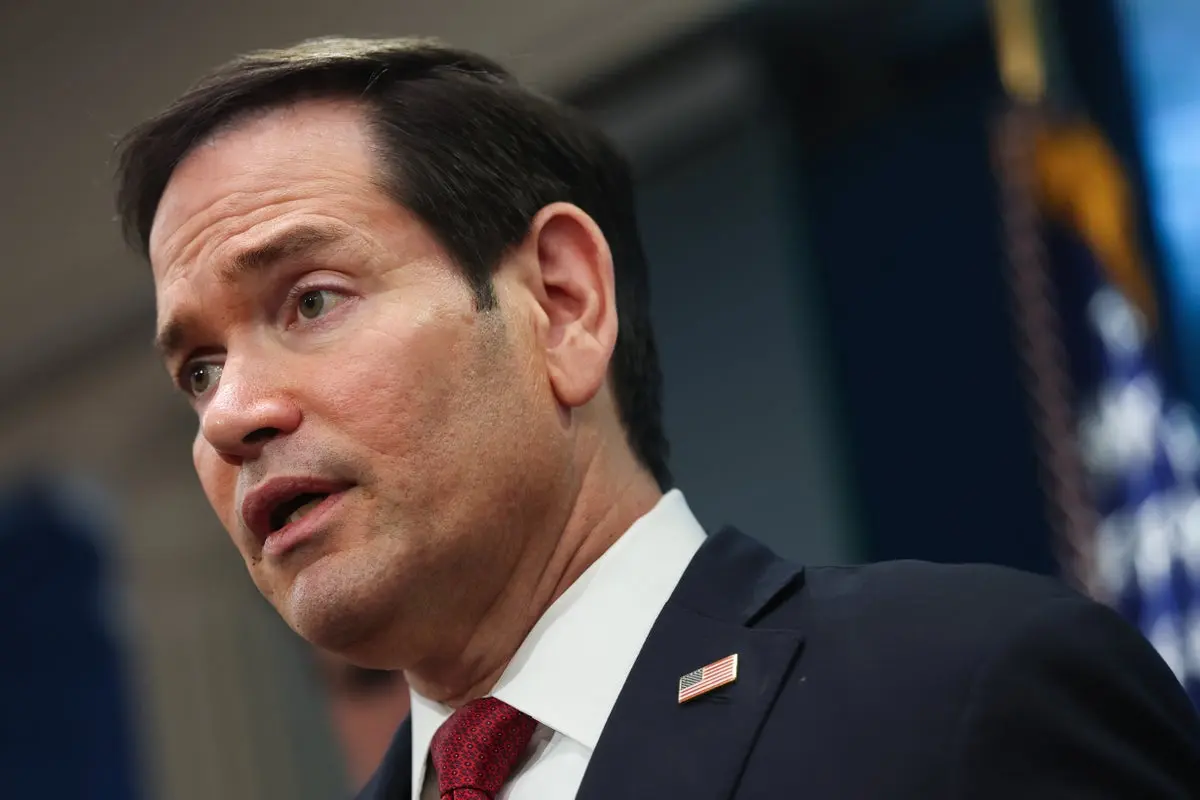
Secretary of State Marco Rubio voiced strong private frustration after Jensen Huang returned as Nvidia CEO. The move happened just weeks after Huang stepped down. Rubio had previously alerted the Trump administration to risks tied to Huang. He reportedly called the reinstatement a particularly angrydevelopment.
The timing is tight. Huang made his return on Monday. This came less than two weeks after his resignation. The chipmaker sits at the heart of the global AI boom. Its leadership stability matters for U. S. tech policy.
Rubio’s concern stemmed from earlier warnings. He had flagged Huang’s ties to a suspected Chinese spy. Those warnings went to senior officials. The administration proceeded with the return anyway. This created friction. Rubio’s anger reflected a clash between security concerns and corporate continuity.
Did Security Warnings Lose to Business Realities?
Nvidia’s role in AI infrastructure makes the CEO choice critical. A leadership shake-up could ripple through supply chains. The administration balanced operational needs against intelligence flags.
The core tension was clear. Security officials raised red flags. Business leaders prioritized stability. Huang’s return signaled that operational continuity won. This decision may set a precedent. Future CEO transitions at critical tech firms could face similar friction.
The outcome leaves questions unanswered. Will the administration revisit Huang’s ties? Will Rubio’s private objections surface in public policy? The AI sector watches closely. Any shift in Nvidia leadership could affect chip exports and global AI development.
Frequently Asked Questions
Why was Rubio angry about Huang’s return? Rubio had warned the administration about Huang’s suspected spy ties. The reinstatement proceeded despite those warnings, prompting his frustration.
When did Huang return as Nvidia CEO? Huang made his comeback on Monday. This was less than two weeks after his resignation.
What are the broader implications? The decision highlights a conflict between security concerns and business continuity. It may influence how the U. S. handles leadership at key tech companies.