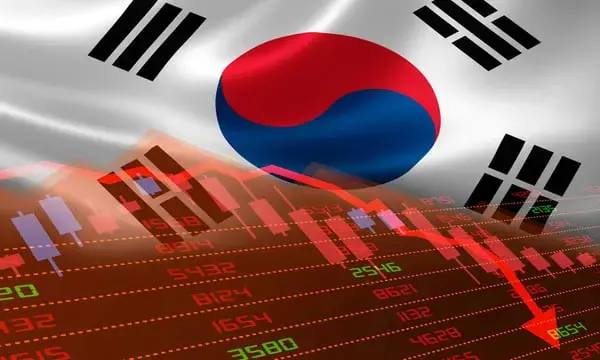
Chipmakers Face Mounting Pressure
South Korea's main stock market, the KOSPI, is experiencing a sharp downturn. This correction follows a period of significant growth fueled by artificial intelligence. Chip manufacturers, central to this boom, are now facing intense pressure.
The market's recent struggles highlight a potential vulnerability. It serves as a cautionary tale for other nations. Relying too heavily on AI for economic expansion can lead to instability.
Can KOSPI Recover Its Momentum?
The global demand for advanced semiconductors drove much of the recent market surge. South Korean companies are major players in this critical industry. Their performance directly impacts the national economy. As chip prices fluctuate and demand shifts, so too does the KOSPI. This interconnectedness makes the market particularly sensitive to semiconductor trends.
The path forward for the KOSPI remains uncertain. A sustained recovery would likely depend on several factors. These include a rebound in global chip demand and diversification of economic drivers. Investors are closely watching for signs of stability in the tech sector. The long-term health of the market may require lessening its dependence on a single industry.
What is the KOSPI? The KOSPI is the benchmark stock market index for the Korea Exchange. It represents the performance of major companies listed in South Korea.
Frequently Asked Questions
Why is South Korea's economy so tied to semiconductors? South Korea is home to some of the world's largest memory chip and semiconductor manufacturers. These companies are crucial exporters and employers, making their performance vital to the nation's economic health.
What caused the recent market correction? The correction followed a period of rapid growth driven by AI demand. Increased pressure on chipmakers, likely due to market saturation or shifting demand, contributed to the downturn.