Why Scientists Are Concerned About Space Mirrors
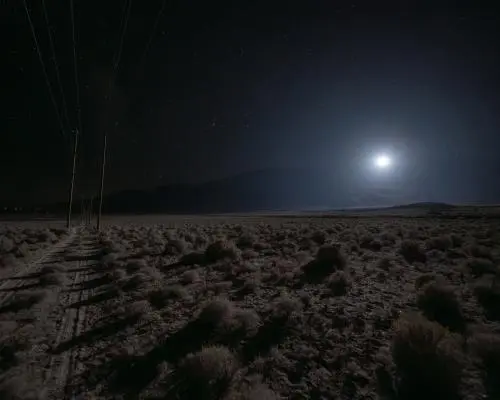
A California desert community was recently startled by an intense beam of light projected from the sky. The illumination came from a startup planning to deploy thousands of mirrors in orbit. These devices are designed to reflect sunlight onto Earth. The project has sparked significant backlash among scientists and the public.
The company, Lumina, aims to use space-based mirrors to extend daylight hours. The technology involves positioning reflective panels in low Earth orbit. These panels would redirect solar energy to specific ground locations. The initial demonstration targeted a rural area in California. Residents reported being disturbed by the sudden brightness.
Critics argue the project ignores ecological and astronomical impacts. The reflected light could disrupt nocturnal wildlife. Astronomers fear increased sky brightness will hinder telescope observations. Some experts question the energy efficiency of moving mirrors in space. Others worry about space debris risks from deploying thousands of panels.
Can Space Mirrors Solve Energy Shortfalls?
The startup defends the initiative as a clean energy solution. They claim it reduces reliance on fossil fuels. The mirrors would operate during nighttime hours. This approach aims to provide continuous solar power without batteries. However, skeptics note the technology remains experimental.
Proponents believe the system could supply power to remote regions. The mirrors would focus sunlight on solar farms or residential areas. This method bypasses the need for energy storage. Critics counter that the engineering challenges are immense. Launching and maintaining thousands of mirrors requires significant capital. The project faces hurdles in orbital mechanics and thermal management.
The demonstration in California served as a proof of concept. It highlighted both the potential and the public perception issues. Residents experienced the light as intrusive. This reaction underscores the importance of community engagement. The company plans to refine the technology based on feedback.
Frequently Asked Questions
What is the primary function of the space mirrors? The mirrors reflect sunlight to ground locations during nighttime. This extends the effective daylight period for energy generation.
Why did California residents react negatively? The sudden bright light was unexpected and disrupted their evening routine. Many found the demonstration intrusive and startling.
What are the main technical challenges? Deploying and controlling thousands of mirrors in orbit requires precise orbital positioning. Thermal expansion and debris avoidance remain significant engineering hurdles.