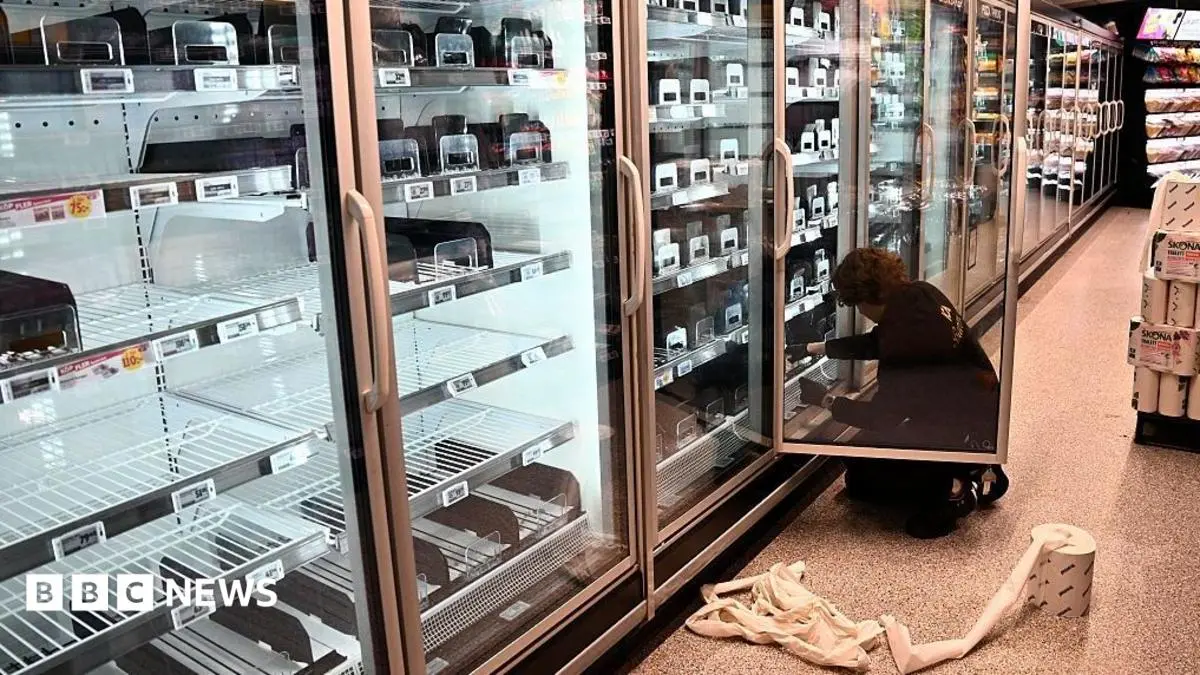
Malicious Code Targets Retail Cooling Units
Dozens of grocery stores across Sweden, Belgium, and Ireland experienced mysterious temperature spikes in their refrigeration units this week, pointing to a coordinated cyber-attack targeting retail infrastructure. The malicious digital intrusion forced freezers to dangerously high levels, threatening millions of euros worth of perishable food stocks in multiple countries.
The security breach disrupted operations at approximately forty Delhaize locations in Belgium and Luxembourg. Several ICA and Coop retail outlets in Sweden also fell victim to the digital sabotage. Security teams discovered that at least one Swedish supermarket suffered settings adjustments that pushed freezer temperatures up to 50 degrees Celsius. Thirteen SuperValu stores in Ireland encountered similar refrigeration failures during the sudden incident.
How Vulnerable Are Food Supply Chains?
Investigators suspect that an outside hacker manipulated the central climate control software used by the affected supermarket chains. Modern grocery stores rely heavily on interconnected digital networks to monitor energy usage and maintain strict food safety standards. By bypassing digital security barriers, unauthorized actors managed to override safety protocols and disable normal cooling cycles.
Retail executives scrambled to manually reset temperature controls and assess the full extent of the inventory damage. Technicians worked overnight to isolate affected systems and prevent further tampering with the automated store management networks. While insurance adjusters calculate the financial toll, cybersecurity specialists are analyzing server logs to trace the origin of the digital intrusion.
The recent cyber assault highlights significant security gaps within modern retail logistics and automated building management systems. As grocery chains adopt smart technologies for inventory management, they simultaneously expand their digital attack surface for malicious actors. Industry experts warn that critical food infrastructure requires much stronger encryption and multi-factor authentication to prevent catastrophic spoilage events.
Frequently Asked Questions
Retail associations across Europe are now urging members to conduct immediate audits of their operational technology networks. Investigators continue to examine whether the attackers demanded a ransom or simply intended to cause widespread disruption to the European food supply chain. Further security patches are expected to roll out across the affected supermarket networks in the coming days.
Q: Which countries were affected by the cyber-attack? A: Sweden, Belgium, Luxembourg, and Ireland experienced refrigeration disruptions at various supermarket locations.