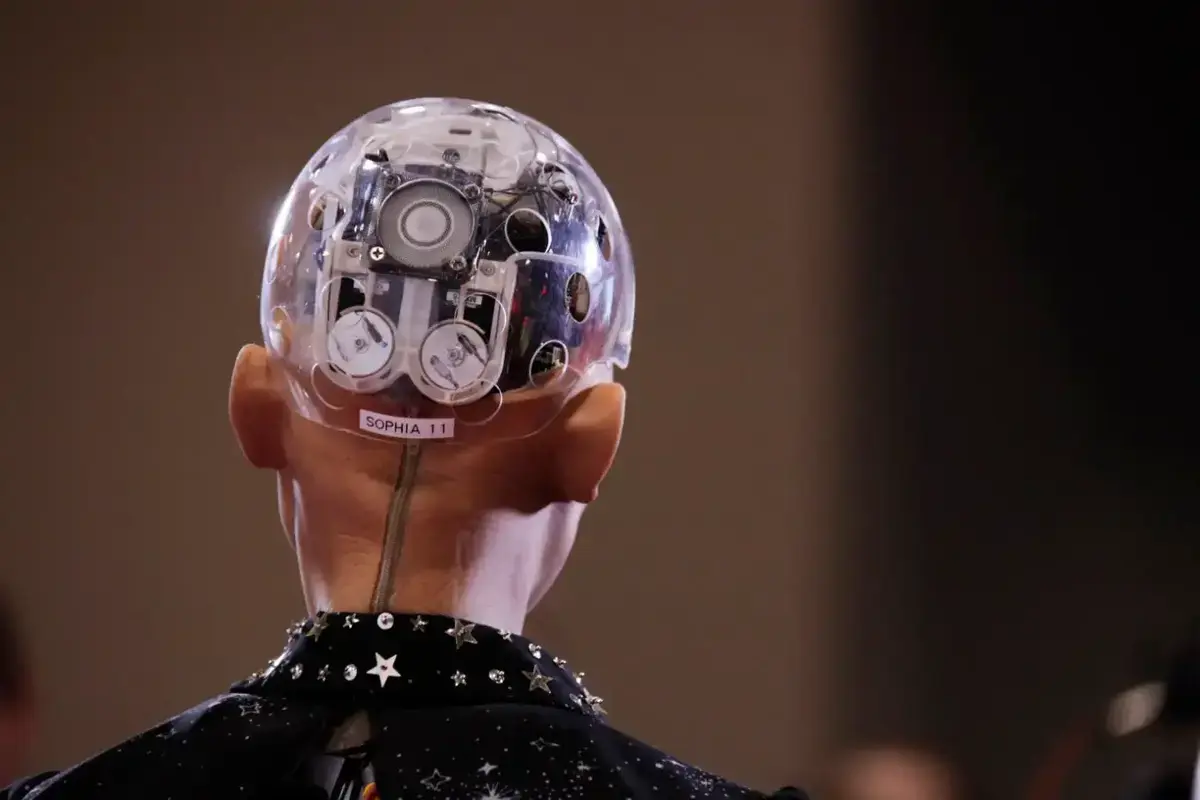
The Human Cost of Automation
The book delves into the consequences of treating humans like machines, highlighting the contortions people make to fit into this new work paradigm. As technology advances, the lines between human and machine are becoming increasingly blurred.
O' Connor's work reveals that the pressure to be more machine-like is taking a toll on employees. They are being forced to adopt rigid schedules, prioritize efficiency over creativity, and suppress their emotions to maintain a professional demeanor. This can lead to burnout and dissatisfaction.
The author argues that this trend is not only detrimental to workers' well-being but also counterproductive. By stifling human intuition and creativity, businesses may be missing out on innovative solutions and unique perspectives.
Can Humans and Machines Coexist?
As AI becomes more pervasive, it's essential to consider how humans and machines can work together effectively. O' Connor suggests that by acknowledging the strengths and limitations of both humans and machines, we can create a more harmonious and productive work environment.
The consequences of failing to strike this balance could be severe. If workers continue to be treated like machines, we risk losing the creativity, empathy, and problem-solving skills that make humans valuable.
Frequently Asked Questions
What is the main argument of „We Are Not Machines”? The book argues that treating humans like machines is counterproductive and detrimental to workers' well-being. It highlights the need for a more balanced approach to integrating AI into the workplace.
How can humans and machines work together effectively? By acknowledging the strengths and limitations of both humans and machines, we can create a more harmonious and productive work environment.
What are the consequences of failing to strike a balance between humans and machines? We risk losing the creativity, empathy, and problem-solving skills that make humans valuable, ultimately harming businesses and society as a whole.