Balancing Economic Growth and Resource Preservation
Artificial intelligence infrastructure has emerged as a deeply divisive campaign issue across various Native American communities, with tribal candidates sharply divided on how to approach massive data center development projects in their territories.
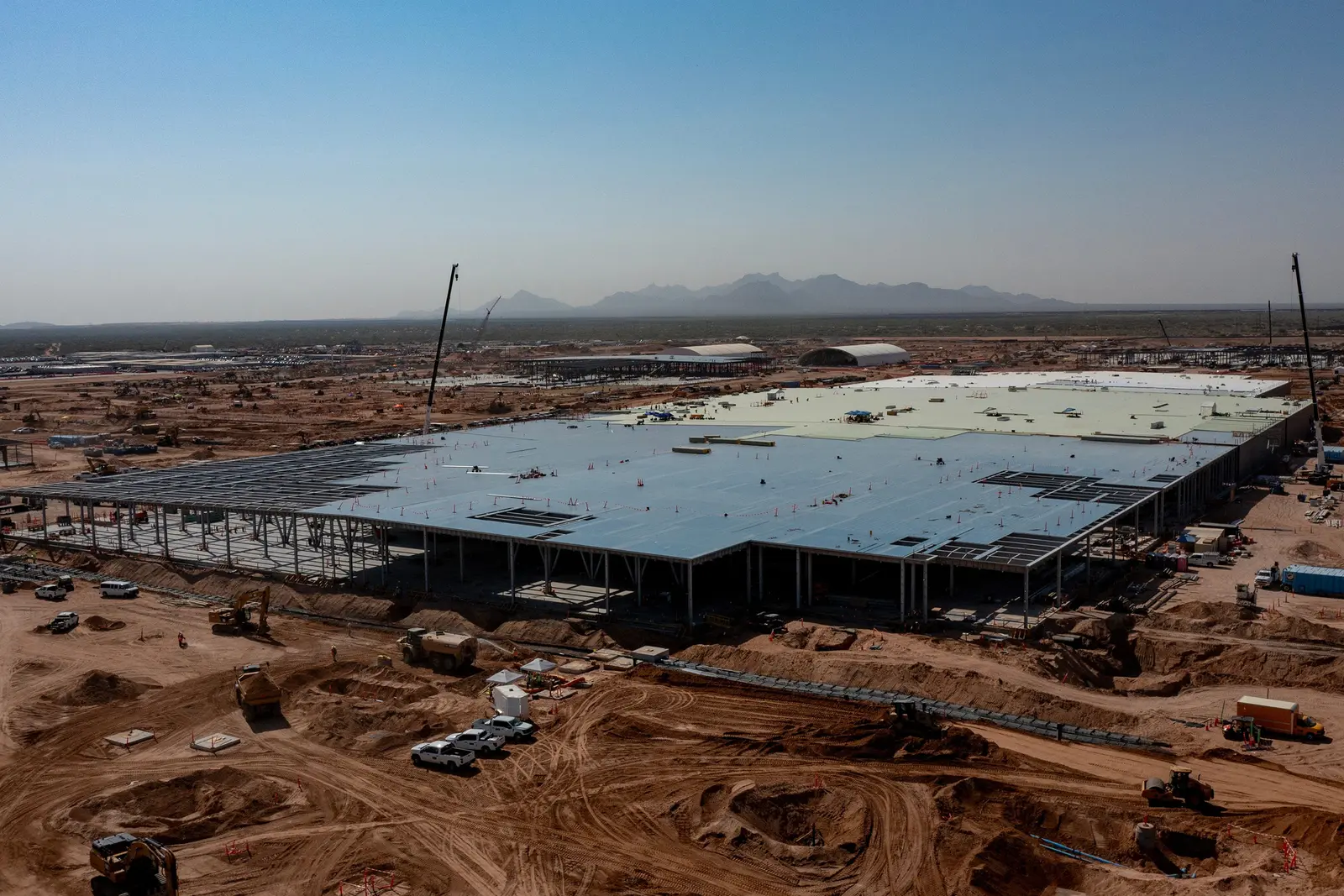
In Santa Teresa, New Mexico, heavy machinery and water trucks continue to shape the landscape of Oracle's massive Project Jupiter data center complex. As construction moves forward, local populations find themselves at the center of a modern technological gold rush that brings both economic promises and environmental concerns.
The rapid expansion of artificial intelligence requires vast amounts of electricity and water resources, creating intense pressure on surrounding regions. Tribal leaders face difficult choices regarding whether to welcome these multi-million-dollar tech hubs or protect their ancestral lands from depletion.
Are Indigenous Communities Prepared for the Tech Boom?
Proponents of the data centers argue that the projects generate crucial jobs and vital tax revenue for impoverished reservations. Critics, however, warn that heavy resource consumption could permanently harm local ecosystems and strain existing utility grids.
Political campaigns throughout the region now frequently center on technological development, yet consensus remains elusive among tribal voters. Candidates offer contrasting visions for the future, leaving communities to weigh immediate financial gains against long-term environmental sustainability.
Frequently Asked Questions
As tech corporations continue scouring the American Southwest for affordable land and lax regulations, tribal sovereignty faces unprecedented tests. The ultimate decisions made by these communities will likely shape the regional balance of power between Silicon Valley ambitions and indigenous land rights for decades.
What is Project Jupiter? Project Jupiter is a massive data center complex developed by Oracle in Santa Teresa, New Mexico. It represents the growing footprint of artificial intelligence infrastructure in the American Southwest.
Why are tribal candidates divided? Candidates hold opposing views on whether the economic benefits of tech infrastructure outweigh the risks of heavy water and power consumption.