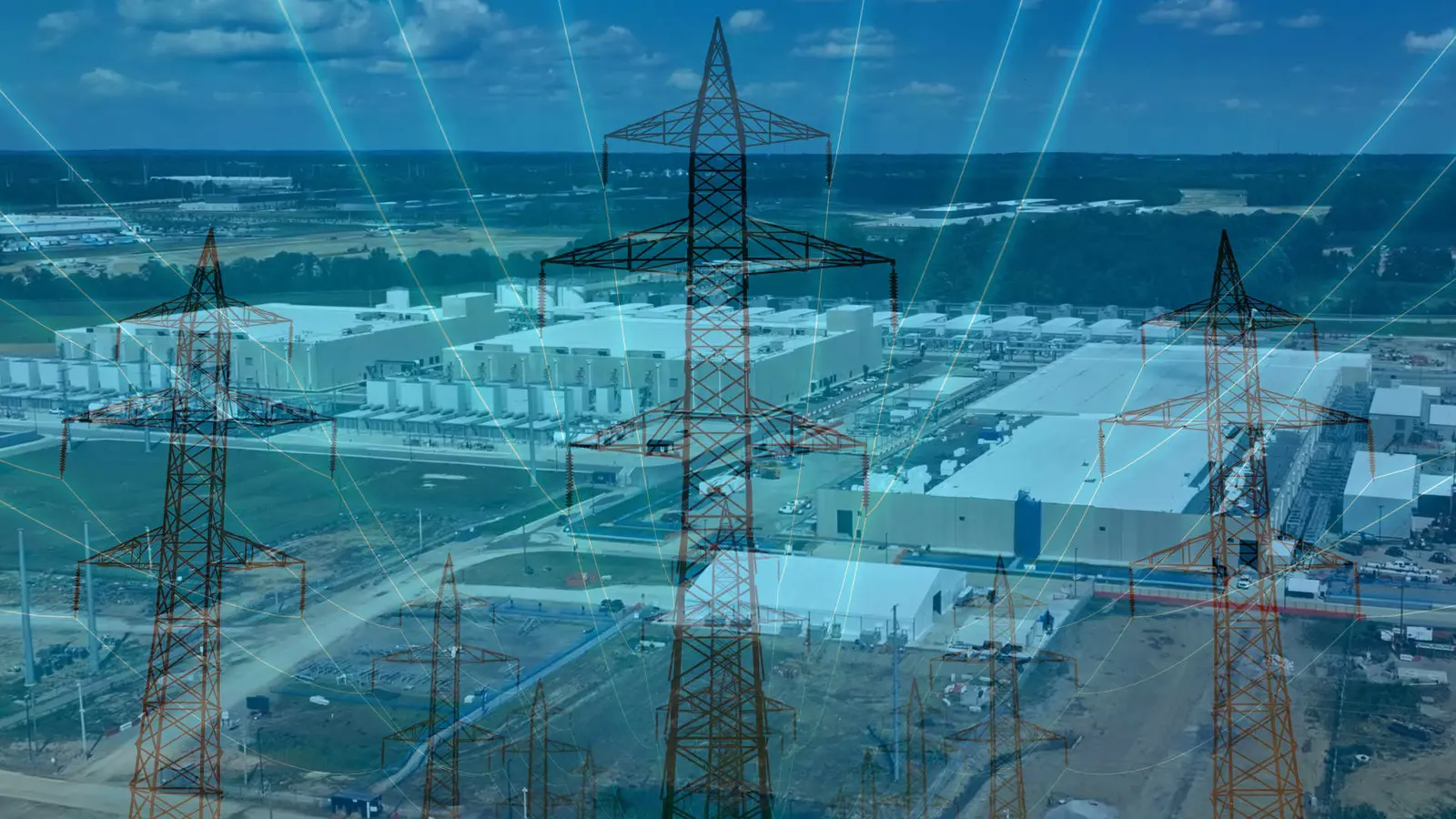
Grid operators are now using advanced forecasting tools and real-time monitoring to balance loads and prevent outages
AI data centers are rapidly expanding across the United States, creating a surge in electricity demand that is testing the limits of the nation’s aging power infrastructure. Tech companies are racing to secure reliable energy supplies to support the growing computational needs of artificial intelligence systems, prompting urgent upgrades to transmission lines, substations, and grid management systems. This shift is forcing utilities and regulators to rethink how electricity is generated, distributed, and consumed in real time. The surge in power demand from AI facilities is unlike anything seen before, with some individual data centers consuming as much electricity as a small city. Companies like Google, Microsoft, and others are investing heavily in renewable energy partnerships and on-site power generation to meet their sustainability goals while ensuring uninterrupted operations.
Grid operators are now using advanced forecasting tools and real-time monitoring to balance loads and prevent outages, as the timing and location of AI workloads create unpredictable spikes in demand. These challenges are accelerating investments in smart grid technology and energy storage solutions. How are utilities adapting to the sudden rise in AI-driven power consumption? Utilities are responding by accelerating infrastructure investments, including the deployment of high-capacity transmission lines and grid-enhancing technologies that improve efficiency without building new power plants. Many are also revising interconnection processes to speed up the approval of new data center projects while ensuring grid stability.
In regions like Virginia and Texas, where data center clusters are growing fastest
In regions like Virginia and Texas, where data center clusters are growing fastest, regulators are working with tech firms to develop flexible load management programs that allow AI facilities to reduce power use during peak periods. What role does renewable energy play in powering the AI boom? Renewable energy is becoming a cornerstone of AI data center power strategies, with major tech firms signing long-term contracts for wind and solar power to match their hourly electricity consumption. Some companies are even investing directly in new renewable projects to ensure additionality, meaning their purchases lead to new clean energy being added to the grid. This trend is helping drive record levels of corporate renewable procurement, which in turn is encouraging utilities to expand clean energy offerings and modernize grid integration for variable power sources. Frequently Asked Questions How much electricity do AI data centers use compared to other industries?
AI data centers are among the fastest-growing electricity consumers in the country, with some facilities using over 100 megawatts of power—equivalent to the annual usage of tens of thousands of homes—and their collective demand is projected to grow significantly over the next decade. Are AI data centers causing power shortages in local communities? While no widespread blackouts have been directly attributed to AI data centers yet, their concentrated growth in certain areas is straining local distribution systems and prompting utilities to upgrade transformers, substations, and feeder lines to prevent overloads during peak times. Can the current grid handle future AI energy demands without major upgrades? Experts agree that the existing grid will require substantial modernization, including expanded transmission capacity, advanced grid management software, and greater energy storage, to reliably support the projected growth of AI infrastructure without compromising service to other customers.