The AI Investment Boom: A Historical Parallel
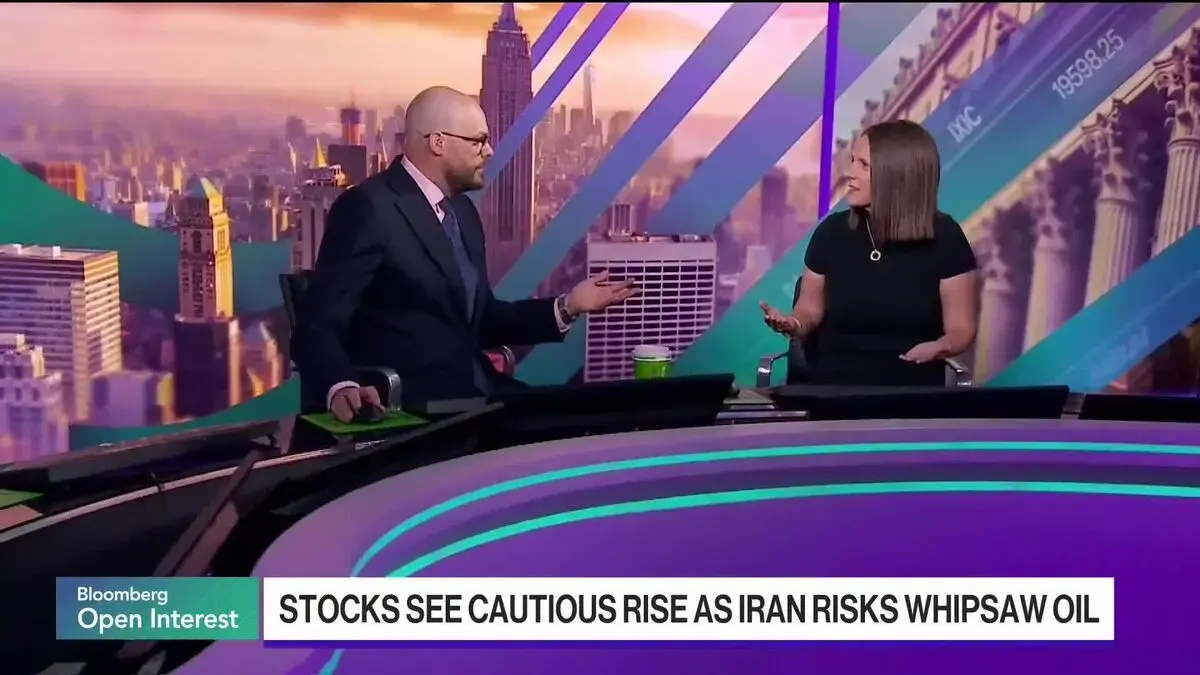
Wall Street investors are now scrutinizing companies' artificial intelligence spending, seeking tangible proof of returns. This shift comes as investment strategist Katrina Dudley of Franklin Templeton notes a change in investor sentiment. She discussed this trend on Bloomberg Open Interest recently.
The enthusiasm for AI has driven significant investments, but investors are growing impatient for concrete results. Dudley likens the current AI investment boom to historical infrastructure investments, such as the railroad boom, where initial enthusiasm was followed by a period of consolidation.
Can AI Deliver on Its Promise?
Dudley draws a comparison between AI investments and SpaceX's massive spending on space exploration, suggesting that both represent significant bets on future technological advancements. She argues that AI is enhancing worker productivity, which could lead to increased profitability.
Investors are no longer content with promises of future AI-driven growth; they require evidence of its impact on companies' bottom lines. This change in investor expectations is driving companies to focus on demonstrating the tangible benefits of their AI investments.
As companies continue to invest heavily in AI, the question remains whether these investments will yield significant returns. Dudley's insights suggest that AI is already enhancing productivity, but the extent to which this translates into profits remains to be seen.
Frequently Asked Questions
The consequences of failing to deliver on AI's promise could be significant, with investors potentially reevaluating their investments in companies that fail to demonstrate tangible returns. As the industry continues to evolve, companies that can effectively harness AI to drive growth are likely to be rewarded.
What are investors looking for in AI investments? Investors now seek tangible proof of returns from AI spending, rather than just promises of future growth. How is AI enhancing worker productivity? AI is being used to streamline processes and improve efficiency, leading to increased productivity. What happens if AI investments fail to deliver returns? Companies that fail to demonstrate tangible returns from AI investments risk being reevaluated by investors, potentially leading to a decrease in their valuation.