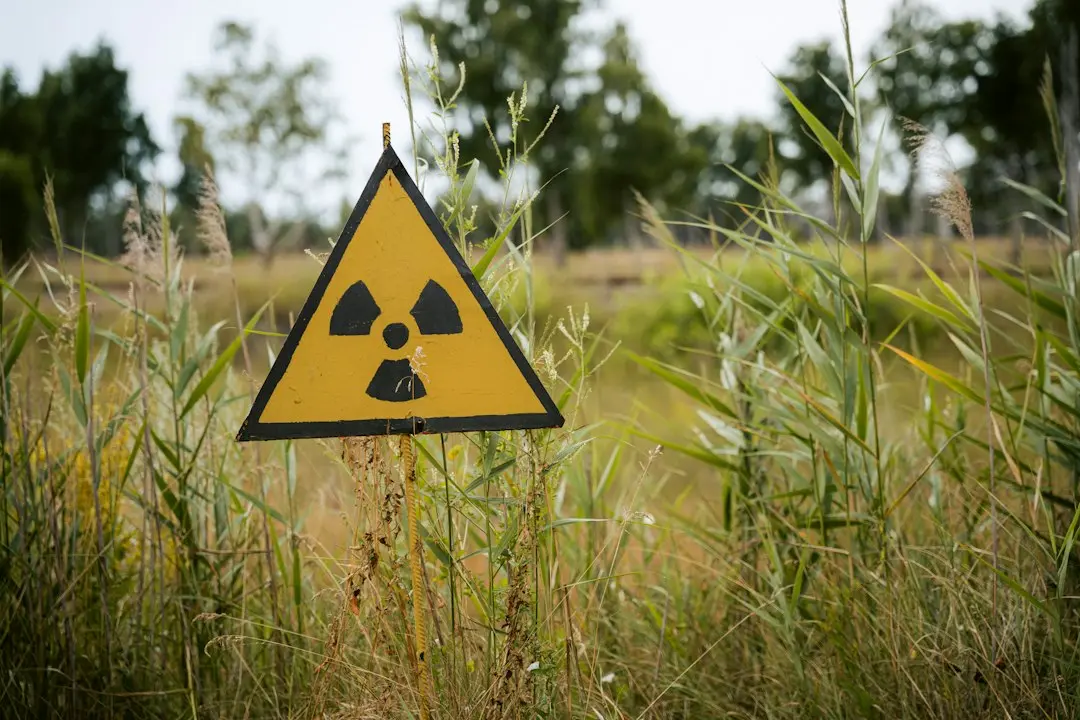
The Limits of Historical Parallel
As artificial intelligence advances, experts increasingly invoke Cold War nuclear history to guide regulation. However, scholars argue this comparison leads to flawed policy decisions. The analogy suggests AI development resembles the atomic arms race, but key differences complicate this narrative.
Christopher LaRoche of Central European University and Ankit Panda contend that nuclear deterrence theory does not translate well to AI governance. Unlike nuclear weapons, AI capabilities evolve rapidly and remain accessible to multiple actors. The closed nature of nuclear technology contrasts sharply with AI's open development landscape.
Nuclear weapons required massive state investment and specialized infrastructure. Only a handful of nations ever developed them. AI systems, particularly software-based models, can be replicated and distributed globally with minimal resources. This fundamental difference undermines deterrence frameworks borrowed from nuclear strategy.
Can History Repeat Itself Safely?
Furthermore, nuclear deterrence relied on mutual assured destruction preventing conflict escalation. AI lacks such clear catastrophic boundaries. Autonomous systems might trigger unintended conflicts without equivalent retaliatory guarantees. The binary nature of nuclear warfare contrasts with AI's spectrum of potential misuses.
Policymakers face pressure to regulate AI before catastrophic risks materialize. Yet historical parallels may obscure more than they illuminate. Nuclear nonproliferation treaties emerged after devastating weapons already existed. AI regulation must anticipate threats before deployment rather than respond afterward.
The authors suggest focusing on AI-specific governance mechanisms rather than nuclear-inspired frameworks. International cooperation remains crucial, but tailored approaches addressing AI's unique characteristics prove more effective than historical mimicry.
Frequently Asked Questions
What makes AI different from nuclear weapons in terms of regulation? Nuclear technology required enormous capital and state control, while AI development is decentralized and rapidly evolving across many actors globally.
Why do experts caution against nuclear-AI analogies? The analogy promotes policies based on deterrence theory that doesn't account for AI's accessibility, speed of development, or diverse applications beyond warfare.
What alternative approaches do scholars recommend? Focus on AI-specific governance addressing its unique risks rather than applying nuclear-era frameworks that may miss critical distinctions.