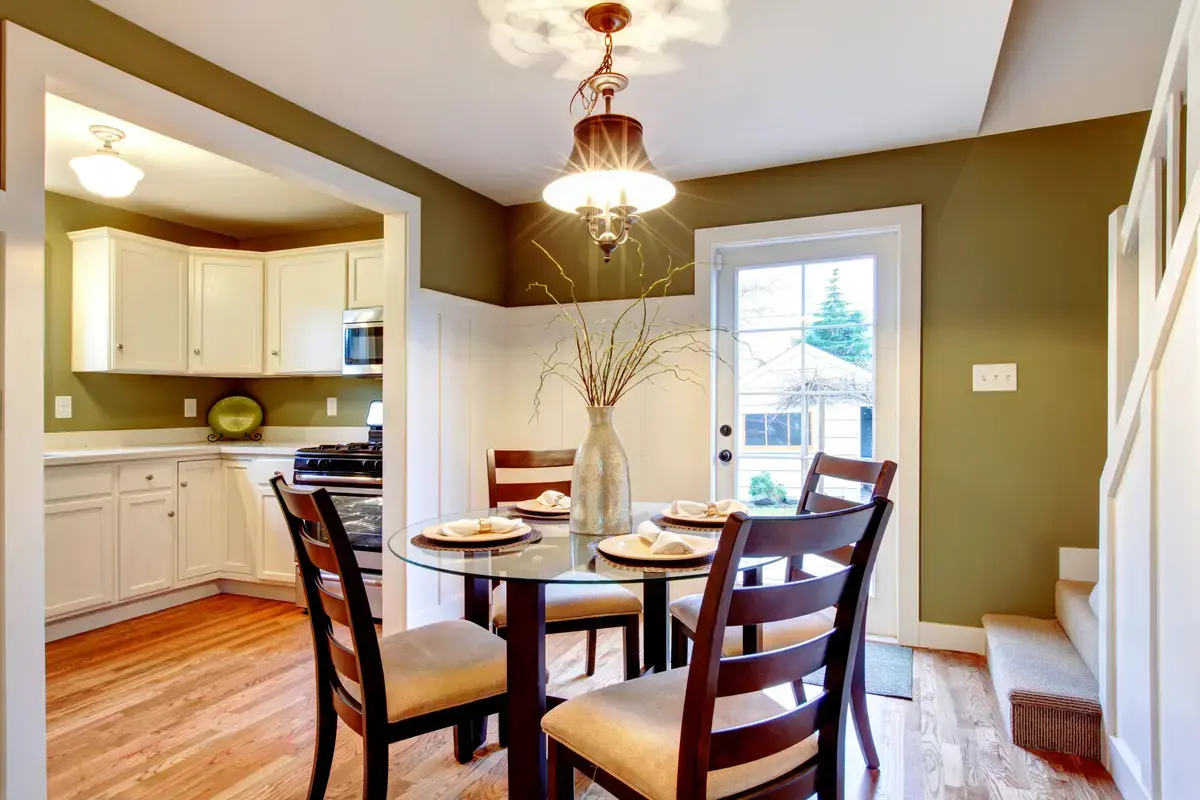
The Power of Layered Illumination
Interior designers warn that poor lighting choices can significantly detract from a home's atmosphere. Many homeowners inadvertently create spaces that feel unwelcoming or uncomfortable due to these common mistakes. Understanding basic lighting principles is crucial for a well-designed living environment.
The key to effective home lighting lies in a technique called layering. This involves combining different types of light sources to achieve a balanced and functional space. Without this approach, rooms often lack depth and visual interest, appearing flat and uninviting.
Layering light means incorporating ambient, task, and accent lighting. Ambient light provides overall illumination, preventing dark corners and shadows. Task lighting focuses on specific areas, like a reading nook or kitchen counter, making activities easier. Accent lighting highlights architectural features or artwork, adding drama and personality. Neglecting any of these layers can leave a room feeling incomplete. For instance, relying solely on overhead lights can create a harsh, institutional feel, while too many dim lamps might make a space seem gloomy.
Are You Making These Bright Blunders?
One frequent error is using light fixtures that are too small for the room. A tiny chandelier in a large dining room will look out of place and fail to adequately light the space. Another mistake is choosing the wrong color temperature for bulbs. Warm, soft light often suits living areas, while cooler, brighter light is better for workspaces. Overlooking dimmer switches is also a missed opportunity; they allow for flexible lighting moods throughout the day and evening.
These oversights can lead to rooms that are either too bright and sterile or too dark and uninviting. Correcting these issues can dramatically improve a home's comfort and aesthetic appeal. Thoughtful lighting design transforms a house into a truly welcoming home.
Frequently Asked Questions
What is ambient lighting? Ambient lighting provides the general illumination for a room. It ensures there are no dark spots and creates a comfortable base level of light for the entire space.
Why is task lighting important? Task lighting is crucial for specific activities like reading, cooking, or working at a desk. It focuses light directly where it is needed, reducing eye strain and improving functionality.
How does accent lighting enhance a room? Accent lighting draws attention to particular features, such as artwork, plants, or architectural details. It adds depth, visual interest, and a touch of sophistication to the overall design.