Roots in the Ottoman and Mamluk Eras
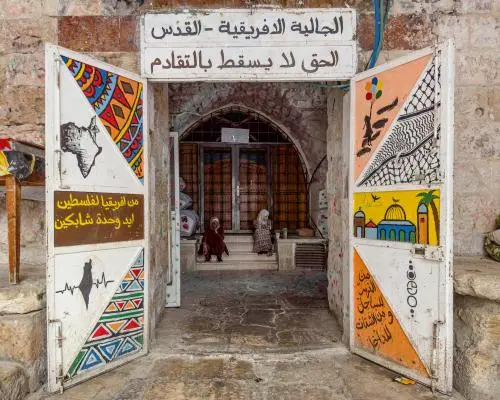
In occupied East Jerusalem, a small but resilient community of African Palestinians persists despite decades of military rule. This week, we explore their unique history and how they remain both integrated and marginalized in the Old City.
The community numbers roughly 450 people, mostly residing in the historical buildings of the Old City. They represent a distinct diaspora within the broader Palestinian population. Their presence challenges the narrative of a homogeneous society.
These families trace their ancestry to the Mamluk and Ottoman periods. Many arrived centuries ago and stayed, building deep ties to the land. Their heritage blends African and Arab traditions. This fusion creates a cultural identity that resists easy categorization.
How Does the Occupation Shape Their Daily Life?
Despite the occupation, African Palestinians maintain distinct cultural practices. Music, dance, and cuisine reflect this hybrid identity. They serve as living bridges between continents and centuries.
Military checkpoints and curfews disrupt their routines. Access to homes and markets requires permits. Many face discrimination from both Israeli authorities and some local Palestinians. Yet, they adapt by forming tight-knit support networks.
The community organizes cultural events to preserve their traditions. These gatherings strengthen internal bonds and raise external awareness. Young members balance modern life with ancestral customs.
Frequently Asked Questions
How many African Palestinians live in East Jerusalem? About 450 individuals make up this community. They primarily inhabit the Old City’s historic structures.
What is the historical origin of this group? Their roots trace back to the Mamluk and Ottoman eras. They have lived in Jerusalem for centuries.
How do they maintain their cultural identity under occupation? They rely on community events and family traditions. Music and cuisine play key roles in preservation.