Why the shelter and ventilation systems are critical
Britain has committed £17 million to fund urgent repairs at the Chornobyl nuclear power plant following a Russian drone attack last year. The funding will support restoration of the plant’s protective shelter and ventilation systems, which were damaged in the strike. The move comes as concerns grow over long-term structural integrity and potential corrosion risks at the site.
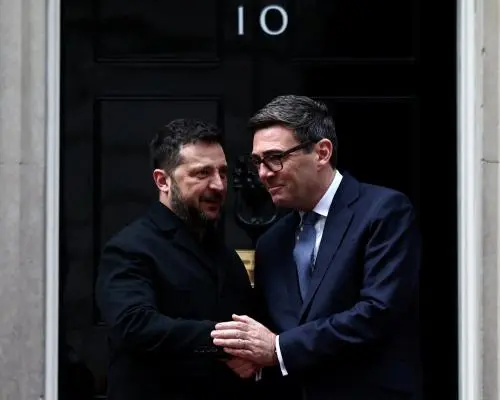
The financial contribution forms part of broader UK efforts to bolster Ukraine’s resilience amid ongoing conflict and uncertainty about sustained US support. British officials, including Greater Manchester Mayor Andy Burnham, have emphasized the importance of maintaining safety at nuclear facilities in Ukraine. The Chornobyl site, though no longer generating power, requires continuous maintenance to prevent radiation leaks. Experts warn that delayed repairs could increase environmental and health hazards over time.
How will the funds be used on the ground?
The damaged structures play a vital role in containing residual radiation from the 1986 disaster. The shelter, often referred to as the New Safe Confinement, was designed to prevent further degradation of the original sarcophagus. Ventilation systems help regulate humidity and prevent buildup of corrosive gases inside the enclosure. Without proper airflow, metal components risk accelerated deterioration, threatening the integrity of the entire containment structure. UK funds will specifically target these systems to ensure they meet safety standards.
The £17 million will be channeled through international partners working directly at the Chornobyl site. Contracts will prioritize procurement of corrosion-resistant materials and technical expertise for structural assessments. Work will focus on sealing breaches in the shelter’s outer layer and upgrading ventilation units to handle extreme weather conditions. Monitoring equipment will also be installed to track real-time changes in radiation levels and structural stress. British officials say the aid aims to extend the lifespan of the current safety infrastructure by at least a decade.
What happens if repairs are delayed further?
Experts caution that postponing maintenance could lead to irreversible damage, increasing the risk of radioactive particle release. While no immediate threat exists, long-term exposure to moisture and temperature fluctuations may weaken steel components over time. Such degradation could complicate future decommissioning efforts and raise costs significantly. International agencies have repeatedly warned that the Chornobyl site remains a fragile asset requiring consistent investment. The UK’s contribution is seen as a timely intervention to prevent avoidable deterioration.
Is the Chornobyl plant still dangerous today? Although the reactors are inactive, the site contains radioactive material that requires constant monitoring. The main risk comes from potential structural failure of containment systems, which could allow dust or particles to escape. Ongoing maintenance is essential to prevent such scenarios.
Frequently Asked Questions
Why is Britain funding repairs instead of other nations? The UK has positioned itself as a key supporter of Ukraine’s infrastructure resilience, particularly in energy and nuclear safety. While other countries contribute to humanitarian and military aid, Britain has focused on specific technical projects like this one to address long-term vulnerabilities.
Will this funding cover all needed repairs at Chornobyl? No, the £17 million targets only the most critical damages from the drone attack, specifically the shelter and ventilation. Additional funding will be required for broader site maintenance, but this intervention addresses urgent priorities identified by international experts.