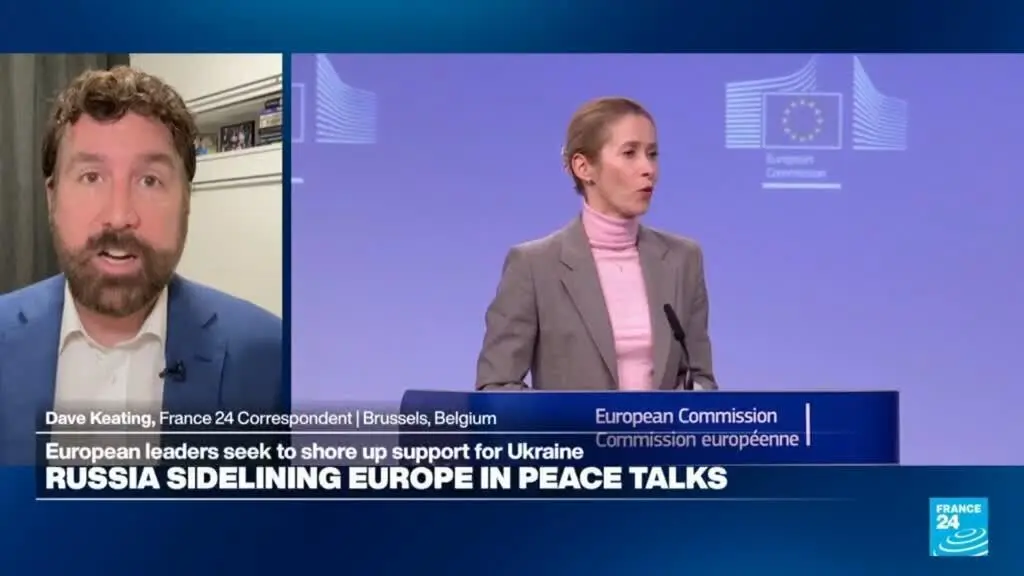
Navigating the Complexities of European Mediation
As the conflict between Russia and Ukraine intensifies through ongoing military strikes, international focus has shifted toward potential peace negotiations. A significant diplomatic dispute has surfaced regarding which entity should represent the European Union at the table. This debate complicates efforts to establish a unified front for future ceasefire discussions.
The friction stems from differing views on the EU’s role as a mediator versus a direct stakeholder. While Ukraine seeks firm support from its Western allies, Russia has consistently questioned the neutrality of European representatives. This disagreement has stalled preliminary talks, leaving the structure of any future peace summit in a state of uncertainty.
Diplomats are currently struggling to define the scope of the EU's involvement in the peace process. Some member states argue that the bloc must speak with a single voice to maintain leverage. Others fear that over-involvement could provoke further escalation from the Kremlin, which views the EU as an extension of NATO's influence.
Can a Unified European Voice Influence the Outcome?
The internal debate reflects broader tensions within the continent regarding how to approach a resolution. Without a clear consensus on representation, the European Union remains sidelined in high-level discussions. This lack of unity provides a tactical advantage to those who prefer bilateral negotiations over multilateral frameworks.
The absence of a designated EU representative creates a vacuum that other global powers are eager to fill. If the bloc fails to resolve its internal disputes, its ability to shape the terms of a post-war settlement will likely diminish. The ongoing struggle for representation underscores the fragility of diplomatic efforts in the current climate.
Frequently Asked Questions
Moving forward, the effectiveness of any peace initiative will depend on the ability of European leaders to align their interests. If they cannot agree on a representative, the path toward a sustainable ceasefire will remain blocked by procedural infighting. The coming weeks will be critical in determining whether the EU can present a coherent strategy.
Why is there a disagreement over EU representation? The dispute arises from conflicting views on whether the EU should act as a neutral mediator or a direct party to the conflict. Member states are struggling to reach a consensus on how to present a unified diplomatic front.
What are the risks of this internal debate? The lack of a clear representative weakens the EU's influence on the international stage. It allows other global powers to dominate the conversation and potentially sidelines European interests in future peace agreements.