The Missing Pieces in the Editorial’s Narrative
Addis Ababa – In a letter addressed to a prominent newspaper, Biruk Mekonnen, Ethiopia’s ambassador to the United Nations, challenged an October 8 editorial that he says offers a one‑sided view of the war in Tigray. Mekonnen argues the piece unfairly portrays Ethiopia’s national security concerns as the primary driver of regional unrest while neglecting the role of other parties, including neighboring states and armed factions. He also takes issue with the article’s casual reference to the Nobel Peace Prize, suggesting it trivializes the deep‑rooted grievances that have fueled the conflict since November 2020.
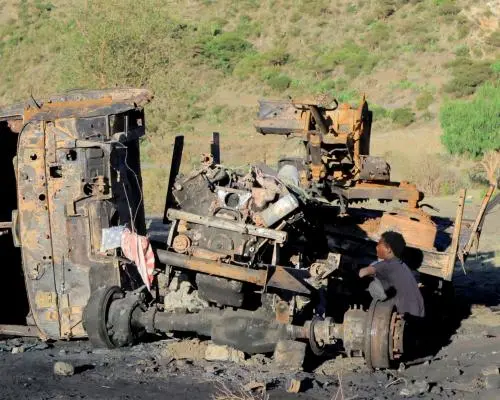
Mekonnen’s response underscores the complexity of the Tigray war, which began when federal forces launched a military operation against the Tigray People’s Liberation Front (TPLF) after months of political deadlock. The conflict has displaced millions, caused widespread famine, and drawn accusations of war crimes from international observers. Ethiopia’s government maintains that its actions were necessary to restore constitutional order and protect civilians from TPLF attacks. Critics, however, point to alleged atrocities committed by both sides and to the involvement of Eritrean troops, whose presence has further strained diplomatic ties.
The ambassador highlights several omissions he believes distort public understanding. First, he notes that the editorial fails to acknowledge the TPLF’s own history of armed rebellion and its alleged stockpiling of weapons, which contributed to the escalation. Second, Mekonnen stresses that external actors, notably Eritrea and certain regional militias, have played decisive roles in prolonging hostilities, yet the article barely mentions them. He also contends that the piece overlooks Ethiopia’s diplomatic efforts, including recent cease‑fire talks mediated by the African Union, which aim to secure humanitarian access and pave the way for a political settlement.
Does the Nobel Peace Prize Reference Undermine the Gravity of the Conflict?
Mekonnen writes, „A balanced account must recognize that Ethiopia’s sovereignty and territorial integrity are at stake, and that the government is navigating a perilous security environment while seeking to alleviate human suffering.” He warns that portraying Ethiopia solely as an aggressor could embolden hostile forces and undermine ongoing peace initiatives.
The editorial’s allusion to the Nobel Peace Prize, awarded to Ethiopian Prime Minister Abiy Ahmed in 2019, sparked particular ire. Mekonnen argues that invoking the award without context reduces a complex humanitarian crisis to a symbolic footnote. „The Nobel accolade was granted for reforms that promised hope,” he says, „but it does not excuse the tragic loss of life and displacement that have unfolded since the war erupted.” He calls for journalists to separate symbolic recognitions from the stark realities on the ground, urging coverage that reflects both achievements and failures.
The ambassador’s letter calls for a more nuanced discourse that examines all actors, acknowledges Ethiopia’s security dilemmas, and respects the suffering of Tigray’s civilian population. He urges the international community to support inclusive dialogue rather than adopt narratives that single out one side.
Frequently Asked Questions
What sparked the Tigray war? The conflict began in November 2020 after the federal government accused the Tigray People’s Liberation Front of attacking a military base and violating the constitution, prompting a large‑scale military offensive.
Why is Eritrea mentioned in the dispute? Eritrean forces entered Tigray in support of Ethiopian troops, citing security concerns over the TPLF. Their involvement has been condemned by human rights groups for alleged atrocities.
What are the prospects for peace? Cease‑fire talks mediated by the African Union are ongoing. Success depends on mutual concessions, the withdrawal of foreign troops, and sustained humanitarian aid to address famine and displacement.