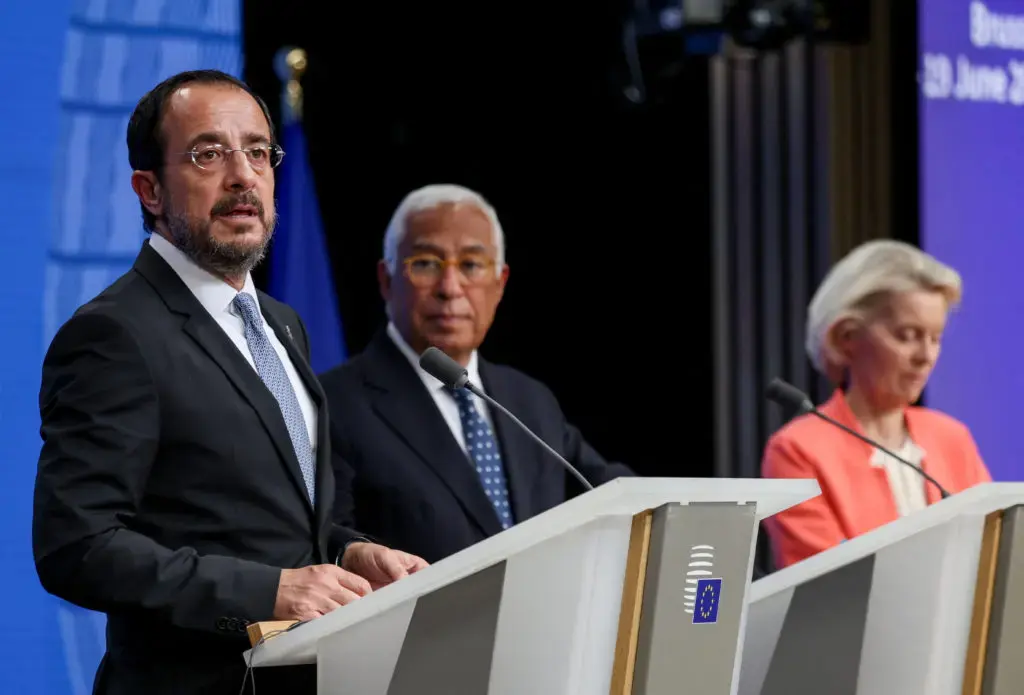
A Delicate Balancing Act
European Union leaders are at odds over establishing a secret communication channel with Russia amidst the ongoing conflict in Ukraine. A high-ranking EU official has already set up a temporary channel. The move has sparked debate among EU leaders.
The EU official's decision to establish a provisional channel with Russia has been met with reservations from some EU leaders. The channel is intended to facilitate communication between the EU and Russia.
Can Diplomacy Prevail?
The creation of a back-channel with the Kremlin is a sensitive issue, with some EU leaders concerned it may be seen as a sign of weakness. Others argue it is necessary for diplomatic efforts. The EU official's move has highlighted the divisions within the EU.
Some EU leaders are worried that establishing a back-channel will undermine the EU's stance on Russia's actions in Ukraine. Others believe it could help prevent further escalation.
The EU's ability to present a united front on the issue will be crucial in determining the outcome. If a back-channel is established, it could potentially lead to a shift in the EU's approach to Russia.
Frequently Asked Questions
The consequences of the EU's decision will be far-reaching, with implications for the ongoing conflict in Ukraine and the EU's relations with Russia. The EU's response will be closely watched in the coming weeks.
What is a back-channel? A back-channel is a secret communication channel used for diplomatic purposes. It allows parties to communicate without being publicly visible. Why is the EU considering a back-channel with Russia? The EU is considering a back-channel to facilitate diplomatic efforts and potentially prevent further escalation. Will the back-channel lead to a change in the EU's stance on Russia? The establishment of a back-channel does not necessarily mean the EU will change its stance on Russia's actions in Ukraine.