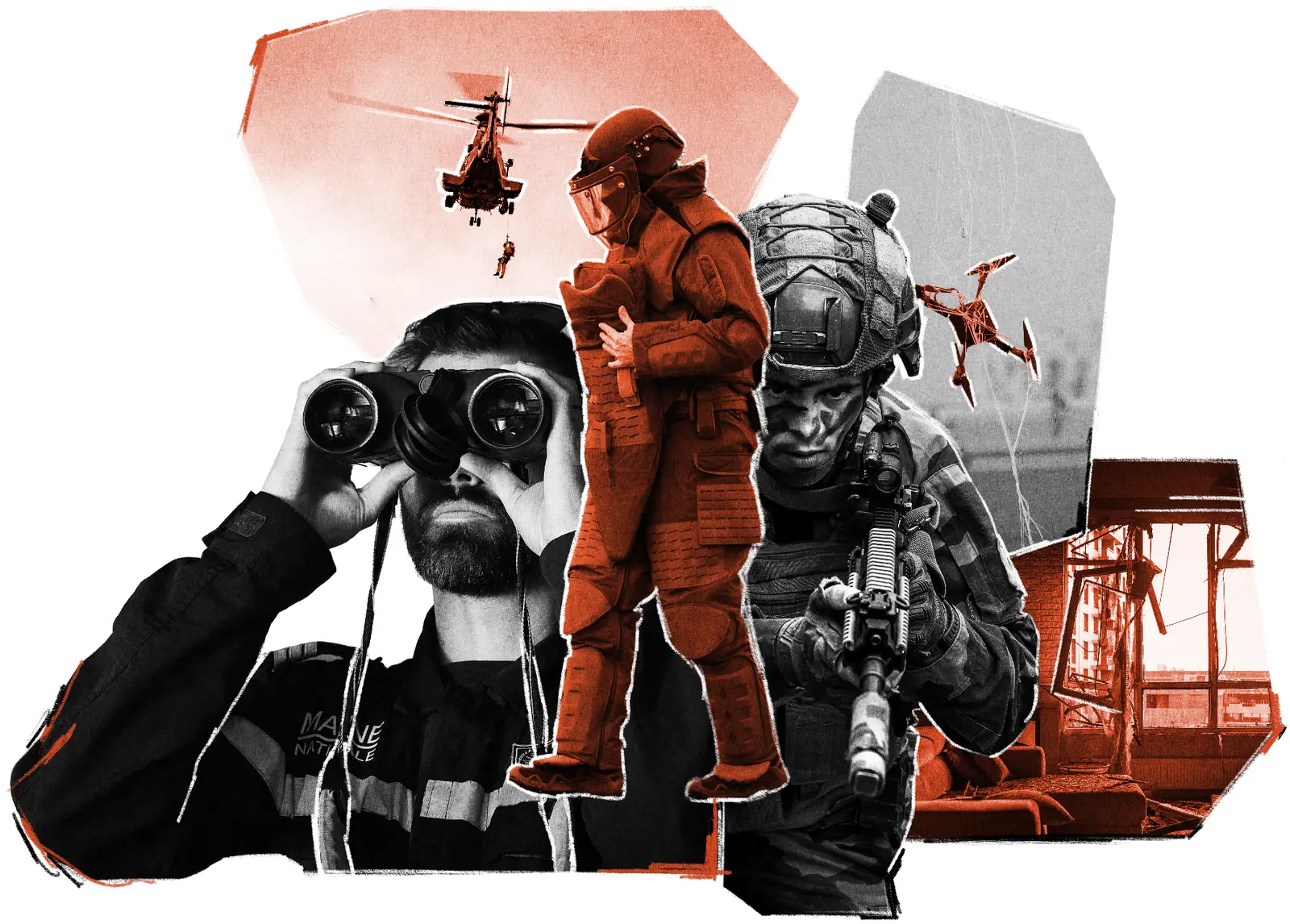
Balancing Civil and Military Response Roles
European Union diplomats are quietly drafting protocols for a potential hybrid attack causing multiple casualties. These discussions focus on emergency response teams, funding mechanisms, and crisis communication strategies. The work remains behind closed doors in Brussels. Some national capitals warn that these efforts risk duplicating existing NATO capabilities.
The bloc aims to prepare for a nightmare scenario involving coordinated disinformation and physical sabotage. Officials are examining how to coordinate rapid medical and logistical support across borders. They seek to ensure a unified response when individual member states are overwhelmed. The focus is on filling gaps in current civil protection frameworks.
Diplomats are debating the specific mandate for new emergency units. They want to clarify the division of labor between civilian agencies and military forces. A key concern is avoiding overlap with NATO’s defense structures. Several foreign ministers argue that Brussels should stick to civil protection. They fear that expanding into security domains could strain transatlantic relations. The EU lacks a single command structure for such crises. Current mechanisms rely heavily on voluntary cooperation between states. This often leads to delays in critical situations.
Can Brussels Avoid Overlapping with NATO?
Critics point out that funding remains a major hurdle. The European Commission has proposed new budget lines for resilience. However, member states disagree on the scale of investment. Some nations prioritize national defense budgets over shared EU funds. Others argue that a collective approach is more cost-effective. The debate highlights deep divisions over sovereignty and security.
The central question is whether the EU can operate effectively alongside NATO. Military experts suggest that civil and military responses must be tightly integrated. Without clear protocols, confusion could hamper rescue efforts. Diplomats are drafting guidelines to define when military assets can be deployed. They aim to create a seamless handover between civilian and defense sectors. This requires new legal frameworks and training programs.
Some capitals remain skeptical of the initiative’s utility. They believe existing EU mechanisms are sufficient for most threats. Others see the need for a dedicated crisis management tool. The hybrid nature of modern threats complicates traditional defense planning. Disinformation campaigns often precede physical attacks. Detecting and countering these requires rapid intelligence sharing. The EU is working to improve its information fusion capabilities.
Frequently Asked Questions
The outcome of these negotiations will shape future security policy. A successful framework could enhance European resilience. It would provide a clear path for coordinated action. Failure could leave gaps in the defense architecture. The coming months will reveal if consensus can be reached. Member states must agree on shared responsibilities. The stakes involve both public safety and institutional credibility.
What specific threats are EU diplomats preparing for? Officials are focusing on hybrid attacks that combine physical sabotage with disinformation. The goal is to manage scenarios with multiple casualties. This includes coordinating medical aid and communication.
How does this differ from NATO's role? The EU initiative focuses on civil protection and emergency response. NATO handles collective defense and military operations. The goal is to complement, not replace, military structures.