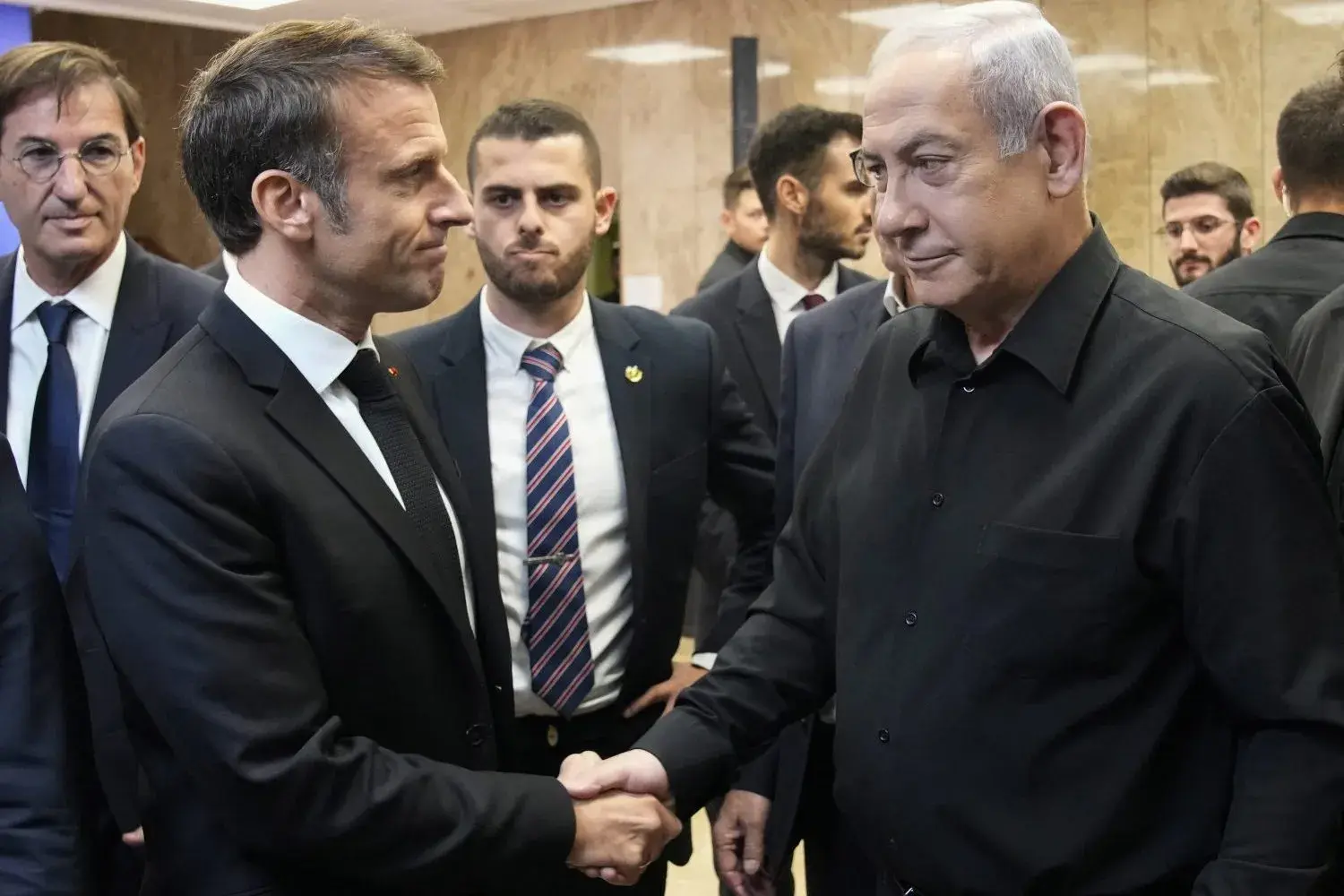
How Europe’s Diplomatic Style Differs from Washington’s
When Washington steps back from active diplomacy in the Middle East, Europe has historically stepped in to fill the void. This pattern offers a potential pathway for renewed peace efforts as U. S. engagement fluctuates. The continent’s diplomatic tradition and regional ties position it to play a constructive role when American attention wanes.
Europe’s involvement in Middle Eastern peace processes is not new. During periods of reduced U. S. focus, such as in the 1990s and early 2000s, European powers have initiated or supported negotiations. Their approach often emphasizes multilateralism, humanitarian concerns, and long-term stability over immediate strategic gains. This method can complement or sustain U. S.-led initiatives when they pause.
Can Europe Act Without U. S. Backing?
European diplomacy tends to prioritize dialogue with all parties, including groups labeled as extremists by the U. S. This inclusive approach aims to address root causes of conflict rather than solely focusing on security guarantees. European nations also leverage economic incentives and development aid as tools for peacebuilding, creating conditions where political agreements can take hold. Their perceived neutrality, especially compared to the U. S.’s close ties with certain regional actors, can make them acceptable brokers in sensitive talks.
While Europe lacks the military and intelligence reach of the United States, it holds significant soft power through trade relationships, aid programs, and membership in international institutions. Successful mediation would require coordination among EU member states to present a unified front, which has historically been challenging. However, shared interests in preventing regional instability, managing migration flows, and countering extremism provide strong motivation for collective action. The credibility of any European initiative would depend on consistent policy and the ability to offer tangible benefits to all sides.
What specific role could Europe play in reviving peace talks? Europe could facilitate backchannel discussions, fund confidence-building measures, and promote regional cooperation on issues like water sharing and economic development, leveraging its humanitarian and development expertise.
Frequently Asked Questions
Why has Europe been effective when the U. S. disengages? European powers often maintain open lines of communication with a broader range of regional actors and are seen as less driven by immediate strategic interests, allowing them to pursue dialogue even when direct U. S. involvement is limited.
What limits Europe’s ability to lead peace efforts? Divergent national interests among EU countries, limited leverage compared to U. S. military aid, and the absence of a unified foreign policy can hinder swift, decisive action, requiring prolonged consensus-building.