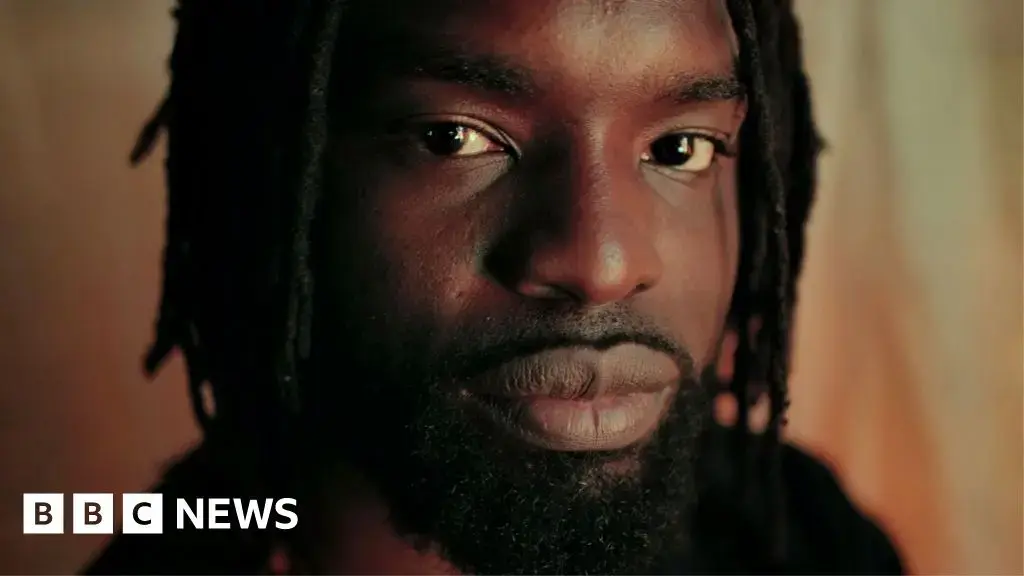
A Personal Journey into History
Filmmaker Meji Alabi has directed a significant documentary for BBC Africa Eye, focusing on his grandfather's experiences during Nigeria's Biafran War. This conflict, which lasted from 1967 to 1970, had a profound impact on the nation and its people. Alabi seeks to shed light on his family's history while addressing broader themes of war and identity.
The Biafran War was a devastating civil conflict that arose from ethnic tensions and economic disparities in Nigeria. Alabi's grandfather, a prominent figure during this tumultuous time, played a crucial role in the events that unfolded. Through interviews and archival footage, Alabi aims to provide a personal perspective on the war's impact on individuals and families. He believes that storytelling can bridge the gap between past and present, offering insights into the ongoing struggles faced by Nigeria today.
Alabi's documentary is not just a historical account; it is also a personal exploration of his heritage. He reflects on how his grandfather's experiences shaped his family's identity and values. Alabi's filmmaking style emphasizes emotional resonance, aiming to connect viewers with the human side of historical events. „Understanding where we come from is essential to knowing who we are,” he states, highlighting the importance of personal narratives in understanding collective trauma.
What Can We Learn from the Biafran War?
The documentary features interviews with historians, survivors, and family members, providing a multifaceted view of the war's legacy. Alabi's approach invites viewers to reflect on the complexities of Nigerian history, encouraging a dialogue about reconciliation and healing. The film is a reminder of the enduring effects of conflict on communities and the importance of preserving memories.
As Alabi delves into his grandfather's past, he raises questions about the lessons learned from the Biafran War. The conflict resulted in significant loss of life and displacement, leaving scars that linger in Nigerian society. Alabi hopes that by sharing these stories, he can foster a greater understanding of the need for unity and peace in Nigeria.
The documentary also addresses the ongoing challenges faced by Nigeria, including ethnic tensions and political instability. Alabi emphasizes that acknowledging the past is crucial for moving forward. He believes that by confronting historical injustices, society can work toward a more inclusive future.
In conclusion, Meji Alabi's documentary serves as a powerful exploration of the Biafran War through the lens of personal history. By connecting his grandfather's experiences to contemporary issues, Alabi encourages viewers to reflect on the past's relevance to today's challenges. This film is not just about remembering history; it's about shaping a better future.
Frequently Asked Questions
What is the Biafran War? The Biafran War was a civil conflict in Nigeria from 1967 to 1970, primarily driven by ethnic and economic tensions, resulting in significant casualties and humanitarian crises.
Why is Alabi's documentary important? Alabi's documentary highlights personal stories from the Biafran War, emphasizing the importance of understanding history to address current societal issues in Nigeria.
How does the film approach the topic of reconciliation? The film encourages dialogue about the past and emphasizes the need for unity and healing in Nigerian society, aiming to foster a deeper understanding of the ongoing challenges faced by the nation.