US Sanctions Escalate Tensions
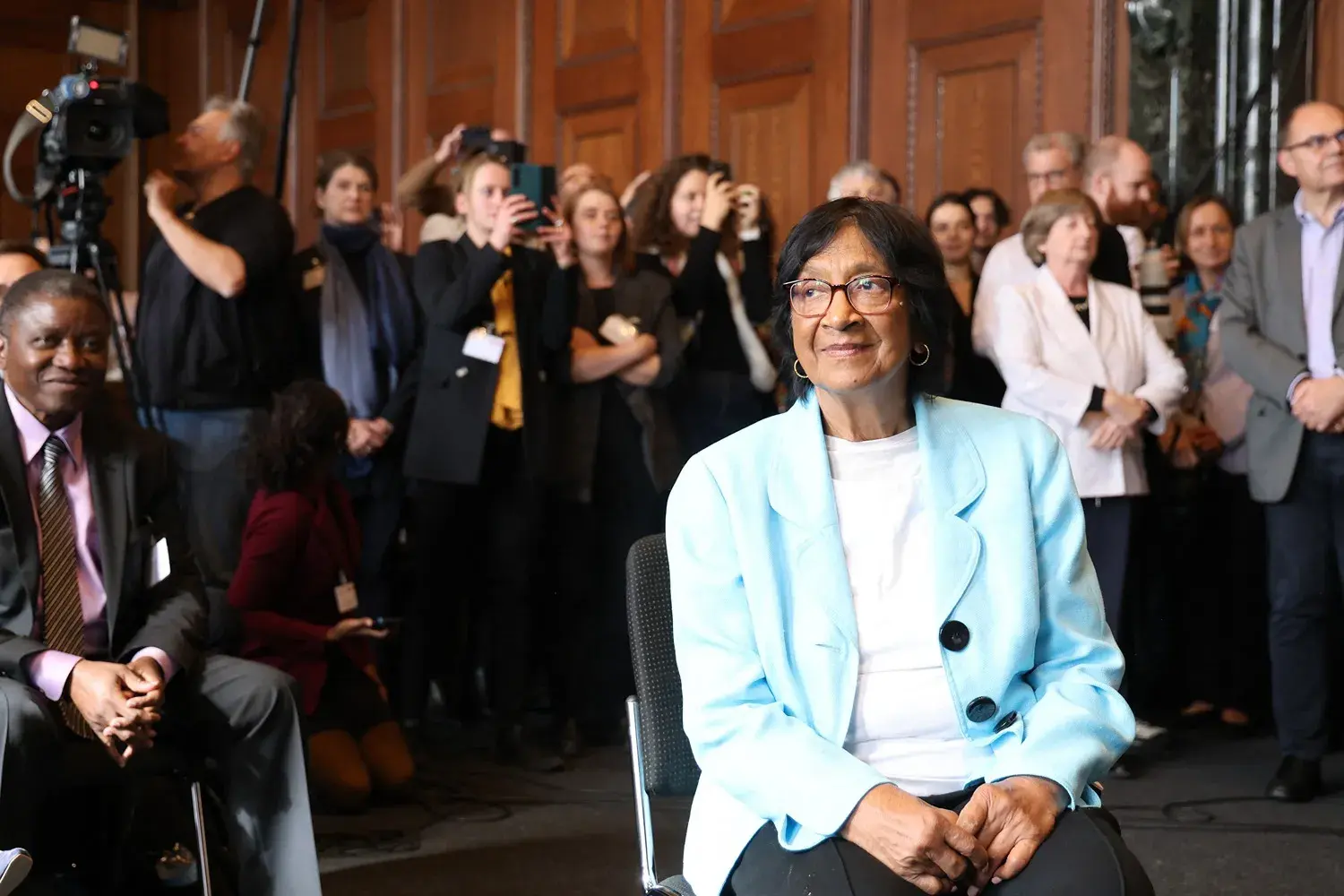
The Nobel Peace Prize has been awarded to a former judge of the International Criminal Court. This recognition highlights the ongoing struggle for global justice. The award comes amidst significant political tension. The United States has reacted strongly to the court's activities. New sanctions have been imposed on the international body. These measures aim to pressure the institution. The conflict underscores deep divisions in international law.
The decision marks a pivotal moment for the ICC. The court has faced increasing scrutiny from major powers. Its mandate to prosecute war crimes is controversial. Some nations view it as an infringement on sovereignty. Others see it as a vital tool for accountability. The prize winner served as a key figure in the court. Their work focused on holding perpetrators accountable. This recognition elevates the profile of international justice. It signals support for independent legal mechanisms.
The United States government responded to the court's operations with new sanctions. These financial penalties target the organization directly. The move is part of a broader strategy. Washington seeks to limit the court's reach. Officials cite concerns over jurisdiction. They argue the court oversteps its authority. This stance has alienated many allies. The ICC continues to operate under pressure. Funding remains a critical issue. The sanctions could hinder ongoing investigations.
How Will This Affect Global Justice?
The court has faced legal challenges for years. Several countries have withdrawn or refused to join. The US has been a prominent critic. It has blocked the court's work in specific cases. The new sanctions represent an escalation. They target assets and financial flows. This creates operational difficulties for the ICC. Staff members may face travel restrictions. The organization must adapt to these constraints. Legal experts warn of long-term effects. The integrity of the court is at stake.
The Nobel award provides a moral boost. It validates the court's mission in the eyes of many. However, political realities remain complex. The US stance does not appear to be changing. Diplomatic efforts are underway to resolve the conflict. These talks have so far yielded limited results. The court relies on member state cooperation. Without it, enforcement becomes difficult. The prize winner's acceptance speech emphasized resilience. They called for unity in pursuing justice. This message resonated with supporters worldwide.
Frequently Asked Questions
The situation highlights the fragility of international institutions. Power dynamics often override legal norms. The ICC must navigate these challenges carefully. Its future depends on sustained political support. The Nobel prize may help attract new allies. It could also galvanize public opinion. However, immediate threats persist. Sanctions continue to strain resources. The court must prioritize its most critical cases. Efficiency is now more important than ever.
Who received the Nobel Peace Prize? A former judge of the International Criminal Court received the award. The prize recognizes their contribution to global justice. It highlights the importance of independent legal systems.
Why did the US impose sanctions? The US imposed sanctions to pressure the ICC. Officials claim the court oversteps its jurisdiction. This is part of a broader policy stance.