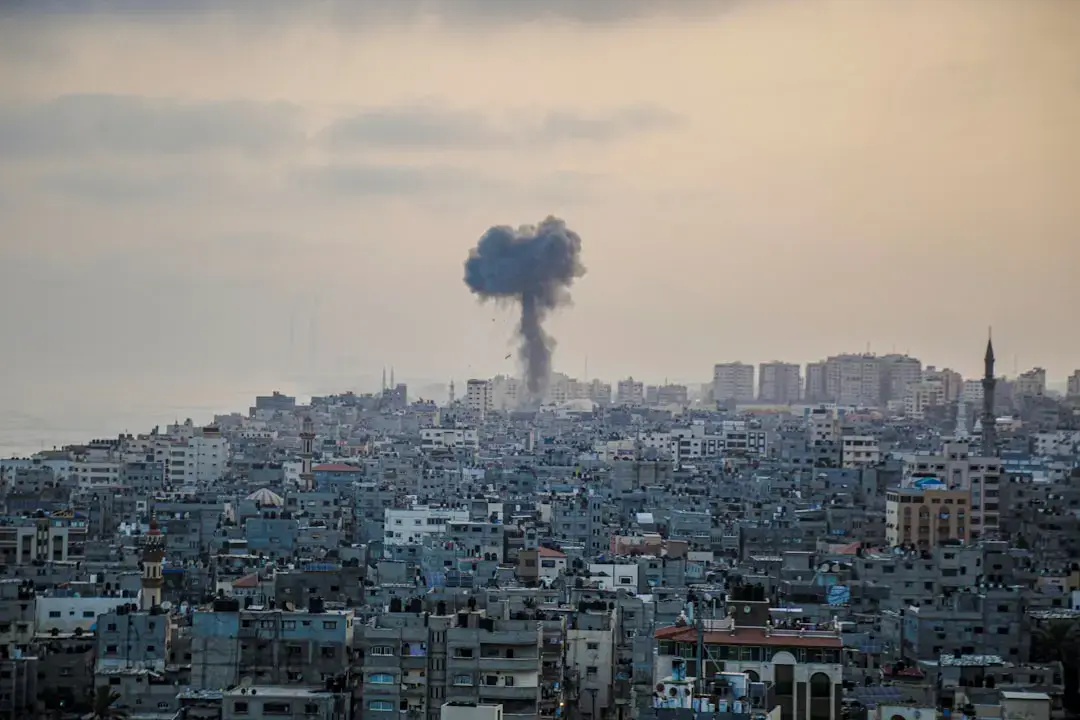
From Territorial Dispute to Humanitarian Crisis
The Israeli assault on Gaza began in early October 2023, unleashing a campaign that has killed more than 73,000 Palestinians. International observers now label the devastation a genocide, marking a stark departure from previous confrontations. The scale of loss has turned the long‑standing Palestinian question into a pressing Israeli dilemma.
The onslaught followed Israel’s decision to intensify air and ground operations after Hamas rockets struck Israeli cities. Critics argue the response exceeded legitimate self‑defence, targeting densely populated neighborhoods and essential infrastructure. The resulting humanitarian disaster has drawn worldwide condemnation and forced governments to reassess their diplomatic ties with Israel.
The conflict once framed as a territorial dispute has morphed into a humanitarian emergency. Gaza’s health system collapsed under the weight of casualties, leaving survivors without basic medical care. Food, water, and electricity supplies have been intermittently cut, deepening civilian suffering. International aid agencies report that the death toll continues to rise, with many victims unidentified due to the scale of destruction.
Has the Gaza Catastrophe Redefined Israel’s International Standing?
The shift has also altered public perception inside Israel. While some citizens still view the operation as a necessary security measure, a growing segment questions the moral cost of such extensive force. Protests have emerged in major Israeli cities, demanding accountability and an end to civilian targeting. This internal debate signals a broader change in how the conflict is understood both locally and abroad.
Diplomatically, Israel faces heightened scrutiny from allies and adversaries alike. Several European nations have called for independent investigations into alleged war crimes, while the United Nations has convened emergency sessions to address the crisis. The United States, traditionally a staunch supporter of Israel, has encountered domestic pressure to temper its backing.
Economically, the conflict threatens foreign investment and tourism, sectors vital to Israel’s growth. Companies weighing supply‑chain risks are reconsidering partnerships, fearing reputational damage. Moreover, the prolonged humanitarian fallout may invite sanctions or trade restrictions from blocs that prioritize human‑rights standards. These pressures could reshape Israel’s strategic calculations in the near term.
The long‑term consequences remain uncertain. If the death toll continues to climb, calls for accountability may intensify, potentially leading to legal challenges in international courts. Conversely, a swift ceasefire could mitigate some diplomatic fallout but would leave deep scars across Gaza’s population. The world watches as the tragedy forces a reassessment of the Israeli‑Palestinian dynamic, with Israel’s moral credibility now at the forefront of the debate.
Frequently Asked Questions
What defines the term „genocide” in the Gaza context? Experts cite intent to destroy, in whole or part, a protected group. The scale of civilian deaths and systematic targeting of essential services meet several criteria used by scholars and legal bodies.
How many Palestinians have been reported dead since October 2023? International monitors and local health officials estimate the death toll exceeds 73,000, though exact numbers remain difficult to verify amid ongoing destruction.
Will the international community impose sanctions on Israel? While no formal sanctions have been enacted yet, several countries are debating measures ranging from arms export controls to diplomatic censure, reflecting growing concern over the humanitarian impact.