Supply Chain Bottlenecks and Geopolitical Strains
The world’s diesel supply has hit a critical turning point, with shortages spreading across continents. Major producers are struggling to meet demand, and consumers are feeling the pinch. The crisis began in late 2023 and is now affecting Europe, Asia, and the Americas.
The shortage stems from a combination of supply chain disruptions, geopolitical tensions, and a surge in demand. Oil refineries have faced shutdowns due to maintenance and unexpected outages. Meanwhile, the war in Ukraine has cut off key shipping routes, limiting the flow of crude oil to European refineries. The result is a dramatic rise in diesel prices and a scramble for limited inventory.
Consumer Impact and Market Response
Refineries across Europe have been forced to reduce output because of maintenance schedules and safety concerns. Several plants in Germany and the Netherlands have temporarily shut down, cutting the region’s diesel production by 15%. In addition, the conflict in Ukraine has disrupted shipping lanes that carry crude oil from the Caspian Sea and the Black Sea to European ports. Ships are delayed, and some have been rerouted to safer but longer routes, increasing transportation costs.
The United States has also felt the impact. A major refinery in Texas experienced a fire that forced it offline for weeks. The resulting drop in domestic production has pushed U. S. diesel prices to their highest level in over a decade. Analysts say that if the refinery remains offline, the supply shortfall could last until the end of the year.
What Will It Take to Restore Balance?
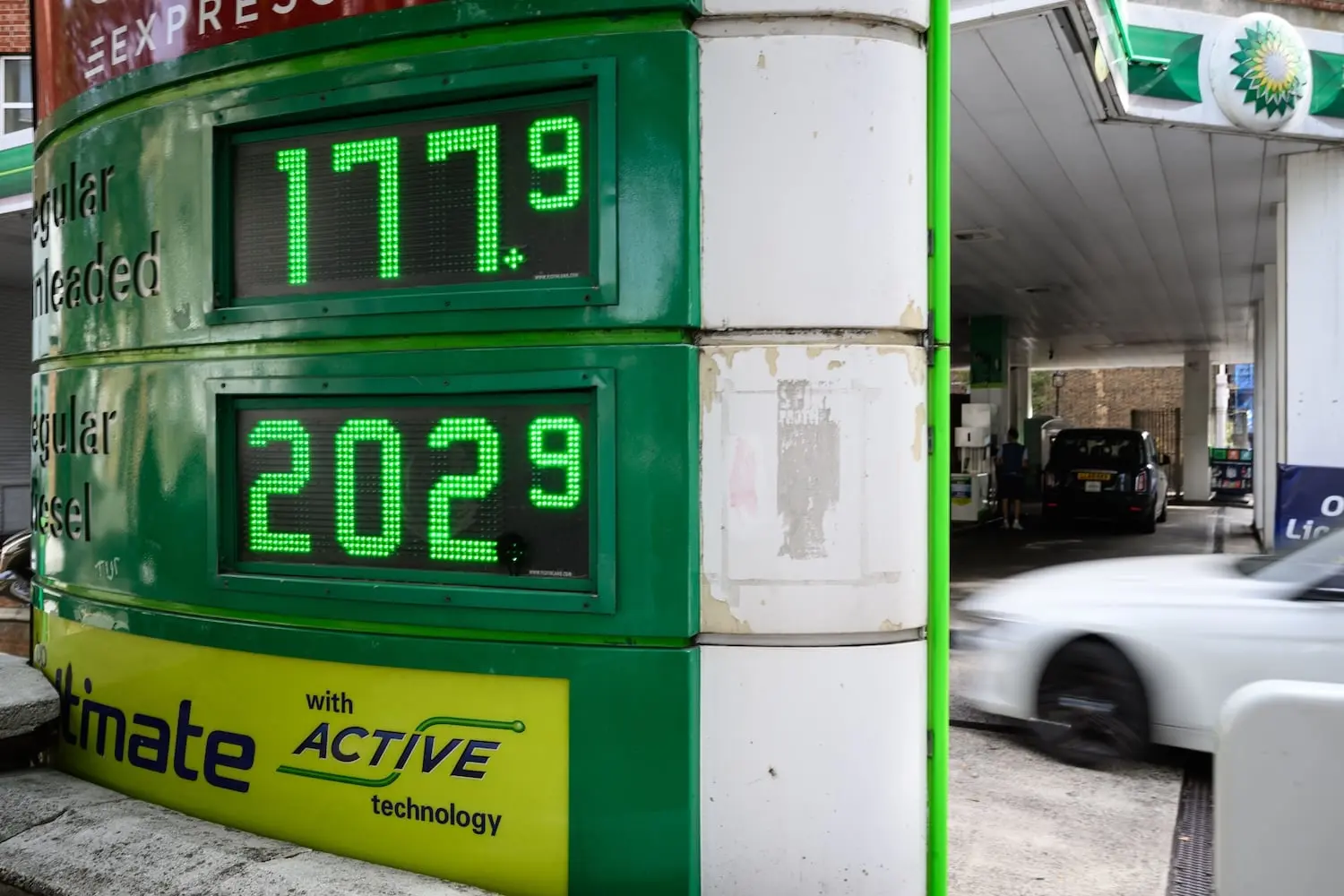
Consumers are noticing the effects at the pump. Diesel prices in Germany have risen by 30% since the first quarter of 2024, while in the United States, prices have climbed 20% in the same period. Truck drivers and logistics companies are scrambling for fuel, often paying a premium to secure diesel.
Governments are stepping in. The European Union has announced a temporary fuel reserve release, and the U. S. Department of Energy has authorized the release of emergency diesel stocks. However, these measures only provide short-term relief. Industry experts warn that the underlying supply issues will persist until refineries can fully resume production and shipping lanes stabilize.
Frequently Asked Questions
The key to resolving the crisis lies in two areas: restoring refinery capacity and securing shipping routes. Refineries need to complete maintenance and upgrade safety systems to avoid future shutdowns. At the same time, international cooperation is required to ensure safe passage of crude oil through contested waters.
Experts predict that if these steps are taken, diesel supplies could stabilize by mid‑2025. Until then, prices are likely to stay volatile, and consumers will continue to feel the strain.