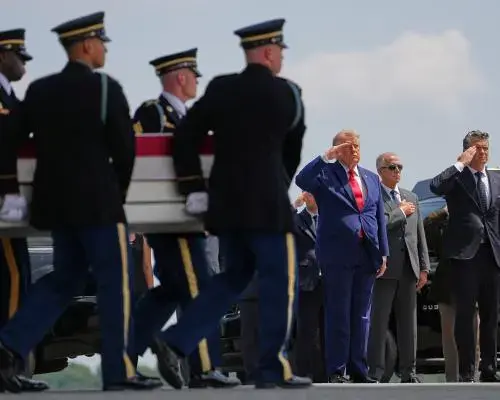
Is the Focus on Trump Distracting from Deeper Issues?
Tensions are escalating between the US and Iran, with the US having killed top Iranian military commander Qasem Soleimani in a drone strike in January. The crisis has been unfolding for months, with both sides trading blame and accusations. The situation is complex, with deep-rooted historical and regional factors at play.
Criticism of Donald Trump's recklessness is warranted, but focusing solely on him risks oversimplifying the problem. America's current predicament is not solely the result of Trump's actions, but rather a culmination of long-standing structural issues. The article by Simon Tisdall implies that Trump is the primary cause of the crisis, but this perspective overlooks the complexities of the situation.
Can a Personalised Approach Prevent War?
By concentrating on Trump's flaws, there is a risk that the underlying causes of the conflict will be neglected, potentially leading to war. A more nuanced understanding of the crisis is necessary to prevent further escalation. The situation demands a comprehensive analysis of the regional dynamics and the role of other actors involved.
Frequently Asked Questions
The consequences of a full-blown conflict between the US and Iran would be catastrophic, with far-reaching implications for the region and the world. A more measured approach is necessary to avoid such an outcome.
What is the main cause of the US-Iran crisis? The crisis is the result of a combination of historical, regional, and structural factors, not solely the actions of one individual. The situation is complex and multifaceted. Is Trump's role significant in the crisis? Yes, Trump's actions have contributed to the escalation of tensions, but they are not the only factor at play. What are the potential consequences of war? A conflict between the US and Iran would have severe and far-reaching consequences for the region and the world.