The Nation Mourns a Long‑Standing Leader
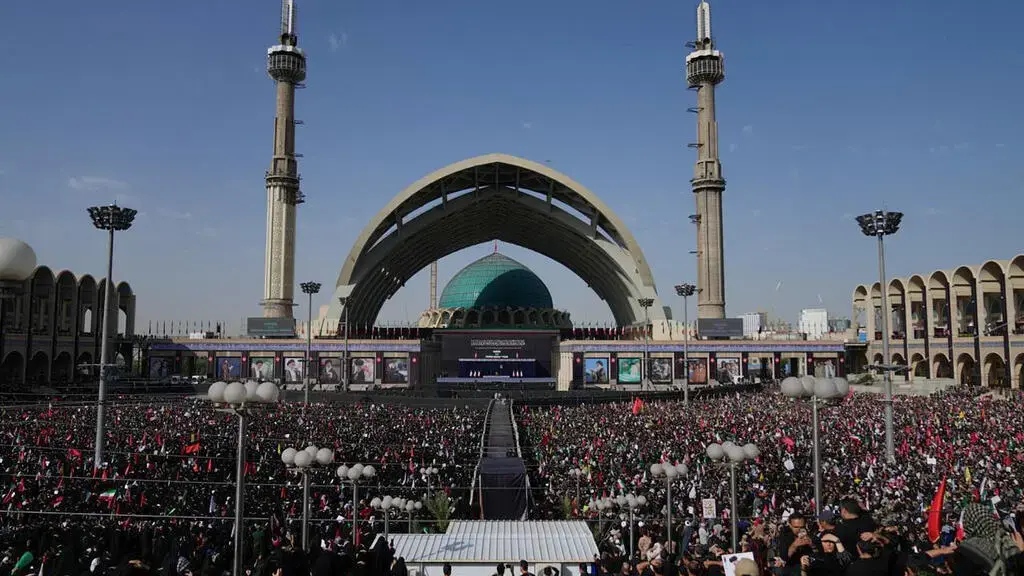
Tehran began a multi‑day mourning ceremony on Saturday for Ayatollah Ali Khamenei, Iran’s 86‑year‑old Supreme Leader. The former ruler was killed in an air strike that marked the opening of the US‑Israeli conflict with Iran. Authorities displayed his coffin, prompting tears from gathered mourners.
Khamenei’s death came as the United States and Israel launched coordinated strikes against Iranian targets, escalating a long‑standing regional rivalry. The Supreme Leader had steered Iran’s domestic and foreign policy for decades, and his removal creates a power vacuum at a critical juncture. Iranian officials framed the funeral as a tribute to his „steadfast guidance” and a call for national unity amid external pressure.
Crowds gathered outside Tehran’s Imam Khomeini Mosque, waving black flags and chanting prayers. When officials unveiled the sealed casket, many onlookers broke into sobs, reflecting both personal grief and political uncertainty. State television broadcast the ceremony live, emphasizing Khamenei’s role as a „guardian of the revolution” and highlighting his contributions to Iran’s nuclear program and regional alliances. Religious clerics delivered eulogies that praised his devotion to Islamic principles while urging citizens to remain resilient against foreign aggression.
How Will Khamenei’s Death Shape Iran’s Foreign Policy?
The funeral procession will move through key city squares, allowing thousands to pay respects. Security forces have been deployed to manage crowds and prevent disruptions. Iranian media reported that the mourning period will last several days, giving families and officials time to honor the deceased leader’s legacy. International observers noted the solemn atmosphere, contrasting with the heightened military activity surrounding the region.
Analysts predict that the leadership transition could alter Tehran’s diplomatic posture. Some factions may push for a more conciliatory approach toward the United States, hoping to ease sanctions and revive the economy. Others, particularly hard‑line elements within the Revolutionary Guard, may advocate for continued resistance and retaliation against perceived enemies. The upcoming selection of a new Supreme Leader will likely involve the Assembly of Experts, whose decision could signal the country’s future strategic direction.
The immediate aftermath may see a temporary slowdown in Iran’s regional engagements as internal debates unfold. However, rival powers could exploit the perceived instability, heightening the risk of further confrontations. Observers stress that the new leader’s stance on nuclear negotiations and regional proxies will be pivotal in shaping the Middle East’s security landscape.
Frequently Asked Questions
What caused Ayatollah Khamenei’s death? He was killed in an air strike that marked the start of the US‑Israeli war against Iran, according to Iranian officials.
How long will the funeral last? The mourning ceremony is scheduled to span several days, allowing the public and officials to pay respects and conduct rites.
Who will choose Iran’s next Supreme Leader? The Assembly of Experts, a council of senior clerics, is tasked with selecting the successor after Khamenei’s death.