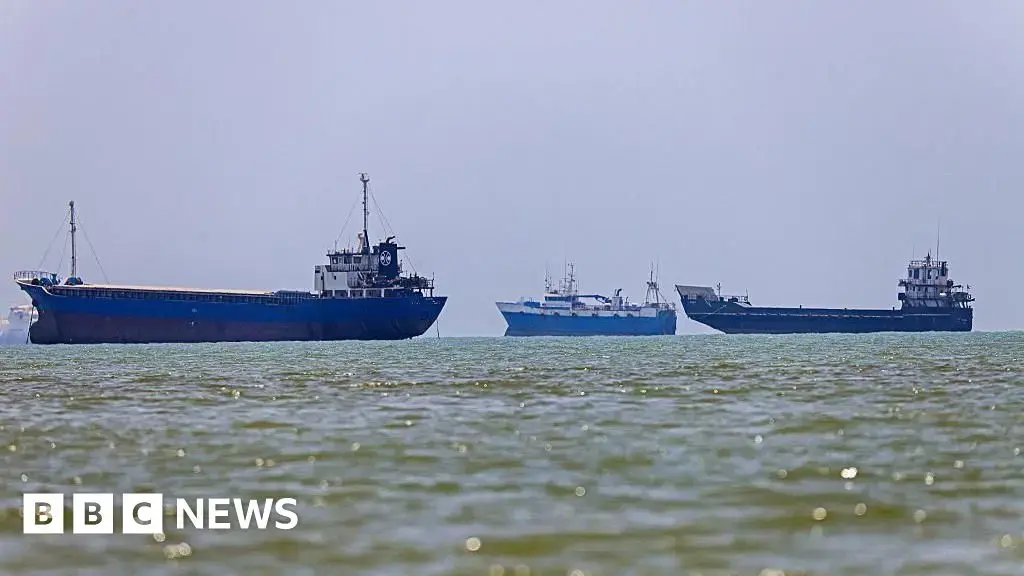
Strait of Hormuz: A Critical Chokepoint
Tensions escalate between Iran and Israel as Tehran warns of shutting down the vital waterway due to Israel's continued aggression in Lebanon. The threat comes amid heightened regional tensions and a fragile agreement between Iran and the US. Iran's stance is seen as a direct response to Israel's actions, which Tehran views as a breach of the understanding.
The Strait of Hormuz is a crucial passage for global oil supplies, with a significant portion of the world's petroleum exports passing through it. Closing the strait would have far-reaching consequences for the global economy, potentially leading to a spike in oil prices. Iran's warning is not an empty threat, given its history of asserting control over the waterway.
Will Iran Follow Through on its Threat?
Experts are divided on whether Iran will actually close the Strait of Hormuz, with some viewing it as a bargaining chip in negotiations with the US and Israel. Others believe that Tehran is resolute in its stance and will take action if Israel continues its attacks on Lebanon. The international community is watching closely, aware of the potential repercussions.
The situation remains volatile, with the potential for further escalation. The global community is urging restraint, but the risk of miscalculation is high.
What is the significance of the Strait of Hormuz? The Strait of Hormuz is a vital waterway through which a substantial portion of the world's oil exports pass, making it a critical chokepoint in global energy supplies.
Frequently Asked Questions
What are the potential consequences of closing the Strait of Hormuz? Closing the strait could lead to a significant increase in oil prices, potentially destabilizing the global economy.
How has Israel responded to Iran's warning? Israel has not publicly responded to Iran's threat, but its continued military actions in Lebanon suggest it remains committed to its current course of action.