Legal Maneuvers Spark National Unrest
Police in Kosovo engaged in physical confrontations with demonstrators on Tuesday. The protests targeted an attempt to restrict the powers of the International Residual Mechanism for Criminal Tribunals. This body handles war crimes cases from the former Yugoslavia. The unrest highlights deep political divisions within the country. Authorities moved swiftly to disperse the crowds in key public areas.
The conflict stems from a proposed legal amendment. This change seeks to limit the jurisdiction of the Hague-based tribunal. Critics argue the move undermines justice for victims of the 1998-1999 conflict. Supporters claim it asserts national sovereignty. The dispute has now become a central issue in domestic politics. It significantly complicates ongoing diplomatic discussions.
The proposed legislation aims to curb the court's ability to prosecute Kosovo nationals. The tribunal currently manages cases transferred from the International Criminal Tribunal for the former Yugoslavia. Kosovo authorities have long debated the scope of this international oversight. Recent parliamentary sessions saw heated debates on the bill. Opposition parties rejected the measure as an affront to international law. They warned it would isolate Kosovo diplomatically.
Will Political Instability Delay Presidential Elections?
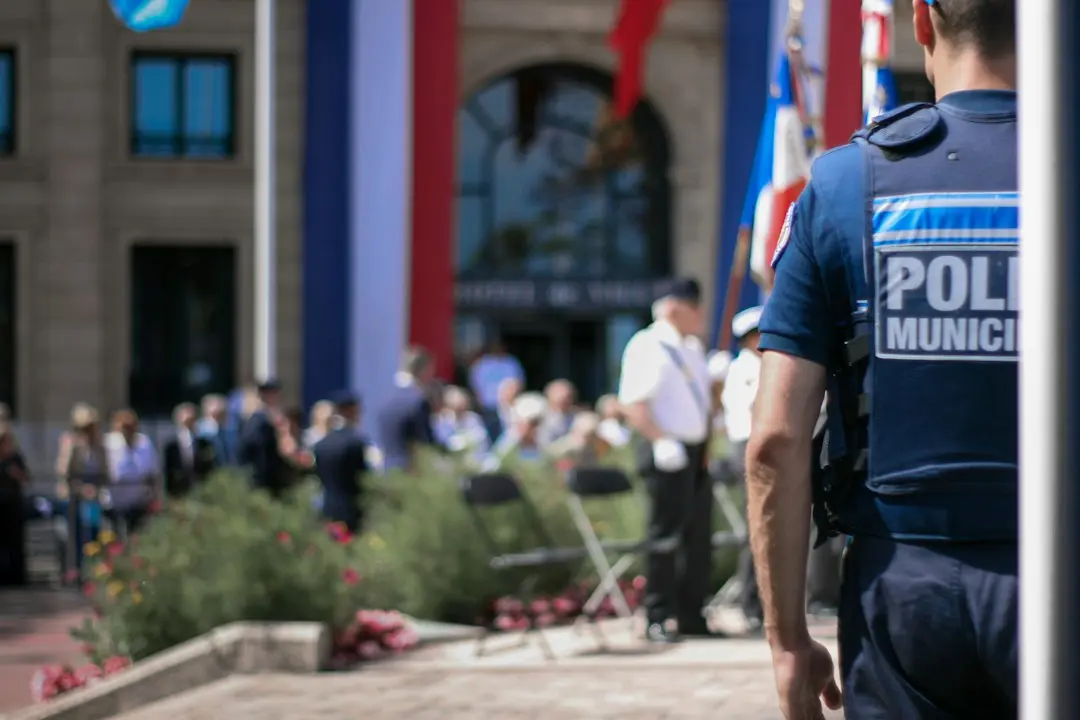
Protesters gathered in Pristina to voice their dissent. They carried signs demanding full cooperation with international justice. Some demonstrators chanted slogans against the government's capitulation to external pressure. Police used crowd control tactics to manage the situation. Reports indicated minor injuries on both sides. The incident marked one of the largest protests in recent months.
The legal battle has directly impacted the timeline for new presidential elections. Negotiations between political factions have stalled due to this controversy. The war crimes court issue serves as a sticking point in coalition talks. Parties refuse to agree on a candidate while this dispute remains unresolved. Diplomatic envoys are urging a swift resolution. They fear prolonged instability could hinder Kosovo's path toward EU integration.
Frequently Asked Questions
International observers have expressed concern over the developments. They emphasize the importance of upholding the rule of law. The Hague tribunal remains operational and continues its work. However, domestic resistance poses a significant challenge to its mandate. Political leaders face pressure from both local and international stakeholders. Balancing national interests with international obligations proves difficult.
What is the specific goal of the proposed legal amendment? The bill seeks to limit the jurisdiction of the Hague war crimes court. It aims to restrict the prosecution of Kosovo citizens for past conflicts. This would reduce international oversight over domestic legal matters.
How does this dispute affect the presidential election? The controversy has stalled negotiations between political parties. Leaders cannot agree on a candidate while the court issue remains unresolved. This delay threatens to postpone the scheduled electoral process.