Rising Drone Threats: What Is Driving the Escalation?
The eastern Ukrainian city of Kramatorsk has seen a surge in Russian drone strikes, prompting many residents to abandon their homes. Over the past weeks, the town has endured repeated attacks that have damaged infrastructure and raised fears of further escalation.
Kramatorsk, located near the front line, has become a focal point of the conflict. Russian forces have increased the frequency of drone sorties targeting civilian areas, aiming to disrupt supply lines and demoralise the local population. The attacks have damaged schools, hospitals, and residential buildings, forcing families to seek safety elsewhere.
How Are Civilians Coping? Are They Seeking Shelter or Leaving?
Russian military planners appear to be using drones as a low‑cost, high‑impact tool. By deploying unmanned aircraft, they can strike civilian targets while minimizing risk to their own troops. Analysts suggest that the increased drone activity is part of a broader strategy to pressure Ukraine into negotiating or to weaken its defensive posture. The drones are capable of carrying small explosives and can be launched from concealed positions, making them difficult to intercept.
Residents report that the strikes come in waves, often at night, and that the noise and debris cause widespread panic. Local officials have warned that the drones can hit critical infrastructure, including power grids and water treatment plants, potentially crippling the city’s basic services. The psychological toll on the population is significant, with many expressing fear for their families and livelihoods.
What Does This Mean for the Future of Kramatorsk?
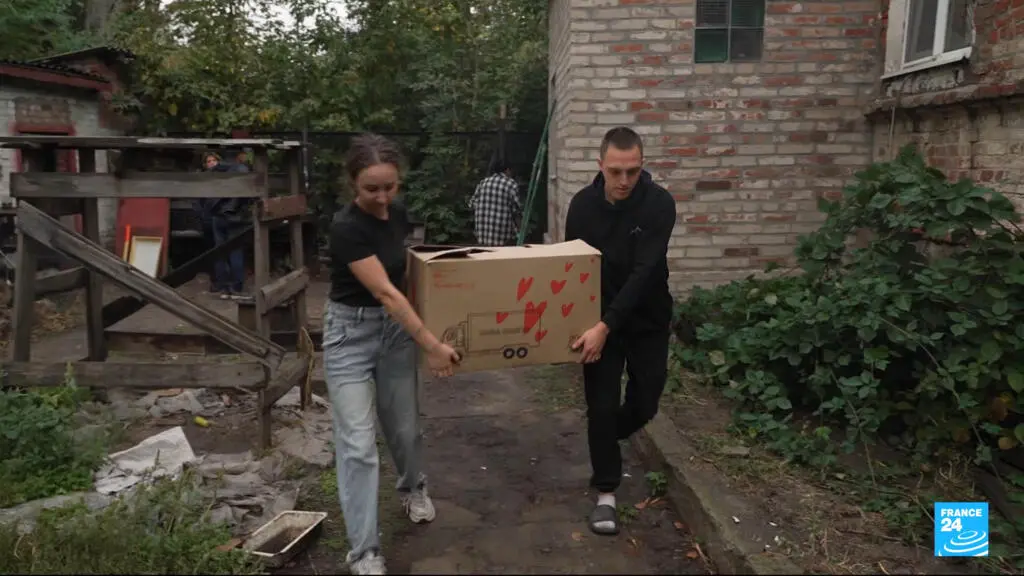
Many families have begun to evacuate to safer regions, such as neighboring towns or rural areas farther from the front line. Some have taken refuge in underground shelters, while others have moved into temporary camps set up by humanitarian groups. The exodus has strained resources in host communities, leading to shortages of food, medicine, and housing.
Local aid workers report that the displaced are struggling to access essential services. „There is a lack of coordination,” says a relief coordinator. „People are moving in waves, and the infrastructure in the receiving areas is already stretched thin.” The Ukrainian government has called for international assistance, but logistical challenges and security concerns hamper aid delivery.
Frequently Asked Questions
The continued drone attacks threaten to transform Kramatorsk into a war zone. If the intensity persists, the city could face prolonged displacement of its residents and a breakdown of civil life. The Ukrainian military is reportedly increasing its counter‑drone measures, including deploying radar systems and electronic warfare equipment. However, the effectiveness of these defenses remains uncertain.
International observers warn that the use of drones against civilian targets violates international humanitarian law. They call for stricter enforcement and accountability. Meanwhile, the Ukrainian government is seeking to bolster its air defence and protect critical infrastructure, hoping to reduce the impact on civilians.