How Do New U. S. Monitoring Measures Affect Shipping?
Recent satellite and shipping data show that oil exports from the Middle East have surpassed the volumes recorded before the current conflict. Analysts note that despite heightened security concerns and a new U. S.‑supervised shipping corridor through the Strait of Hormuz, the region’s crude flow remains robust.
The data, released by a leading maritime analytics firm, indicate that tankers traveling the U. S.‑approved route are carrying more than 2.5 million barrels per day. This figure eclipses the 2.3 million barrels per day exported in the same period in 2019, before the escalation of hostilities. The analysis covers shipments from Iran, Iraq, Saudi Arabia, and the UAE, showing a collective increase in throughput.
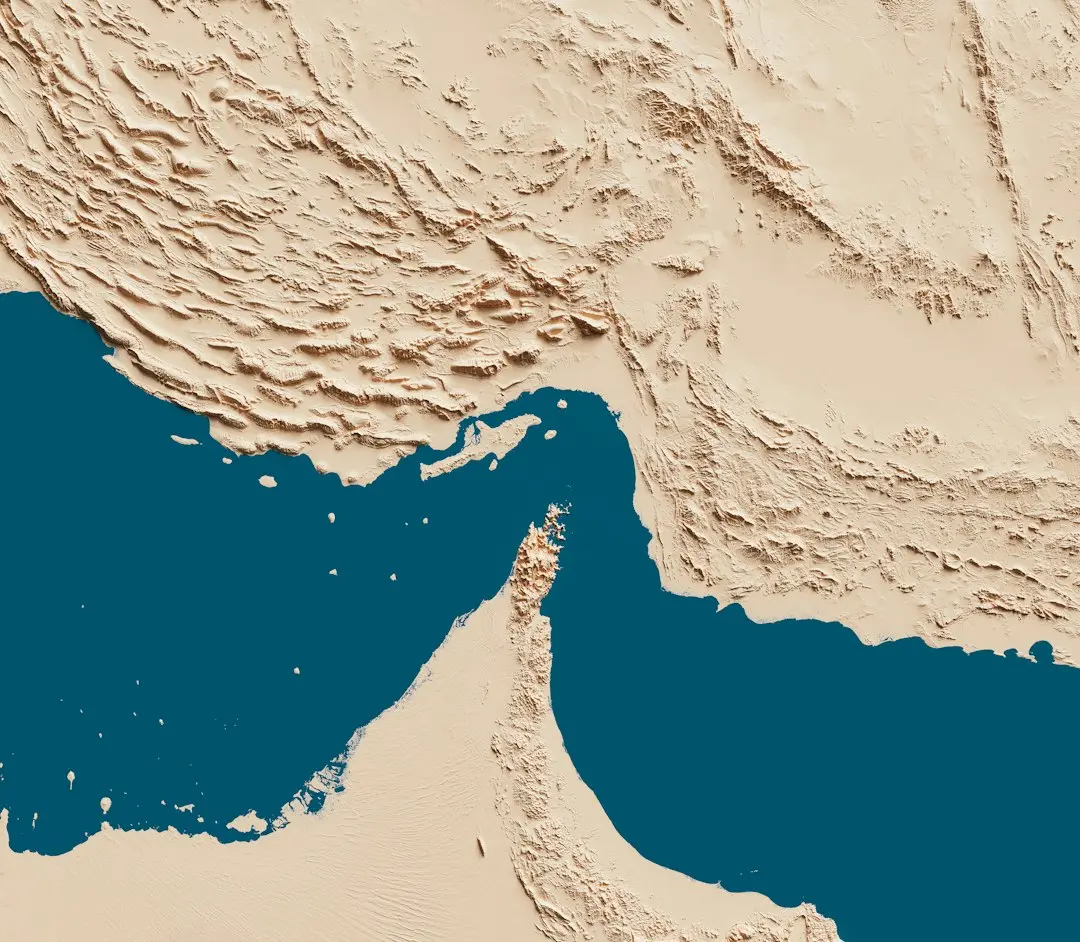
The rise in exports comes at a time when the Strait of Hormuz, a critical chokepoint for global oil transport, has seen a surge in military patrols and diplomatic negotiations. The U. S. has established a new monitoring system that requires vessels to report their positions and cargo details. Despite these measures, the volume of oil passing through the corridor has not diminished. Experts suggest that the stability of supply chains and the resilience of regional producers have offset potential disruptions. The increased output also reflects higher demand in Asian markets, which have been steadily climbing since the pandemic.
Why Are Export Levels Rising Despite Conflict?
The U. S.‑led monitoring initiative was introduced to deter illicit oil transport and ensure compliance with international sanctions. It mandates that ships on the Hormuz route submit real‑time data on their cargo and route. While some critics argue that the system could slow down shipping, the current data show no significant delay in transit times. The monitoring has, in fact, provided greater transparency, allowing international buyers to confirm the origin and quantity of their purchases more reliably.
Iran’s Islamic Revolutionary Guard Corps (IRGC) has dismissed the impact of the new corridor, labeling the flow of oil through the monitored route as „negligible.” However, the data contradict this claim, revealing that the majority of crude entering the global market still passes through the Strait of Hormuz. The IRGC’s statement appears to be a political stance rather than a reflection of actual shipping patterns.
Several factors contribute to the uptick in exports. First, regional producers have ramped up production to compensate for reduced output in other parts of the world. Second, the global price of oil has remained high, incentivizing increased supply. Third, the new monitoring system has not deterred traders, as it primarily serves as a compliance tool rather than a barrier. Finally, the resilience of pipeline infrastructure and the flexibility of shipping routes have allowed producers to maintain steady export flows.
The implications of these trends are significant for global energy markets. A steady supply from the Middle East helps stabilize prices and reduces the risk of supply shocks. Moreover, the continued use of the U. S.‑supervised corridor may encourage other nations to adopt similar monitoring systems, potentially leading to broader industry transparency.
Frequently Asked Questions
What is the new U. S.‑supervised route in the Strait of Hormuz? The route requires ships to report their positions and cargo details in real time, enhancing transparency and compliance with international sanctions.
How does the increase in oil exports affect global prices? Higher export volumes help keep global oil prices stable, reducing volatility caused by supply disruptions.
Will the monitoring system slow down shipping operations? Current data indicate that the monitoring does not significantly affect transit times or shipping efficiency.