A Shift Toward Attrition
Military analysts frequently prioritize annual exercises like Han Kuang or technical procurement lists. Yet, these are merely tools supporting a broader warfighting philosophy. A comprehensive understanding of Taiwan’s defense requires analyzing how Taipei envisions the nature of a potential conflict, the necessary force structure, and the evolution of its training protocols.
Command, Control, and Decentralization
Taipei has abandoned outdated concepts of defeating an enemy on the opposing shore or seeking a single, decisive littoral battle. The focus has shifted toward a strategy of attrition and sustainable operations. To support this, the military has fortified its active-duty troops in the north, creating a layered defensive network. Simultaneously, the Navy has expanded significantly, though this growth remains underappreciated. These advancements highlight the ongoing challenge of achieving true joint-force integration, which remains the critical factor for success.
The Strategic Importance of the North
While experts often praise decentralization, the real key lies in joint coordination. An attrition strategy requires delaying and striking the adversary through successive defensive layers. Decentralization does not imply total autonomy; rather, it ensures operational units can fulfill higher objectives even if command links are severed. Tactically, concentrating forces to impede enemy progress remains essential.
The north is Taiwan’s political heart, housing major command centers and transport hubs. Over one-third of the population resides here, and nearly half of the ROC Army and Navy brigades are permanently stationed north of Miaoli and Yilan. Recent maneuvers show increased flexibility, with units from other regions frequently redeployed to reinforce this sector. Consequently, the volume of active ground troops concentrated in the north can reach nearly two-thirds of the island’s total force.
Operational Realities and Future Challenges
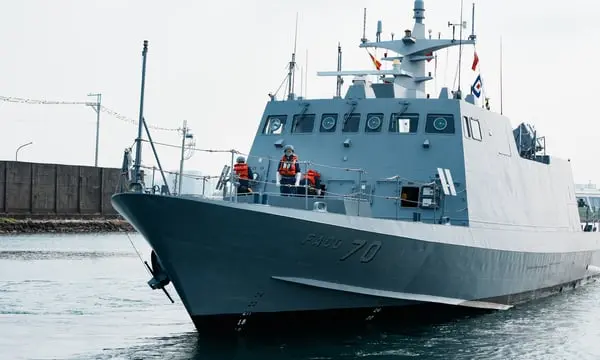
During the 2025 Han Kuang exercises, the 99th Marine Brigade led reinforcement efforts, moving troops from the south to Taoyuan and Taipei. The 2026 edition expanded this, involving the 99th Marine Brigade, the 564th Combined Arms Brigade, and the 586th Combined Arms Brigade in northern deployments. These maneuvers, which lasted nearly a month in 2026, demonstrate a clear focus on sustainable defense. On August 8, 2026, a guided-missile fast attack craft participated in these drills, signaling better fleet integration. While decentralization is a virtue, joint command remains the vital glue holding these strategic pieces together. Ultimately, Taiwan is prioritizing survival through resilience, shifting away from the pursuit of a quick victory toward a model of enduring resistance.