Is NATO's Weakness a New Development?
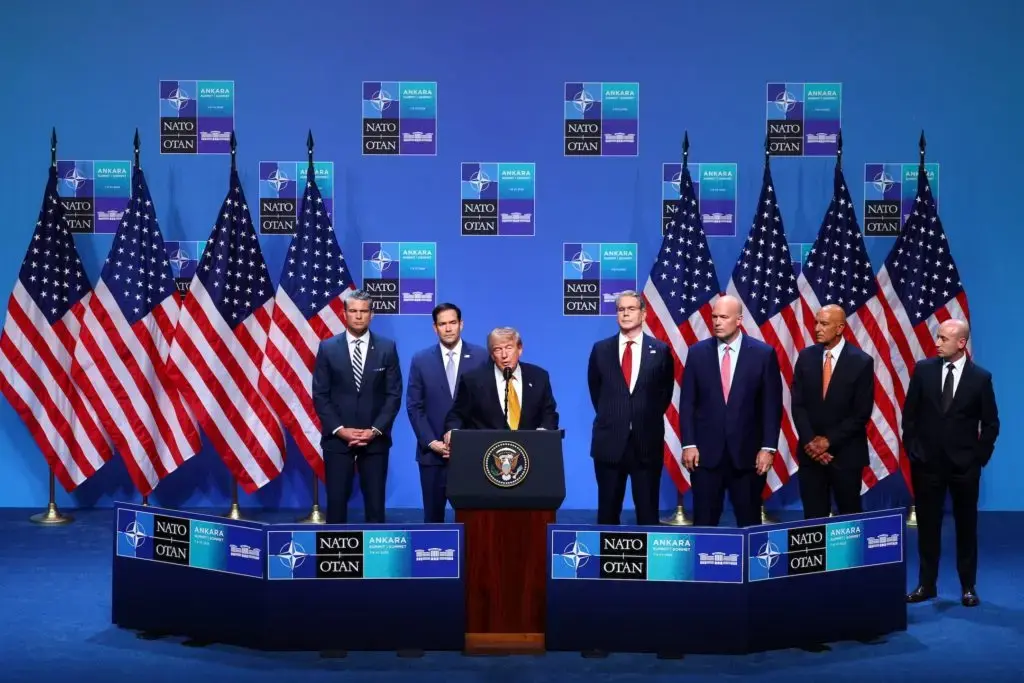
A former ambassador recently offered a candid assessment of NATO's current standing. He suggested the alliance is not in its strongest position. However, he also noted that the situation could be far worse. This analysis comes after a significant summit.
The ambassador's comments highlight ongoing concerns about NATO's unity and effectiveness. Many observers are questioning the alliance's ability to confront emerging global challenges. Internal disagreements have reportedly strained relationships among member states.
The ambassador's observations are not entirely new. For some time, experts have pointed to various pressures on NATO. These include differing national interests and varying levels of commitment to collective defense. The recent summit apparently brought these issues into sharper focus.
What Are the Main Threats to Alliance Cohesion?
Despite these challenges, the alliance continues to function. Its core mission of mutual defense remains intact. Members still engage in joint exercises and strategic planning. This ongoing activity suggests a baseline level of cooperation persists.
Several factors contribute to the perceived fragility of NATO. Disagreements over defense spending are a persistent issue. Member states often fall short of agreed-upon targets. Political shifts in key nations also create uncertainty.
External threats, paradoxically, sometimes strengthen the alliance. However, internal divisions can undermine a unified response. The ambassador implied that while challenges are present, a complete breakdown is not imminent. The alliance has weathered difficult periods before.
The future of NATO hinges on its members' willingness to adapt and recommit. Addressing internal friction will be crucial. A unified front is essential for navigating complex geopolitical landscapes.
Frequently Asked Questions
What was the main takeaway from the ambassador's statement? The former ambassador indicated that NATO is currently facing difficulties but emphasized that its situation could be considerably more dire, suggesting a degree of resilience despite challenges.
What are some of the internal issues facing NATO? Key internal issues include disagreements among member states regarding defense spending commitments and the impact of shifting political priorities within individual nations on overall alliance strategy.
Why did the ambassador suggest the situation could be worse? The ambassador likely implied that despite its current struggles, NATO has avoided a complete collapse or significant fracturing, indicating that its fundamental structure and purpose remain, even if strained.