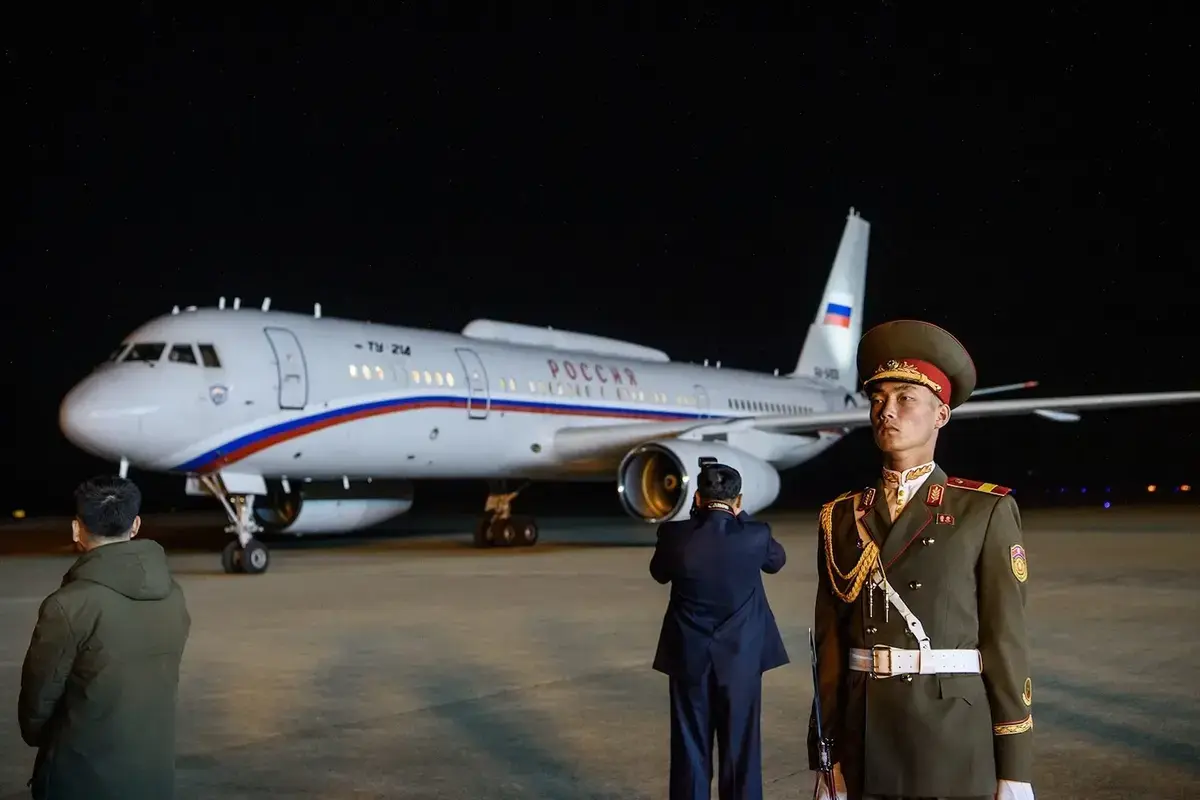
How a Split International Order Undermines Sanctions
A policy aide to South Korea’s National Assembly, ByDonggak Heo, argues that the world’s growing geopolitical split is shielding North Korea from the full impact of nuclear sanctions. He made the remarks during a briefing in Seoul on Tuesday, highlighting how rival blocs dilute coordinated pressure.
Heo explained that competing interests among the United States, China, and Russia create loopholes that Pyongyang can exploit. The lack of a unified front allows North Korea to receive covert aid and maintain its missile programs despite UN resolutions. He noted that „fragmentation is the most valuable asset for the regime,” as it weakens collective enforcement.
The current diplomatic landscape is marked by divergent strategies on security and trade. While Washington pushes for stricter export controls, Beijing prefers engagement to avoid regional instability. Moscow, meanwhile, seeks to leverage North Korea for strategic depth against NATO. This discord means that enforcement mechanisms are uneven, with some countries turning a blind eye to illicit shipments. Analysts observe that the sanctions regime relies on consensus; when that consensus erodes, enforcement gaps widen, allowing North Korean entities to bypass restrictions and fund their weapons development.
Will the West’s Disunity Let Pyongyang Thrive?
Experts warn that continued division could embolden Pyongyang to expand its nuclear arsenal. If major powers cannot agree on a common policy, the regime may interpret the situation as tacit permission to test new missiles. Heo cautioned that „without a coordinated response, the regime’s calculations shift toward aggression rather than restraint.” The risk extends beyond the Korean Peninsula, potentially destabilizing neighboring regions and prompting a new arms race. International stakeholders thus face pressure to reconcile their differences before North Korea capitalizes further.
The fallout of a divided approach could reshape regional security dynamics for years. South Korea may need to adjust its defense posture, while allies grapple with the prospect of a more confident North Korean regime. Restoring a unified sanctions framework appears essential to curtail Pyongyang’s strategic gains and maintain stability in East Asia.
Frequently Asked Questions
Why does a divided world benefit North Korea? Geopolitical fragmentation creates enforcement gaps, allowing the regime to receive aid and continue its nuclear program despite sanctions.
Can the sanctions regime be restored? It requires diplomatic consensus among major powers; renewed dialogue and shared security concerns could rebuild a coordinated approach.
What are the risks if division persists? A more emboldened North Korea may increase missile testing, heighten regional tensions, and trigger an arms buildup among neighboring states.