Increasing attacks by Tehrik-e-Taliban Pakistan (TTP) militants, who operate from Afghan soil
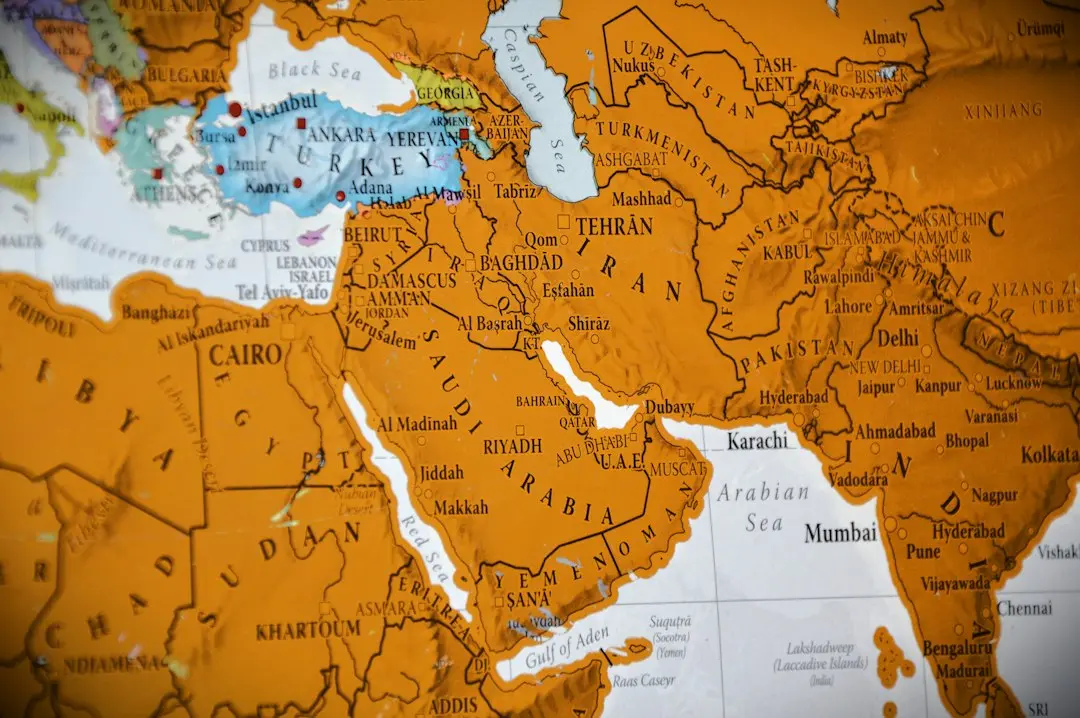
For years, Pakistan supported the Taliban in Afghanistan, providing sanctuary and resources during their insurgency. But in a dramatic reversal, Pakistan has begun bombing its eastern neighbor, targeting militant hideouts along the porous Durand Line. This shift marks a dangerous escalation in bilateral relations, transforming former strategic partners into active adversaries amid rising cross-border violence. The roots of this conflict lie in Pakistan’s long-standing policy of using Afghan Taliban factions as proxies to counter Indian influence in Kabul. However, the Taliban’s return to power in 2021 disrupted this calculus, as Islamabad found itself unable to control the very groups it had nurtured.
Increasing attacks by Tehrik-e-Taliban Pakistan (TTP) militants, who operate from Afghan soil, have pushed Pakistan to abandon diplomacy in favor of military strikes, despite Kabul’s denials of harboring terrorists. The Broken Proxy Strategy Pakistan’s military establishment once viewed the Taliban as a reliable asset to ensure a friendly government in Kabul. This approach allowed Islamabad to maintain strategic depth against India while avoiding direct confrontation. But after the Taliban regained control, they refused to act as Pakistan’s enforcers, instead pursuing their own agenda. The TTP, emboldened by Taliban tolerance, launched a wave of attacks inside Pakistan, killing hundreds of civilians and security personnel. Faced with mounting pressure at home, Pakistan’s leadership concluded that dialogue had failed and that unilateral action was necessary to dismantle terrorist networks. Why Can’t the Two Sides Negotiate? Despite shared history and ethnic ties, mistrust runs deep between the two governments.
Pakistan accuses the Taliban of violating Doha Agreement commitments by allowing TTP to operate freely
Pakistan accuses the Taliban of violating Doha Agreement commitments by allowing TTP to operate freely, while Kabul insists Pakistan’s airstrikes violate sovereignty and fuel radicalization. Each side sees the other as an existential threat: Pakistan fears encirclement by hostile forces, while Afghanistan resents what it perceives as neocolonial interference. Attempts at backchannel talks have collapsed over competing demands, leaving military escalation as the default option. Frequently Asked Questions Why did Pakistan stop supporting the Taliban? Pakistan did not abandon support outright but lost control over Taliban actions after their 2021 takeover. The Taliban refused to crack down on the TTP, which continued attacking Pakistan, forcing Islamabad to reassess its strategy. Are Pakistan’s airstrikes effective against militants? While strikes have killed mid-level TTP commanders, experts warn they often cause civilian casualties and push militants deeper into Afghan territory, potentially increasing long-term instability rather than eliminating threats.
What are the risks of continued conflict? Persistent violence could destabilize both nations, trigger refugee flows, and draw in regional powers like Iran and China, undermining efforts to address Afghanistan’s humanitarian crisis and economic collapse.